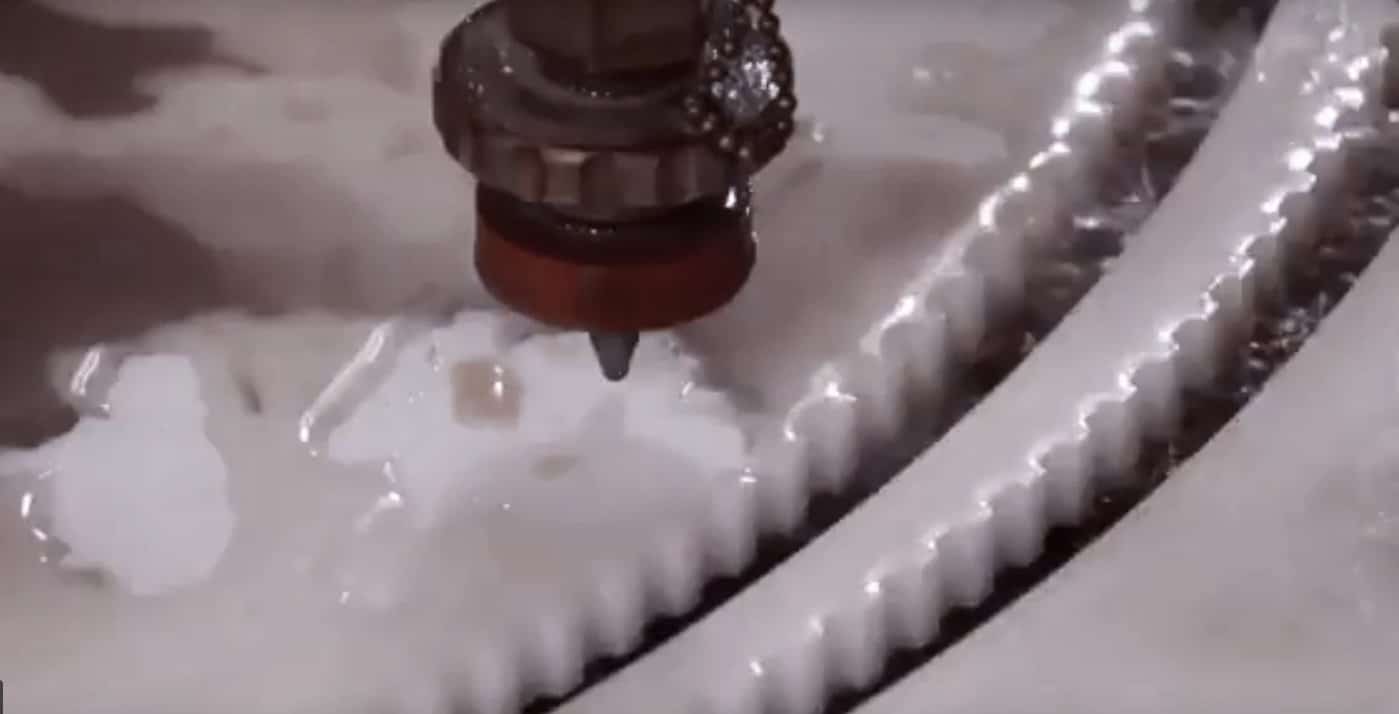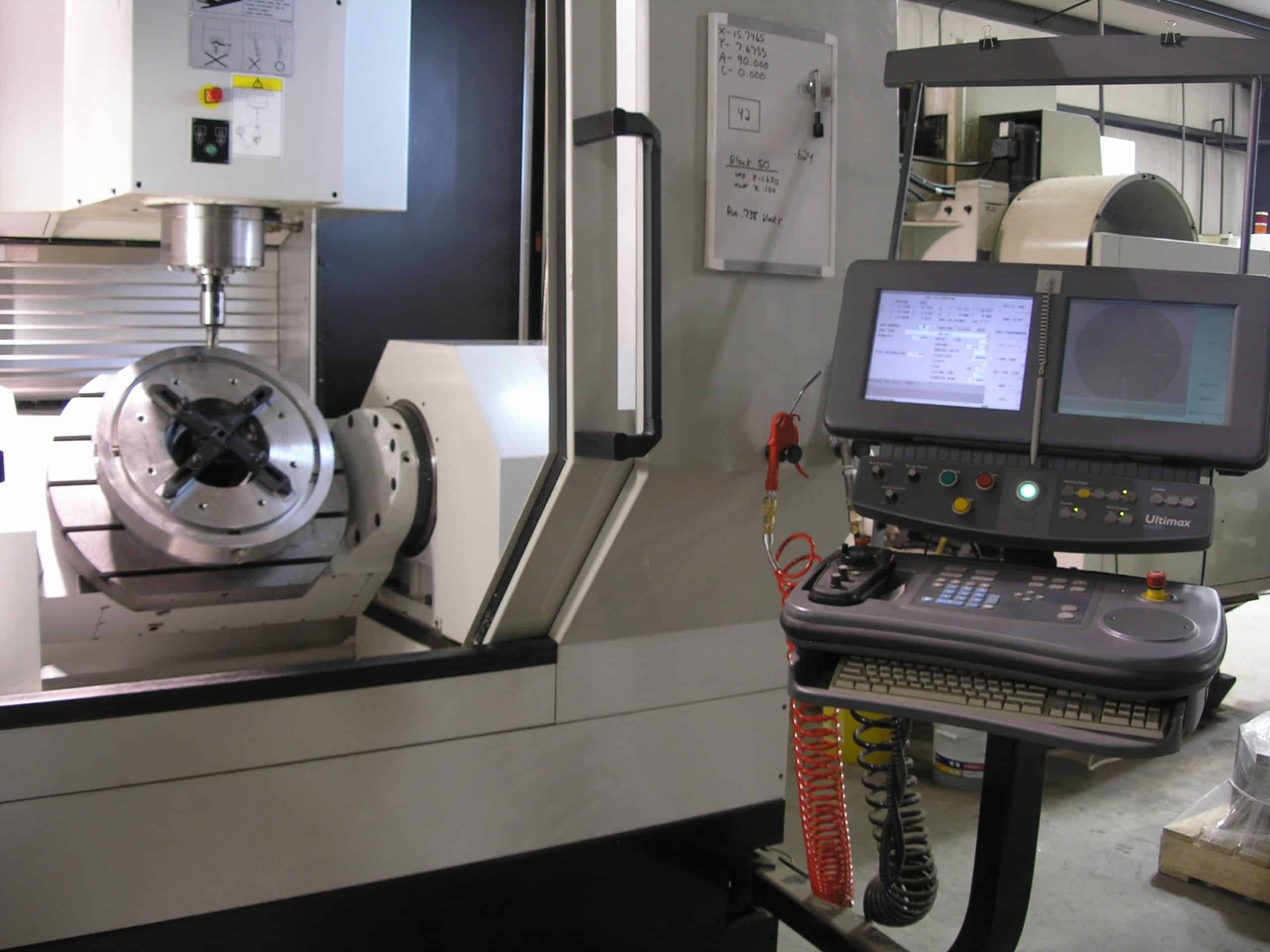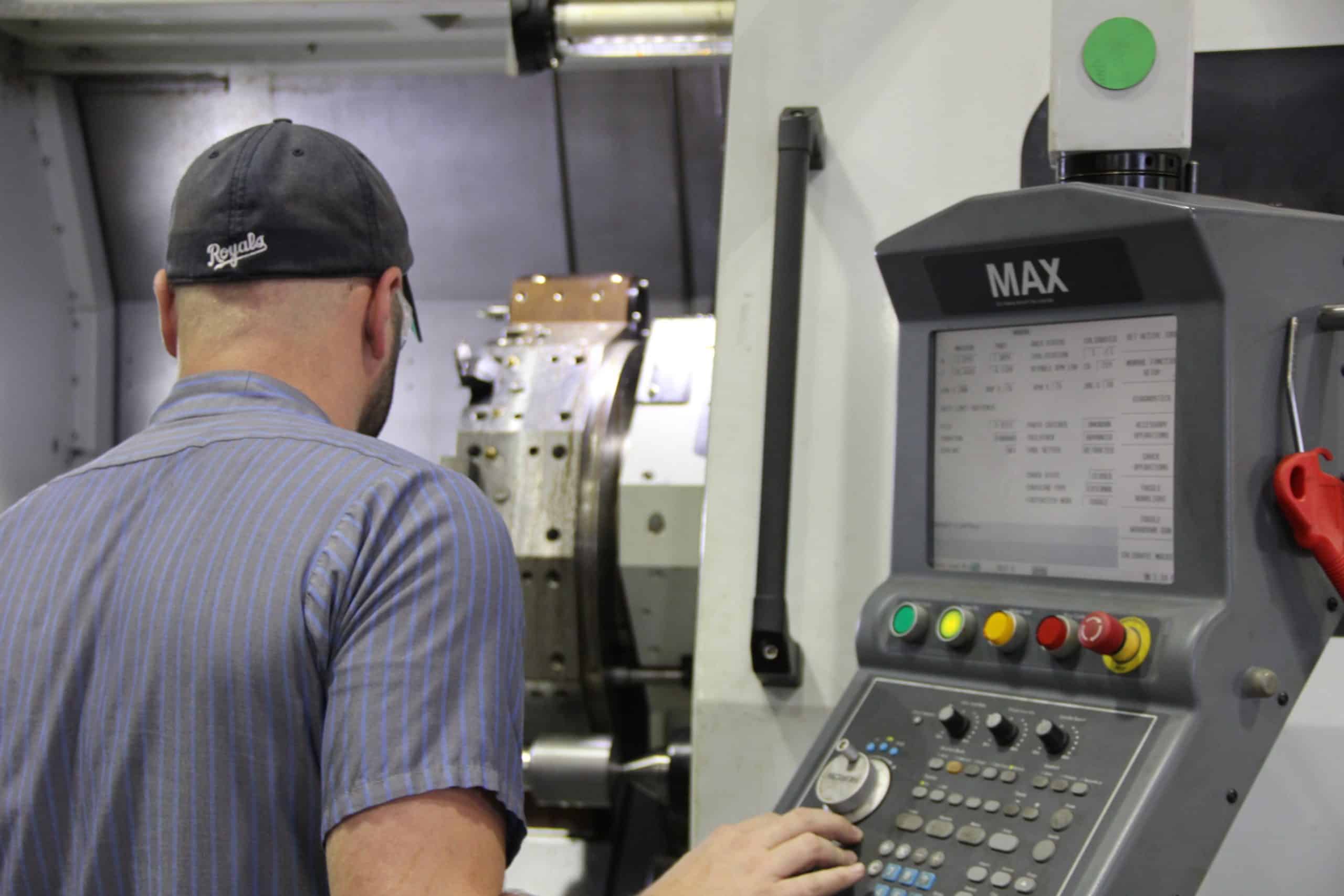
Two of the most common ways to cut sheet and plate for industrial parts are plasma and laser. Both are fast, both are CNC-controlled, and both produce clean parts when they are used on the right work. The trick is knowing which one your part belongs on before the quote goes out. Material thickness, edge quality, material type, tolerance, and total cost drive the plasma vs. laser decision more than any other factors — and the right process for a given part is usually clear once those are on the table. Both processes run on the same floor at Lindsay Machine Works, Inc., alongside waterjet, CNC machining, welding, and inspection, so a part gets matched to the process that fits it. For the full capability picture, our CNC Plasma Cutting page lays out plasma capacity, and our CNC Laser Cutting page lays out laser capacity.
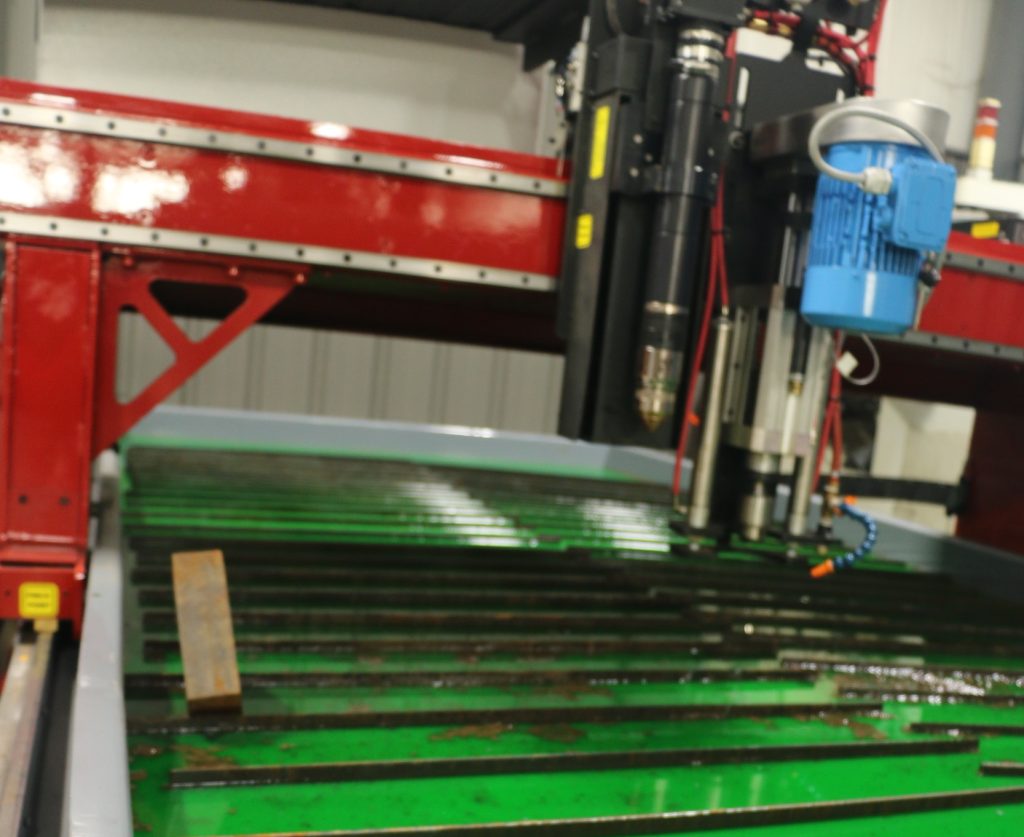
Start With Material Thickness
Thickness is the fastest way to sort a part into one bucket or the other. Everything else is a refinement on that first call.
Thin Material
At thin gauges — thinner sheet, structural gauge, and light plate — laser cutting usually wins. Fiber laser cuts thin material fast, with a narrow kerf, tight tolerances, and an edge quality that most parts can move straight to the next operation without cleanup. That is a huge advantage on high-volume sheet work, thin brackets, enclosures, and blanks that finish on a mill or a press brake.
Plasma will cut thin material too, but the edge quality does not match what a laser can hold, and the heat-affected zone is wider. On thin work, that shows up as extra deburring, extra warpage on delicate parts, and slower total cycle time once the cleanup is counted.
Medium Plate
The middle range — roughly quarter-inch through the upper end of laser capacity — is where the decision starts depending on the part. Laser holds tighter tolerances and cleaner edges. Plasma runs faster and costs less per cut on straight profiles where a rougher edge is acceptable. For structural parts, weldment blanks, and heavier brackets, plasma often wins on cost. For parts headed to a machined fit, painted finish, or visible surface, laser usually wins on edge quality.
Thick Plate
Once plate gets past the top end of the laser’s range, plasma takes over on speed. Plasma cuts thick steel fast and at a reasonable cost per part. The tradeoff is a rough underside edge and a wider heat-affected zone that changes the metallurgy along the cut. For parts where those tradeoffs matter — hardened plate, heat-treated plate, or parts headed to a machined fit — a waterjet is usually the better call for thick work. Learn more about how we handle heavy plate on our Waterjet Cutting for Thick Steel page.
Match the Process to Edge Quality and Tolerance
Thickness gets you 70 percent of the way. Edge quality and tolerance close the gap.
Laser Edge Quality and Tolerance
Fiber laser produces a smooth, near-vertical edge with minimal dross and a narrow heat-affected zone. Tolerances are tight enough that most laser-cut parts move to secondary operations without edge cleanup. For parts with tight profiles, small internal features, or edges that need to look right on a finished product, laser is usually the answer.
Laser also handles fine detail work — small radii, tight cutouts, and intricate profiles — that plasma cannot resolve cleanly. When the print calls for detail, laser is the process.
Plasma Edge Quality and Tolerance
Plasma edges are rougher than laser edges. The top edge is generally clean, but the underside can show dross and taper, especially on thicker material. Tolerances are wider than laser tolerances, which is fine for structural blanks, weldment components, and parts where a machined fit is added later, but not fine for parts that ship straight from the cutting table.
The heat-affected zone on plasma is wider than on laser, which matters for hardened, heat-treated, or thin heat-sensitive parts. If those properties are on the print, plasma is not the right call.
When Both Would Work
Plenty of parts fall in a range where either process could technically cut them. In those cases, the decision usually comes down to cost per part on the specific quantity and thickness. A production run of structural brackets in medium plate almost always runs cheaper on plasma. A short run of the same brackets in thinner gauge often runs cheaper on laser once the setup, cleanup, and finish quality are counted. Send the drawing and the quote will reflect the honest math.
Consider Material Type
Not every material behaves the same way under plasma or laser.
Carbon Steel
Both processes cut carbon steel well. Laser is the cleaner call at thinner gauges. Plasma is the faster and cheaper call at heavier plate. Most industrial parts in carbon steel can be run on either process, so the decision comes down to thickness and edge quality.
Stainless Steel
Stainless cuts well on fiber laser with a clean edge and no scaling when the right gas and settings are used. Plasma cuts stainless too, but the edge can show more discoloration and heat effect, which matters on parts headed to food, medical, or visible-surface applications.
Aluminum
Fiber laser cuts thin and medium aluminum cleanly. Reflectivity used to be a limit on older laser technology, but modern fiber lasers handle aluminum well within their thickness range. Plasma will cut aluminum, but the edge quality and heat-affected zone usually push aluminum work toward laser or waterjet.
Coated, Painted, or Layered Materials
Both processes can struggle with coated or layered materials — powder coating, paint, plating, or clad plate. Laser is usually the cleaner choice on thin coated stock, while plasma can burn through coatings on thicker material with more collateral damage. If your part is coated or layered, mention that on the quote so the process gets matched to it.
Weigh Total Cost, Not Just Cut Rate
Buyers who look only at the machine’s hourly rate sometimes talk themselves into the wrong process. The right lens is total cost per finished, inspected, ready-to-ship part.
Cut Rate vs. Cleanup Cost
Plasma often shows a lower cut rate on thick plate. If the part still needs deburring, dross removal, or an added machining step to hit tolerance, that cleanup cost has to be counted. On a lot of medium-thickness work, a laser cut part that ships as-is beats a plasma cut part that needs secondary deburring.
Lead Time Cost
Cutting time is only part of lead time. Cleanup, inspection, and any secondary operations all show up on the delivery date. A cleaner cut can shorten the whole timeline even when it takes a little longer at the cutting table.
Volume Effects
On production runs, small per-part differences add up fast. A medium-thickness bracket that runs 50 pieces might not show a big cost difference between plasma and laser. The same bracket running 5,000 pieces will show a real difference, and the process that fits the part best will pull ahead.
Signs Your Part Is on the Wrong Process
If your existing supplier is running the part on the wrong process, a few patterns usually show up:
- Deburring or dross removal is adding real time to every part
- Edge quality is drifting on inspection
- Tight profiles or small features are not resolving cleanly
- Heat-treated properties are changing along the cut
- Painted, coated, or visible-surface parts are showing edge damage
- Total cost per finished part keeps creeping up
Any one of those on its own might be a bad run. A pattern usually means the part belongs on the other process.
Get Your Part on the Right Cutting Process
You do not have to sort out plasma vs. laser before you send a drawing. Send a DXF, a print, or a sample part, and the team at Lindsay Machine Works, Inc. will match your part to the process that produces it fastest, cleanest, and closest to the print. Laser, plasma, and waterjet all run on the same floor, alongside CNC milling, CNC turning, welding, grinding, and inspection, so the finished part moves through the whole workflow without shipping between vendors.