MIG vs. TIG welding is one of the first calls on any fabrication job, and it shapes your cost, your lead time, and how the finished part looks. Put a heavy frame on TIG and you pay for detail the part never needed. Put a thin stainless enclosure on MIG and you may end up with warping, spatter, and extra grinding.
Four things usually settle the choice: the material and its thickness, how the weld needs to look, how many parts you need, and what happens to the part after welding. Below, you’ll see how each one points toward MIG or TIG, so your next quote request goes out with the right details from the start.
 Where MIG Welding Fits Best
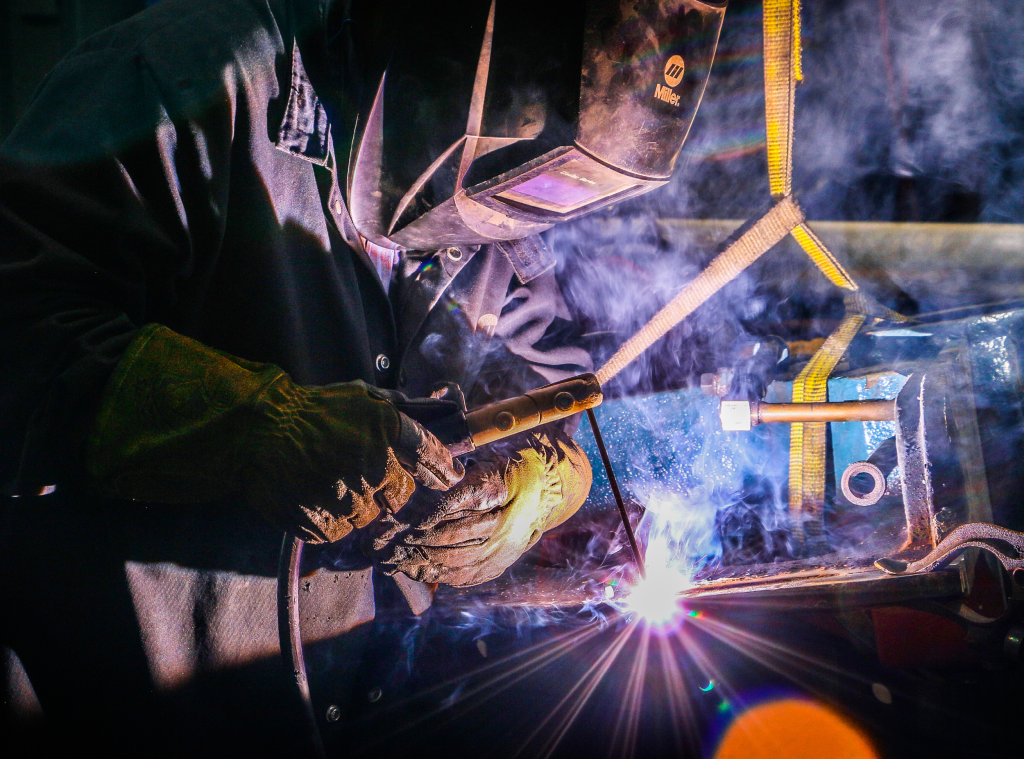
MIG welding is built for speed and steady output. When a part needs strong welds laid down fast and the bead won’t be on display, MIG usually costs less per part.
Thicker Steel and Structural Work
Frames, brackets, machine bases, skids, and structural weldments are classic MIG work. These parts carry load, so the priority is full, sound welds on heavier material, not a polished bead. MIG puts more weld metal down in less time, which keeps labor hours in check on long seams and big assemblies.
If the part will be painted, powder coated, or bolted inside a machine where no one sees it, there’s little reason to pay for the slower process.
Production Runs and Repeat Parts
Quantity changes the math quickly. On a run of 10 brackets, the gap in welding time between MIG and TIG might not move your price much. On a run of 500, a faster process adds up to real savings and a shorter lead time.
MIG also holds steady from part to part on repeat work, which helps when you need the 500th weldment to match the first one.
Repair Welding on Heavy Equipment
Worn or cracked components from construction equipment, processing lines, and industrial machinery often call for heavy, fast welds that rebuild strength. MIG handles a lot of that repair work well, especially on carbon steel parts that will go back into hard service.
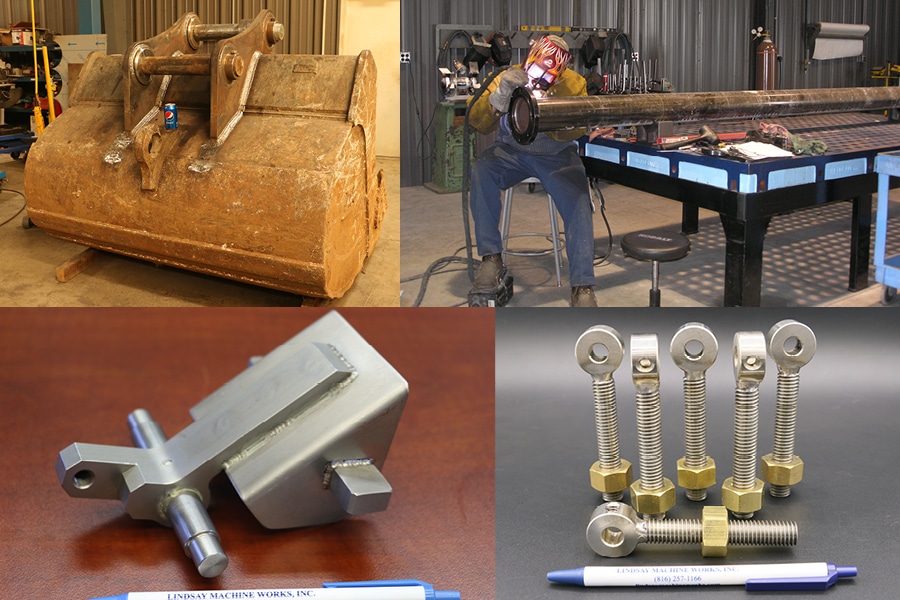
Lindsay Machine Works, Inc. handles prototypes, custom work, production runs, and repair welding in steel, stainless steel, and aluminum. Learn more about our welding services here.
 Where TIG Welding Fits Best
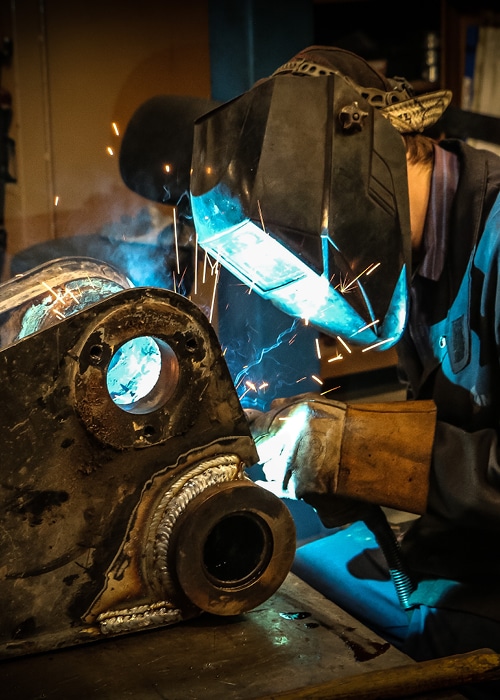
TIG welding trades speed for control. It takes longer per inch of weld, but it gives you a cleaner, more precise result. When the weld is part of how the product looks or performs, that extra time is usually worth it.
Thin Material and Tight Fit-Up
Thin sheet and light-gauge tube are easy to burn through or warp. TIG lets the welder control heat closely, so thin parts stay flat and true. That matters on enclosures, panels, guards, and small precision assemblies where a little distortion can throw off fit with the parts around them.
TIG is also a strong fit for small joints, tight corners, and detailed work where a larger, hotter weld would be hard to control.
Stainless Steel and Aluminum
Stainless steel and aluminum are where TIG often earns its place. Stainless parts for food processing equipment, for example, usually need smooth, clean welds that are easy to wipe down and don’t trap debris. Aluminum is sensitive to heat and contamination, and the control TIG offers helps produce sound, good-looking welds on it.
MIG can still be the right call on thicker aluminum or stainless parts where speed matters more than appearance. The thickness, the end use, and the finish requirement on your drawing decide which way it goes.
Visible Welds and Clean Finishes
TIG welds come out neat, with little to no spatter. If the weld will be seen on a finished product, a display piece, or a custom metal sign, TIG gives you a bead that often needs little cleanup.
Less spatter also means less grinding before paint, polish, or plating. On parts with a cosmetic finish, that saved cleanup can offset part of TIG’s slower welding time.
How to Compare MIG and TIG for Your Part
Most parts don’t sort themselves into one bucket right away. Checking these four factors makes the right process much easier to spot.
Material and Thickness
Start with what the part is made of and how thick it is. Heavier carbon steel leans toward MIG. Thin sheet, stainless steel, and aluminum lean toward TIG. Parts in the middle range can go either way, so the next three factors break the tie.
Put the material grade and exact thickness on your drawing. Those two details alone narrow the options quickly.
Appearance and Cleanup
Ask yourself who will see the weld. If the answer is no one, because the part gets painted, covered, or buried inside an assembly, MIG usually makes sense. If the weld is visible or the part needs a polished, sanitary, or cosmetic finish, TIG is often the better fit.
Don’t forget cleanup time. A MIG weld that needs heavy grinding before finishing can cost more in total than a TIG weld that’s ready as soon as it cools.
Quantity and Lead Time
Think about your volume and your deadline together. Large runs and tight schedules push toward MIG because it moves faster. Small runs, prototypes, and one-off parts with high finish requirements can absorb TIG’s slower pace without much impact on cost.
Look at total cost per finished part, not just the welding rate. Welding time, cleanup, and any rework all show up on the final price.
What Happens After Welding
The steps after welding matter too. If a weldment will be machined to final size, heat distortion during welding can affect how much stock is left to clean up. Controlled heat on thin or precise parts helps them stay closer to print before they ever reach a mill or lathe.
Finishing matters as well. Parts headed for powder coat, paint, or plating need clean surfaces, so spatter and cleanup should factor into your decision.
When Your Project Needs Both Processes
Plenty of assemblies use MIG and TIG on the same job. A machine frame might get MIG welds on its heavy structural seams and TIG welds on a thin stainless cover or a visible bracket. Using each process where it fits keeps the part strong where it needs strength and clean where it needs to look right.
Stick welding is another option for certain jobs, such as some heavy repair work. Lindsay Machine Works, Inc. offers MIG, TIG, and stick welding under one roof, so a mixed-process assembly doesn’t have to move between vendors.
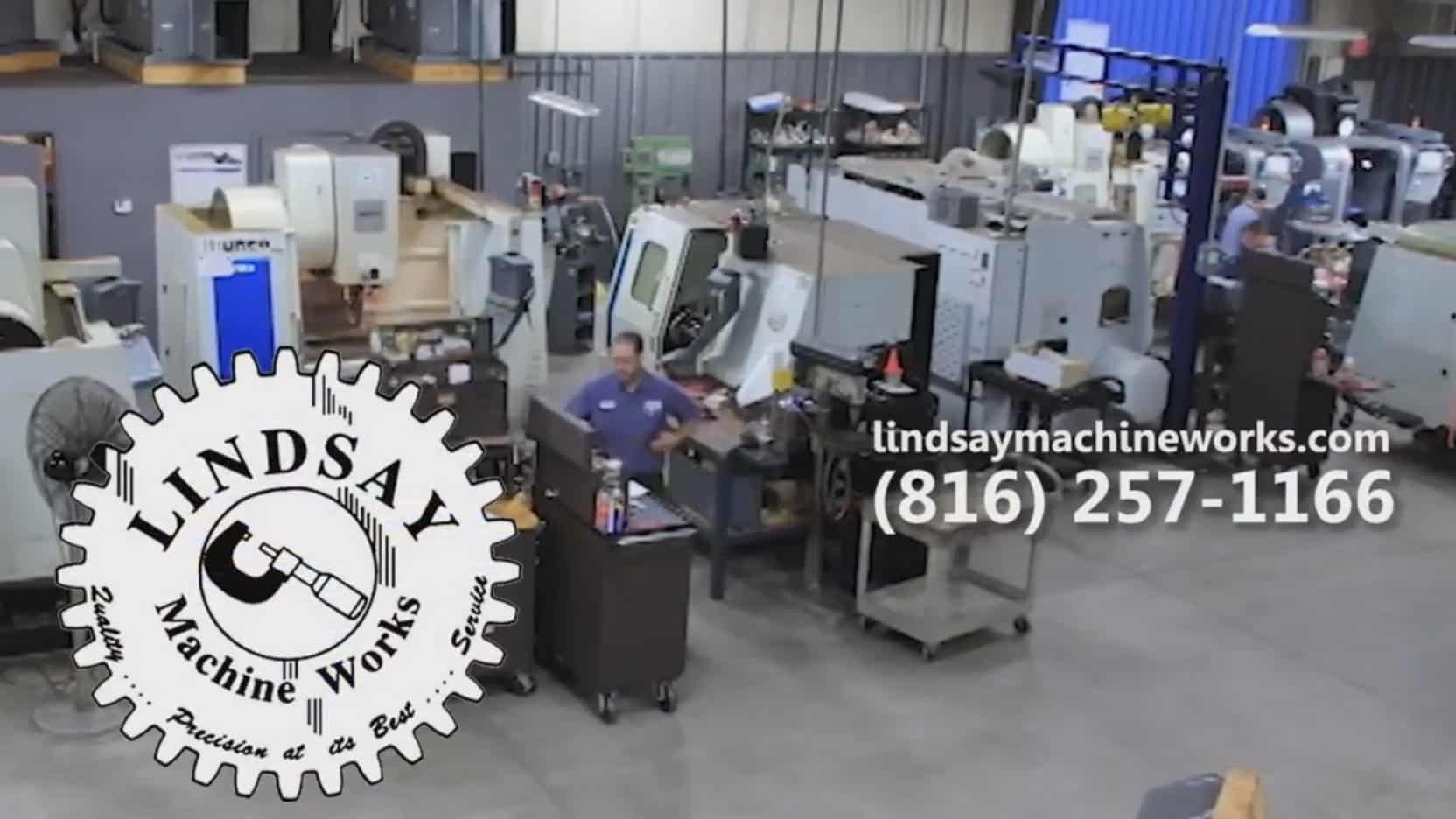
That single-shop setup goes beyond welding. Lindsay Machine Works, Inc. runs 80 machines in a 35,000 square foot facility in Independence, Missouri, with more than 30 years in business. Cutting, forming, rolling, welding, and machining all happen in-house, which keeps your parts moving and your lead times predictable. Learn more about our custom metal fabrication here.
When a weldment needs precise features after welding, such as bored holes, faced mounting surfaces, or tapped threads, the part can go straight to CNC machining on the same floor. Learn more about our CNC milling and turning services here.
Get a Quote on Your Welding Project
You don’t need to have MIG vs. TIG figured out before you reach out. If your print calls out a welding process, that’s the process your part gets. If it doesn’t, include the material, thickness, quantity, and finish requirements, and your quote will be built around the details that matter for your part. A complete PDF drawing that calls out material, dimensions, finishes, and tolerances is the fastest way to a quote. Sample parts and paper drawings work too, which helps on repair jobs and legacy parts.