Sheet metal fabrication vs. plate fabrication sounds like a question about thickness, and it partly is. But the answer also changes how your part gets cut, bent, welded, and quoted. Call out the wrong one, or leave it vague on your drawing, and you can end up with back-and-forth questions, a slower quote, or a part that doesn’t fit the job it was built for.
Here, you’ll find where sheet ends and plate begins, what each type of work usually looks like, and how to tell which one your project needs. With that in hand, your next request for quote can go out clear and complete.
Where Sheet Ends and Plate Begins
The difference starts with thickness, but the way thickness gets called out on a print matters just as much.
 The Thickness Line
Most shops treat material under 1/4 inch thick as sheet and material 1/4 inch and thicker as plate. Some suppliers draw the line a little lower, around 3/16 inch, so the exact cutoff can vary. Either way, the idea is the same. Sheet is thin and easy to form. Plate is heavy and built to carry load.
Sheet is often called out by gauge, like 11 gauge or 16 gauge. Plate is almost always called out in fractions or decimals of an inch, like 3/8 inch or 0.500 inch.
Why the Label Matters for Your Quote
Gauge numbers don’t mean the same thickness across every material. A 14 gauge steel sheet and a 14 gauge aluminum sheet aren’t the same thickness. That’s why a decimal thickness on your drawing is the clearest way to avoid confusion.
The label also tells the shop what equipment your part will need. Sheet and plate often move through different cutting, bending, and welding setups. A clear thickness callout helps your quote reflect the right steps from the start.
 What Sheet Metal Fabrication Looks Like
Sheet metal work is about precision, clean edges, and parts that hold their shape after forming. Thin material is light, easy to bend, and a good fit for parts that don’t carry heavy loads.
Common Sheet Metal Parts
Enclosures, covers, guards, panels, brackets, chutes, and housings are classic sheet metal parts. You’ll find them on food processing lines, packaging machines, control cabinets, and OEM equipment. Many of these parts are bent into boxes or channels, so the accuracy of each bend affects how the final assembly fits together.
Cutting and Forming Sheet
Thin material calls for cutting that keeps edges clean and holes accurate. Fiber laser cutting is a strong fit for most sheet parts, especially ones with small holes, tight profiles, or detailed cutouts. Learn more about our fiber laser cutting services here.
Forming is where sheet parts take shape. At Lindsay Machine Works, Inc., a CNC press brake handles high-precision bending on material up to 1/4 inch thick and up to 4 feet wide. A shear cuts mild steel up to 1/4 inch thick and up to 12 feet wide. A notcher handles mild steel up to 1/4 inch thick and stainless steel up to 3/16 inch thick, which helps on tube and angle work that feeds into a sheet metal assembly.
What to Watch For on Thin Parts
Thin material moves when it gets hot. Welding on sheet can cause warping, so heat control matters on enclosures and panels that need to stay flat. Bend order matters too, especially on parts with several flanges close together.
Finish is another factor. Many sheet parts end up powder coated, painted, or polished. If your part has a cosmetic finish, note that on the drawing so cutting and welding are planned around a clean surface.
What Plate Fabrication Looks Like
Plate work is about strength. Heavy material carries load, takes impact, and holds up in hard service. The trade-off is that plate is harder to cut, bend, and weld, and it takes more time and heavier equipment to do it well.
Common Plate Parts
Base plates, mounting plates, gussets, wear plates, structural brackets, machine frames, and weldments are typical plate parts. Construction equipment, energy and utility hardware, and heavy industrial machinery all lean on plate parts. Rings, barrels, and rolled shells are plate work too.
Cutting Heavy Plate
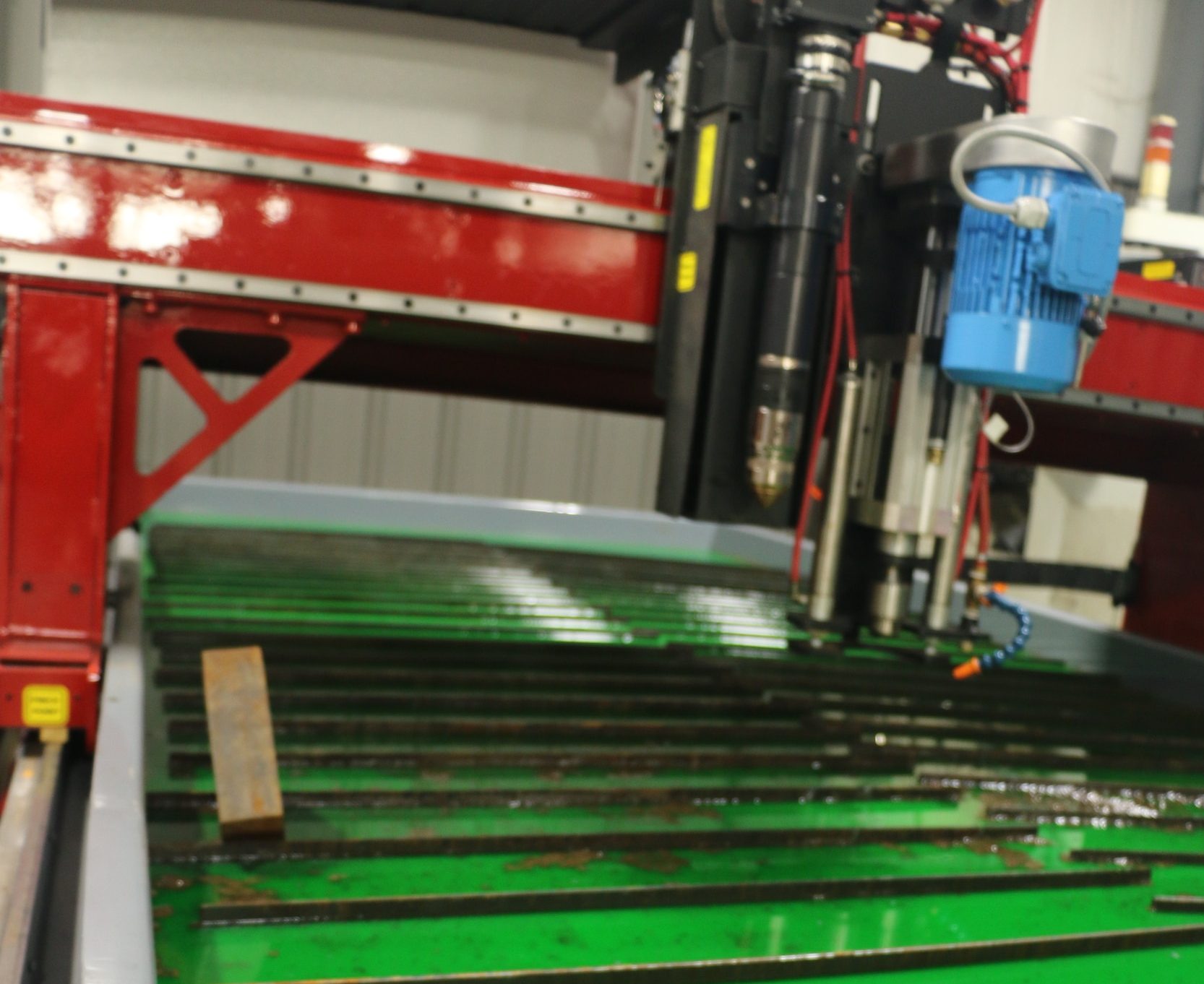
Thicker plate calls for cutting equipment built for it. CNC plasma cutting at Lindsay Machine Works, Inc. runs on a 60 by 120 inch table and cuts carbon steel up to 1.5 inches thick. That makes it a fast, practical choice for base plates, gussets, and weldment blanks. Learn more about our CNC plasma cutting services here.
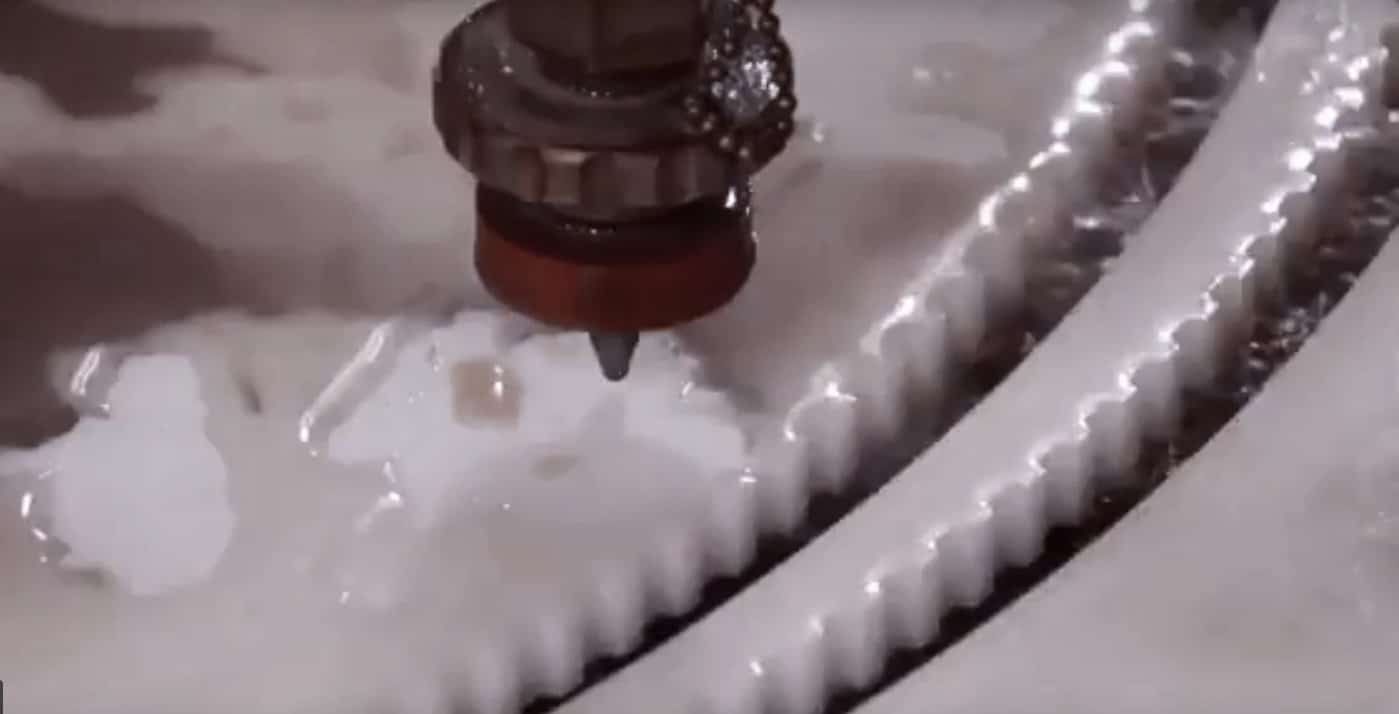
For plate that’s even thicker, or for parts that can’t take heat along the cut, waterjet cutting is another option. Waterjet handles steel and stainless plate up to 4 inches thick and aluminum up to 6 inches thick.
Forming, Rolling, and Welding Plate
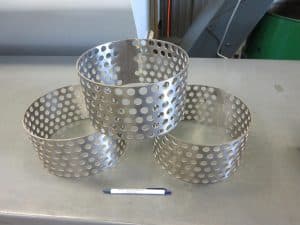
Bending plate takes more force than bending sheet, so plate parts often need a heavier press brake. A plate roller forms rings, barrels, and curved shells up to 6.5 feet wide. An angle and tube roller handles rings made from tubing, round stock, or angle.
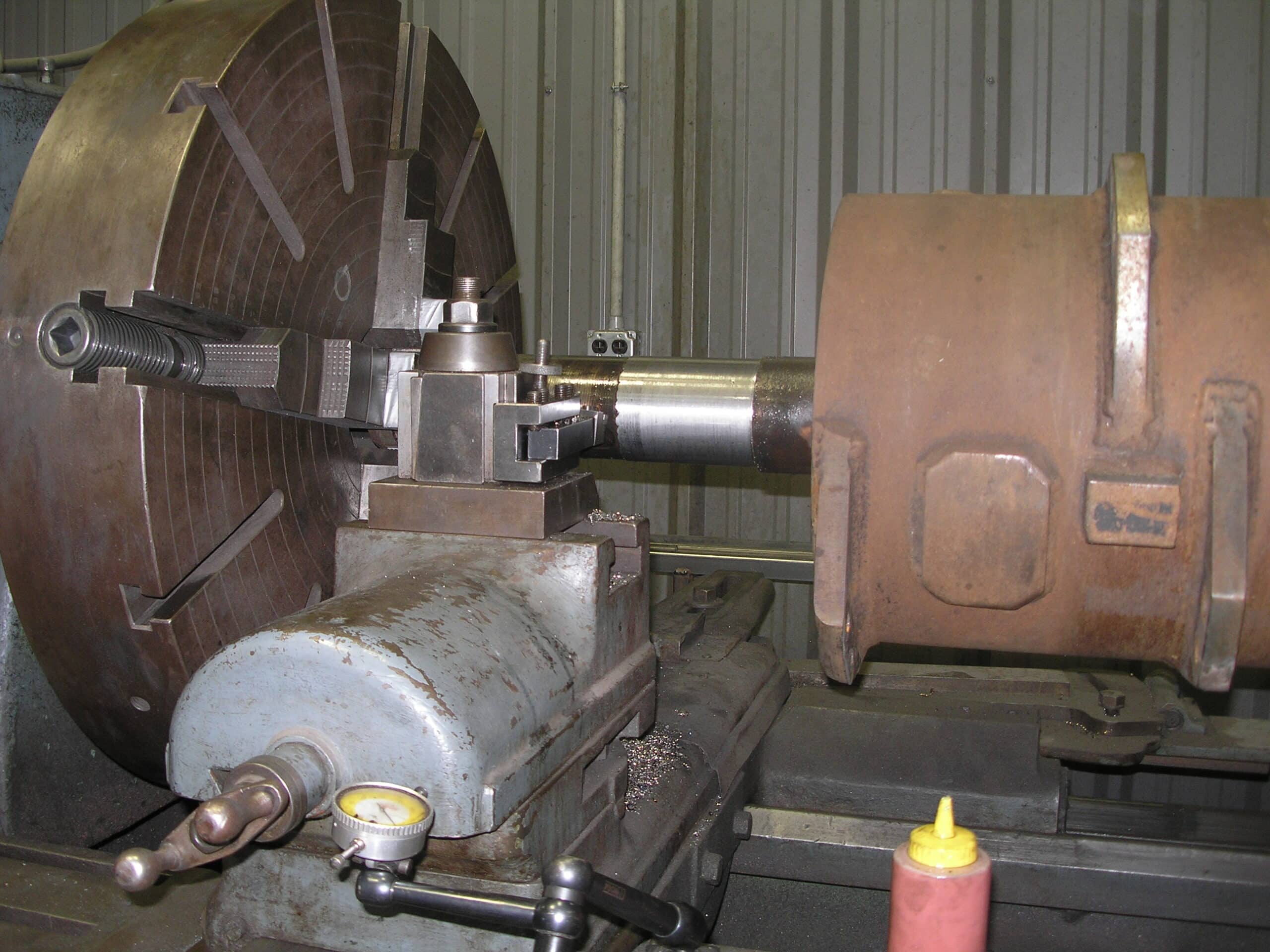
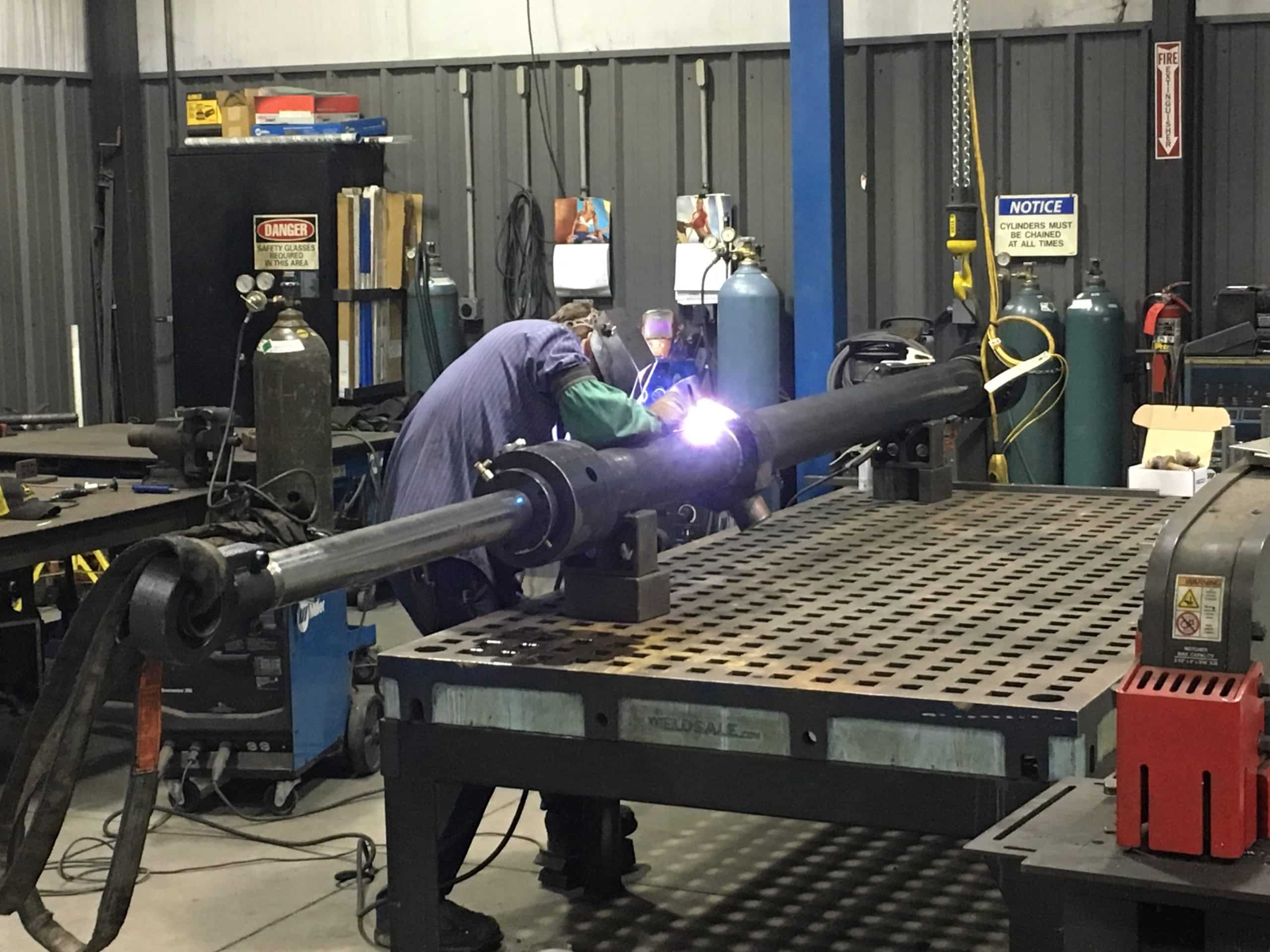
Welding plate is usually about full, sound welds on heavier sections. Joint prep, weld size, and distortion all need attention, especially on large weldments. If a plate weldment needs bored holes, faced surfaces, or tapped threads after welding, that machining can happen on the same floor.
How to Tell Which One Your Project Needs
Plenty of parts land clearly on one side. Others sit close to the line. These questions help you sort out which way yours leans.
Start With What the Part Does
Think about the load. A cover that keeps dust out of a gearbox doesn’t need to be plate. A mounting base that holds that gearbox in place probably does. If the part carries weight, takes impact, or holds alignment under stress, it usually belongs in plate. If it protects, encloses, or routes material, sheet often does the job.
Check Weight, Stiffness, and Finish
Weight matters on parts that get lifted, opened, or mounted to moving equipment. Thinner material keeps those parts lighter. Stiffness matters on parts that can’t flex. Finish matters on parts people see or touch, like panels and guards.
When those needs pull in different directions, the thickness on your drawing is what settles it. The clearer the drawing, the more accurate the quote.
Projects That Use Both
Many assemblies mix sheet and plate. A machine frame might use plate for the base and uprights, with sheet metal guards and covers bolted on. A conveyor might pair heavy plate side frames with a formed sheet metal chute.
When both types of work happen under one roof, those parts stay on one schedule. Lindsay Machine Works, Inc. runs 80 machines in a 35,000 square foot facility in Independence, Missouri, with more than 30 years in business. Cutting, forming, rolling, welding, and machining all happen in-house, so a mixed assembly doesn’t have to move between vendors.
Get a Quote on Your Fabrication Project
Whether your part is thin sheet, heavy plate, or a mix of both, the fastest way to a quote is a complete PDF drawing that calls out material, thickness, dimensions, finishes, and tolerances. For 2D cutting parts, send a DXF along with it. You can include 3D models with your PDF drawing, and sample parts and paper drawings work too, which helps on replacement and legacy parts.
Lindsay Machine Works, Inc. serves customers across the Kansas City area and ships nationwide. Call (816) 257-1166 or request a quote through our Custom Metal Fabrication page to get your project started.