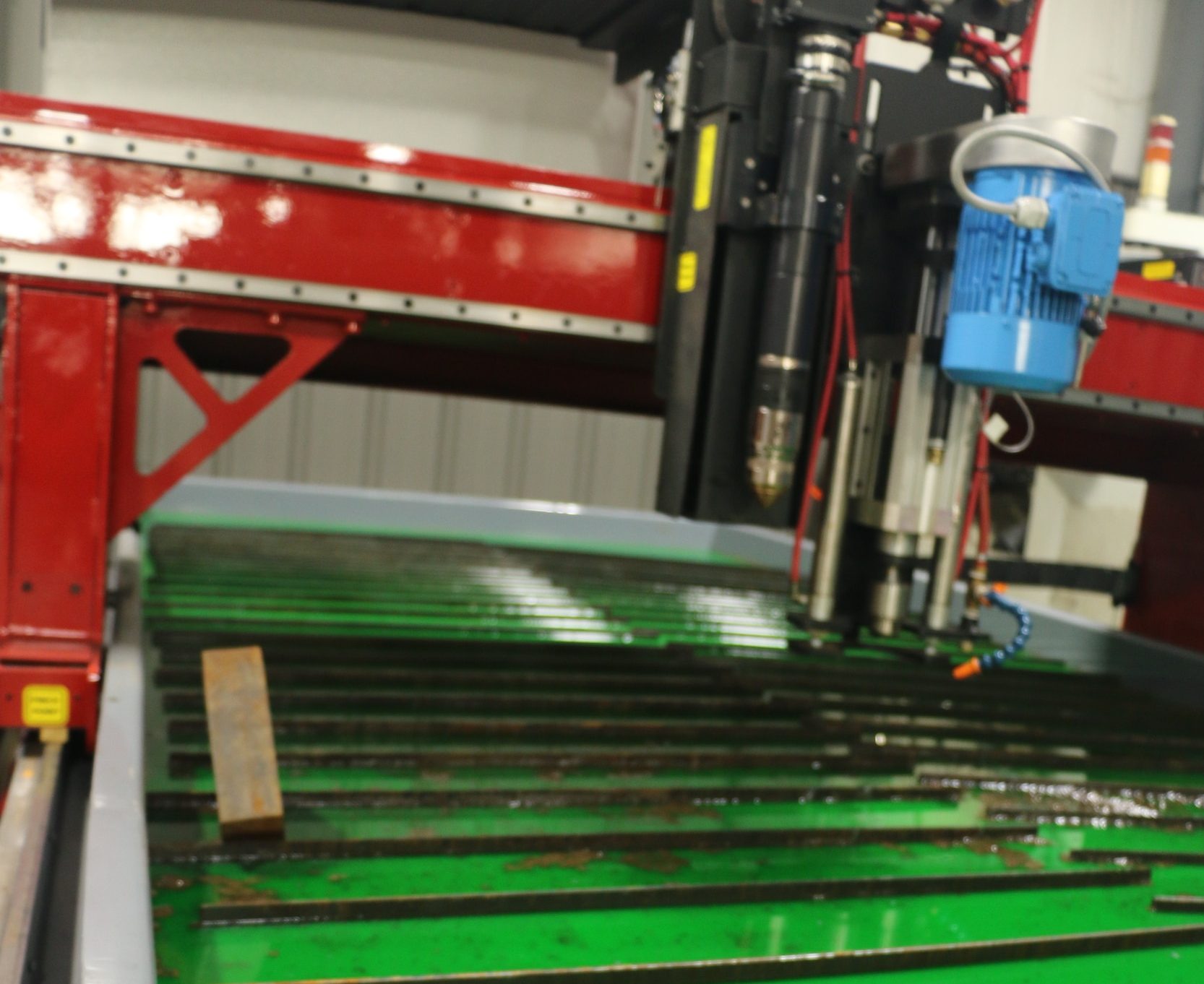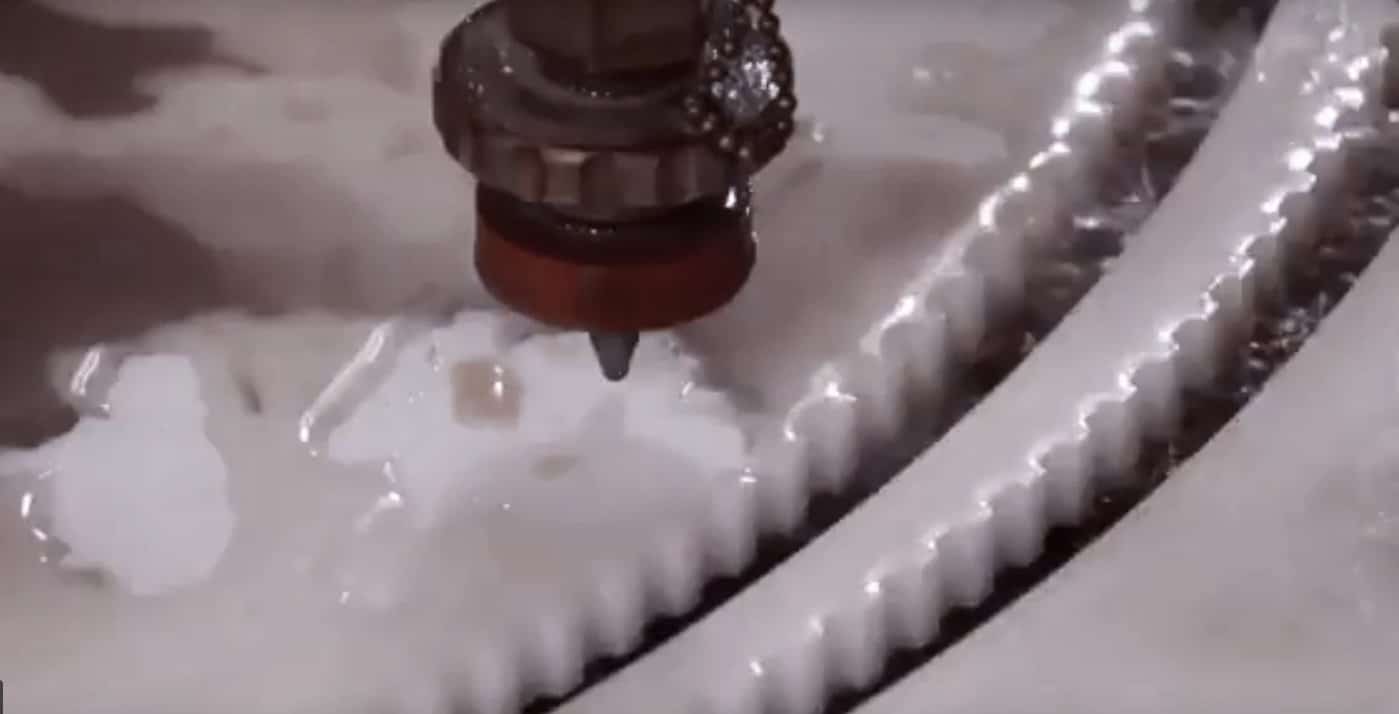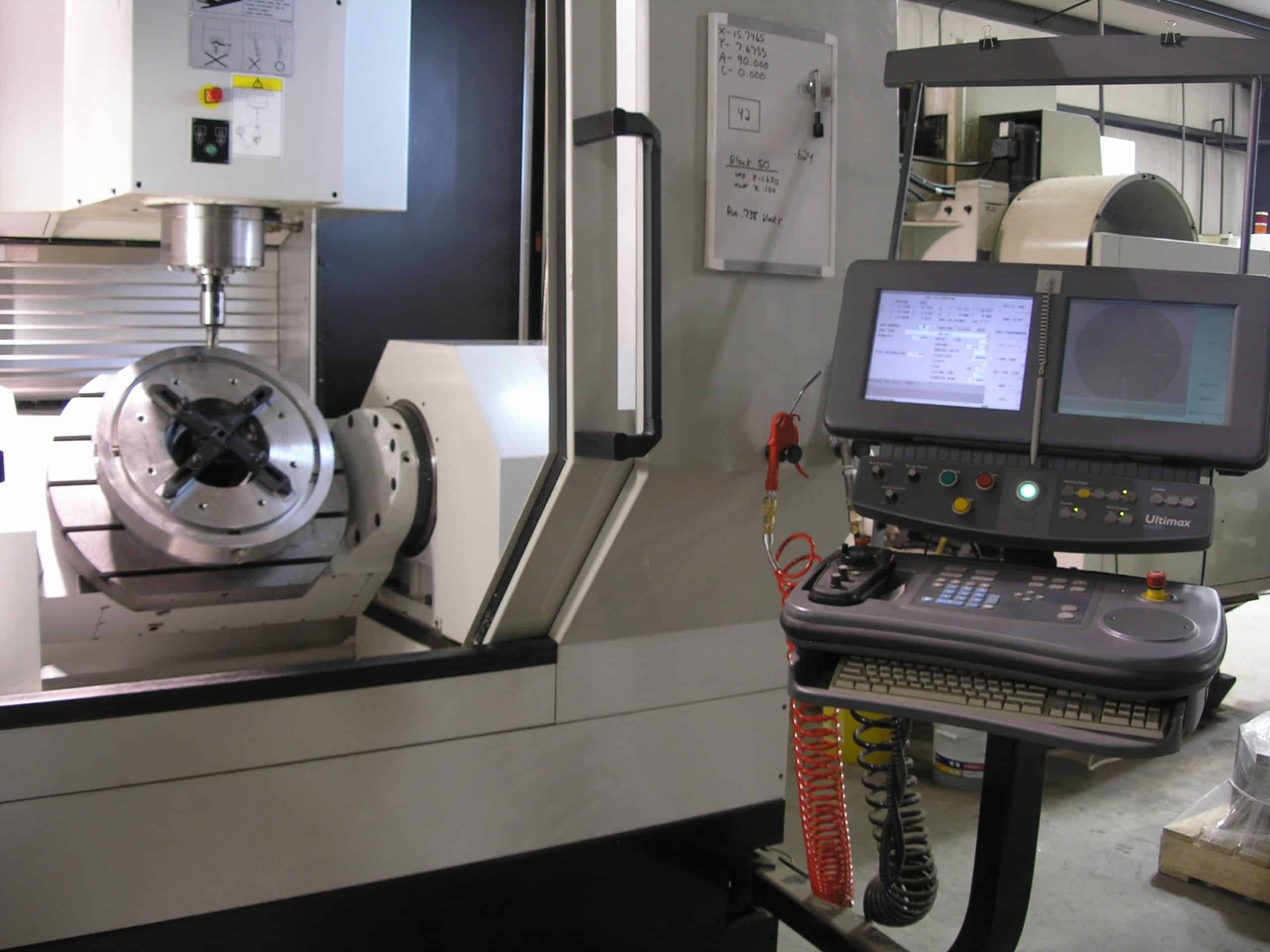
Choosing the right manufacturing method can be tricky. Each project has its own needs for geometry, material, and volume. At Lindsay Machine Works Inc., we guide our clients through these choices every day.
It’s key to understand CNC Milling vs. CNC Turning for your project’s success. Both use subtractive processes, but they work differently. One spins the workpiece, the other moves the tool over a fixed block.
We aim for clear choices to improve engineering results. By focusing on your part’s unique needs, we help pick the best method. Our team makes modern machining simple, so you can confidently move from design to production.
Understanding the Core Differences in CNC Milling vs. CNC Turning
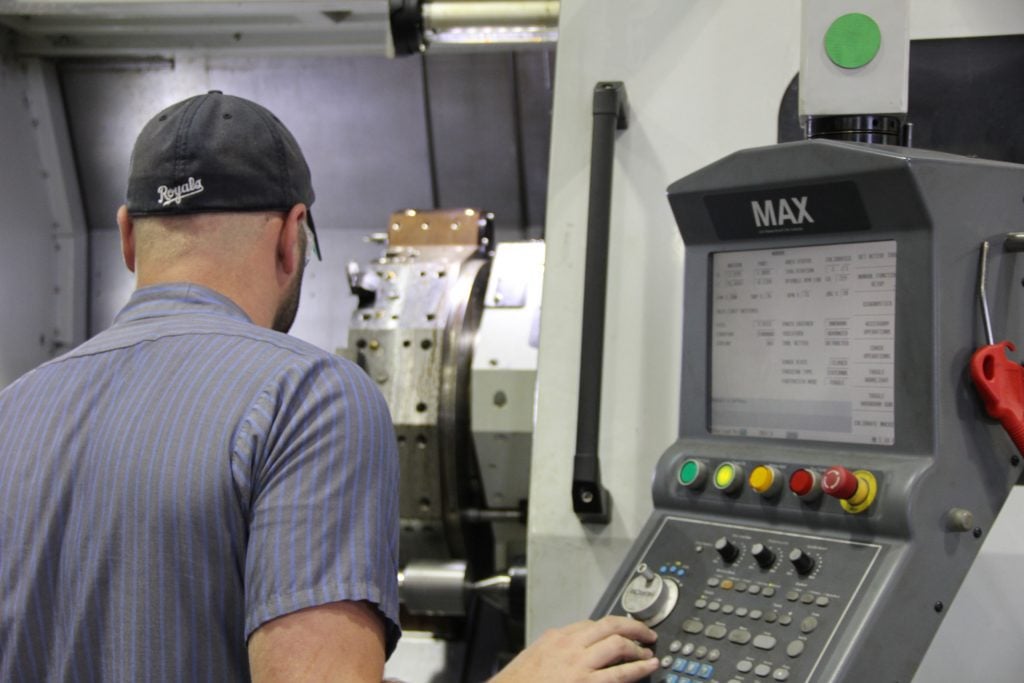
The main difference between CNC Milling and CNC Turning affects how we tackle your project. At Lindsay Machine Works Inc., we aim to make things clear. This way, you can choose the best option for your needs. We focus on precision to meet your high standards.
How the CNC Milling Process Functions
CNC Milling uses a fast-moving cutting tool that works against a still workpiece. Our machines control the tool’s movement in several directions. This lets us make detailed shapes and complex designs on metal parts.
The Mechanics Behind CNC Turning Techniques
CNC Turning, on the other hand, spins the workpiece against a fixed tool. It’s great for making round parts like shafts and pins. We control the spin speed and cut depth for perfect symmetry and smooth finishes.
Key Distinctions in Material Removal
The main difference is how material is taken away. Milling removes it from a block, while turning shapes it as it spins. Knowing this helps us pick the best way to make your parts.
Evaluating the Advantages and Applications for Your Projects
Choosing the right production method is key. We look closely at your part’s design. We match your needs with the best manufacturing tech.
When to Choose CNC Milling for Complex Geometries
Milling is great for parts with complex shapes. It’s perfect for non-cylindrical features. CNC Milling is great for making precise pockets, slots, and surfaces.
It’s used for engine parts, aerospace brackets, and custom housings. These parts need great detail, which milling machines can offer.
Identifying Ideal Use Cases for CNC Turning
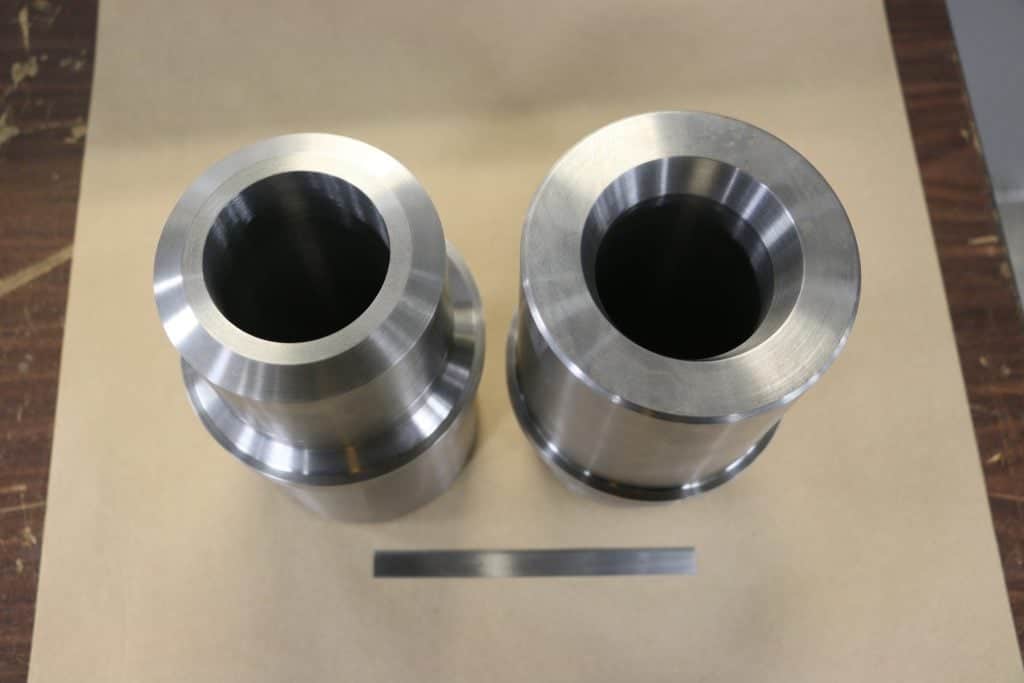
Turning is best for parts with symmetry around a central axis. It offers fast production and smooth surfaces for round parts.
It’s used for shafts, pins, bushings, and other cylindrical parts. Rotating material against a tool ensures high accuracy for these shapes.
How Lindsay Machine Works Inc. Determines the Best Approach
At Lindsay Machine Works Inc., we review your design files carefully. We look at geometry, material, and volume to find the best solution.
We’re proud to guide you through every project. Choosing the right process saves time and cuts costs.
Selecting the Right Manufacturing Method for Your Specific Part
Choosing between CNC Milling and CNC Turning depends on your project’s goals. At Lindsay Machine Works Inc., we help you decide which is best for your design. We focus on your needs to ensure each part is made to exact standards.
Consider the part’s shape, material, and how many you need. We look at these to make your production process smoother. This comparison helps you make the right choice for your hardware.
Our team at Lindsay Machine Works Inc. is here to help you make these technical decisions. We aim for your parts to be top-notch. Contact us to talk about your project and start with confidence.