
CNC Machining for Stainless Steel Parts That Hold Up Under Pressure
Stainless steel is the metal of choice when corrosion, washdown chemistry, heat, or food contact would chew through anything else. The trade-off is that stainless is hard on tools, sensitive to heat, and easy to work harden if the cutter dwells in the wrong place. To get a stainless part that holds tolerance and lasts in service, you need a shop that plans for those quirks before chips fly.
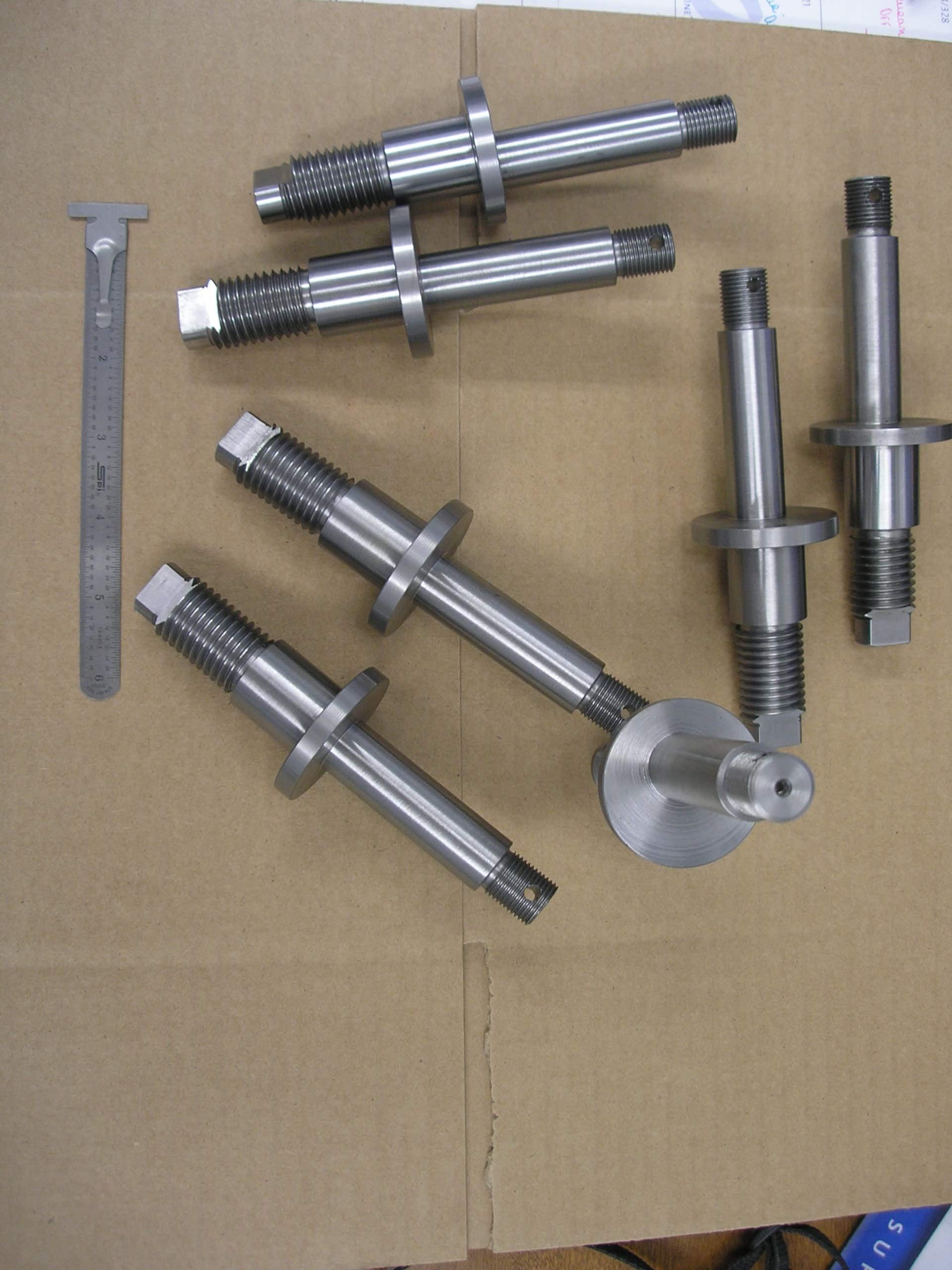
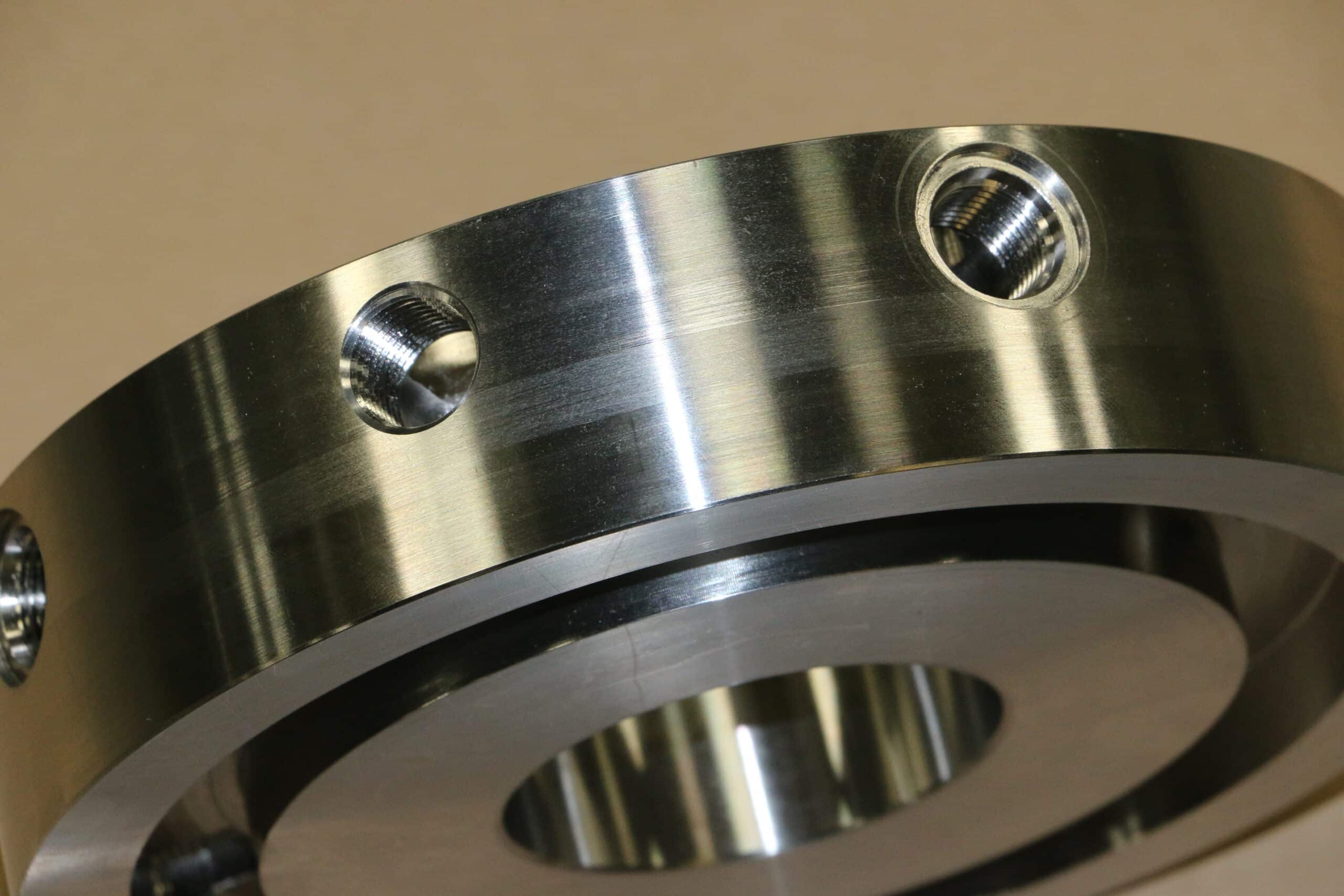
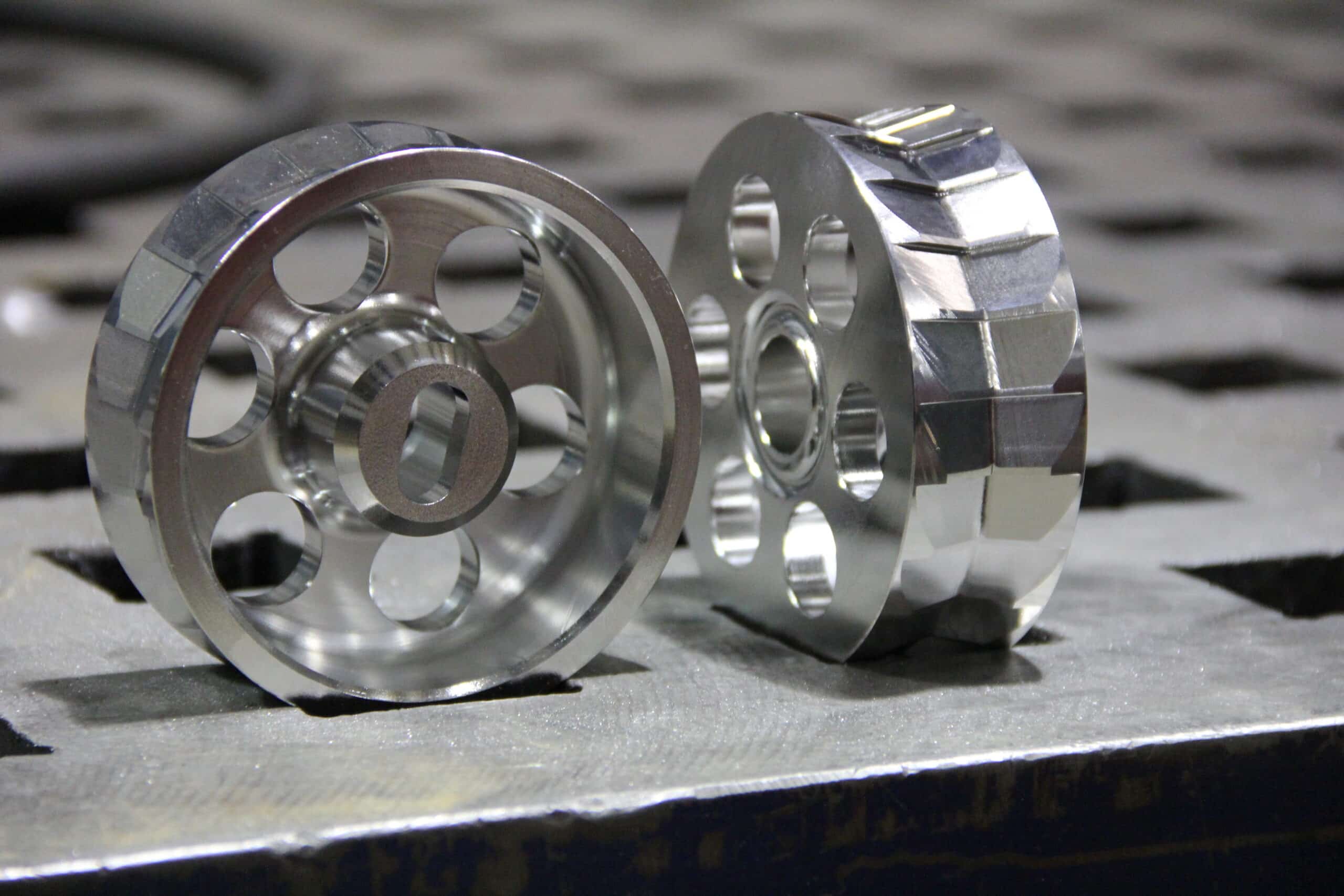
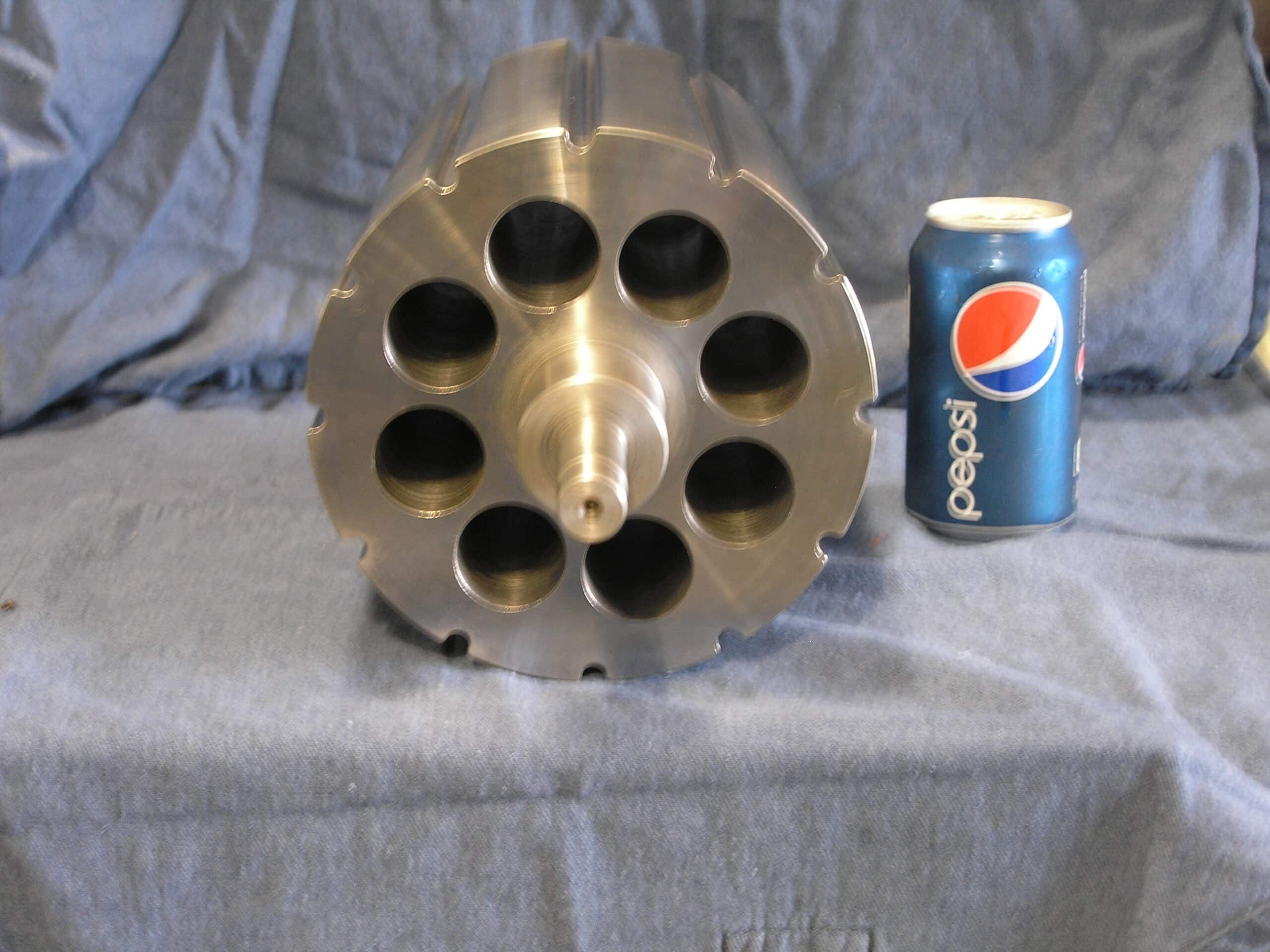
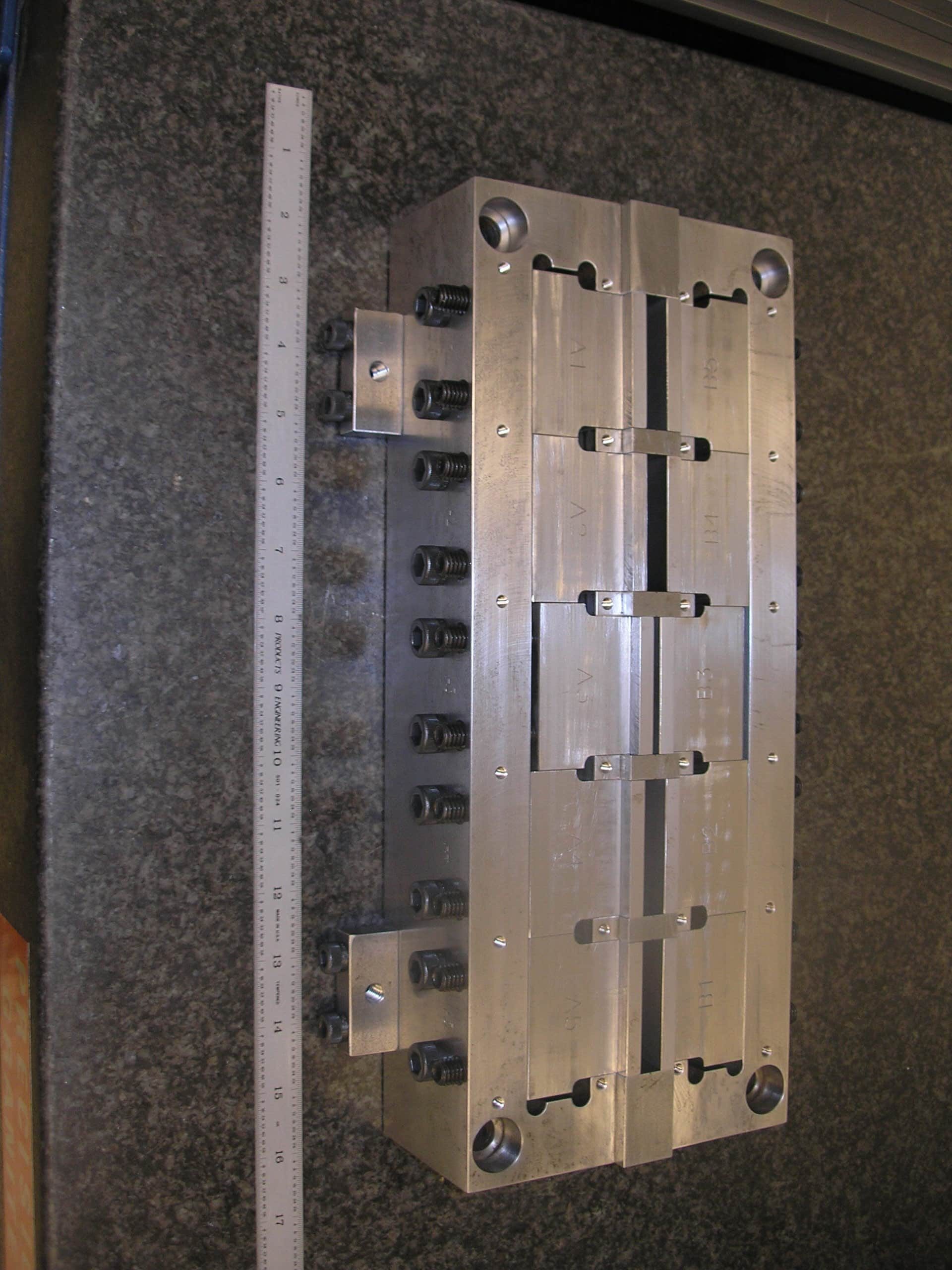
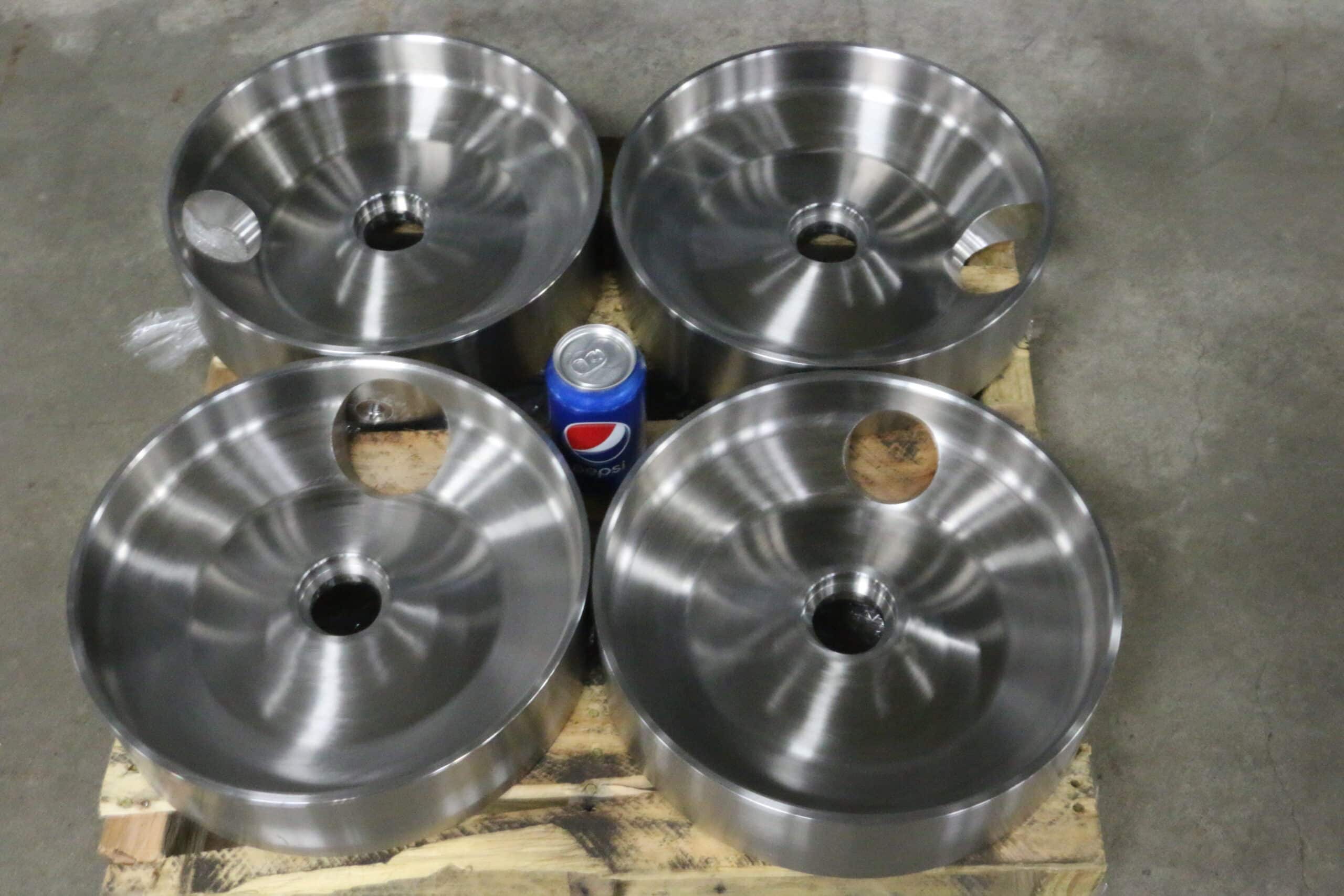
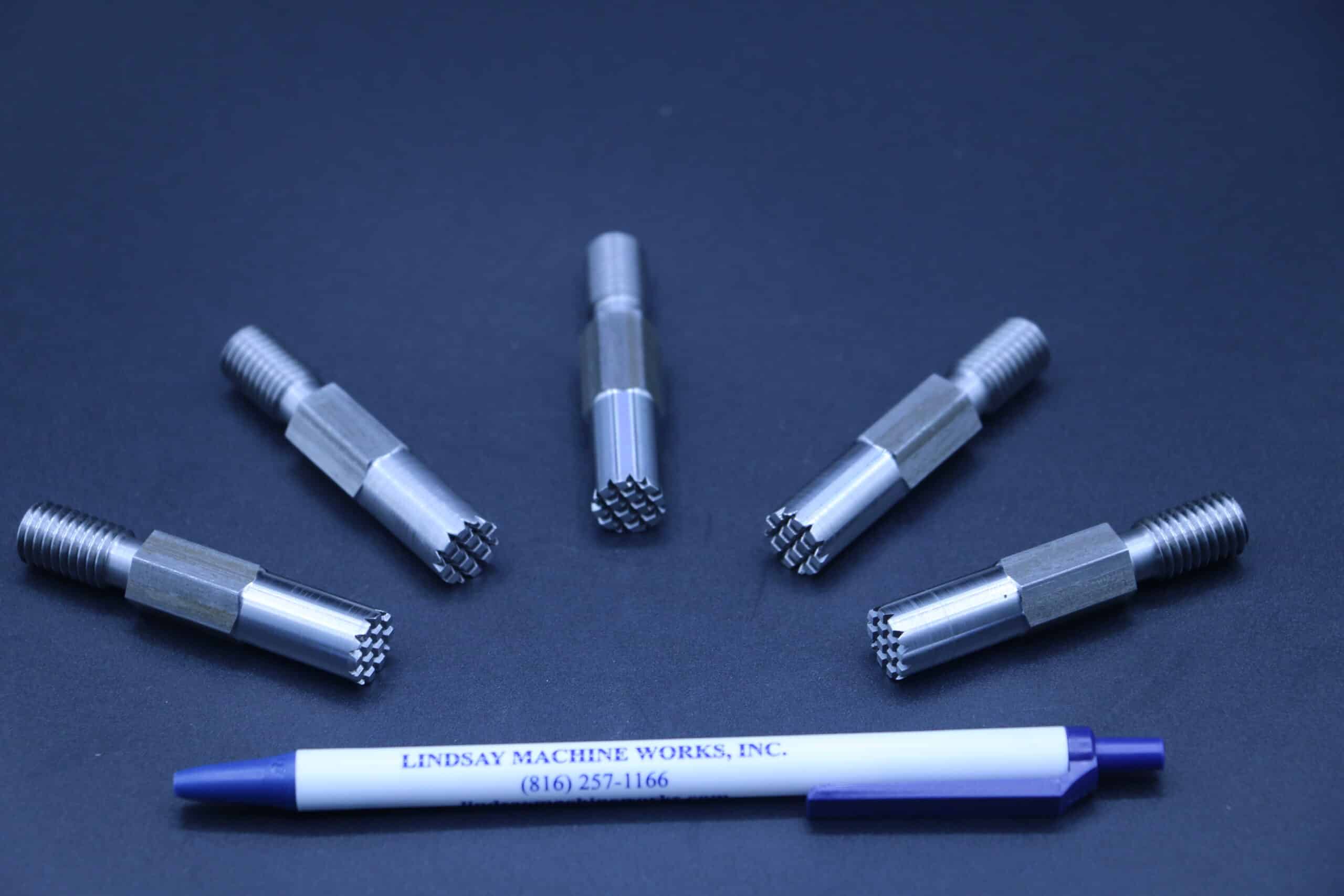
Lindsay Machine Works runs CNC machining of stainless steel work every week for OEMs in food, defense, energy, and heavy industry. The shop has the speeds, the tooling, and the inspection discipline to produce stainless parts you can put straight into service.
Why Stainless Belongs in a Precision Machine Shop
CNC machining stainless steel is not the same job as machining mild steel. Stainless tends to work harden if you let the tool rub, which makes the next pass even tougher. Chip control matters more. Heat has to go somewhere. And the tool selection that works on 1018 steel will burn up on 316.
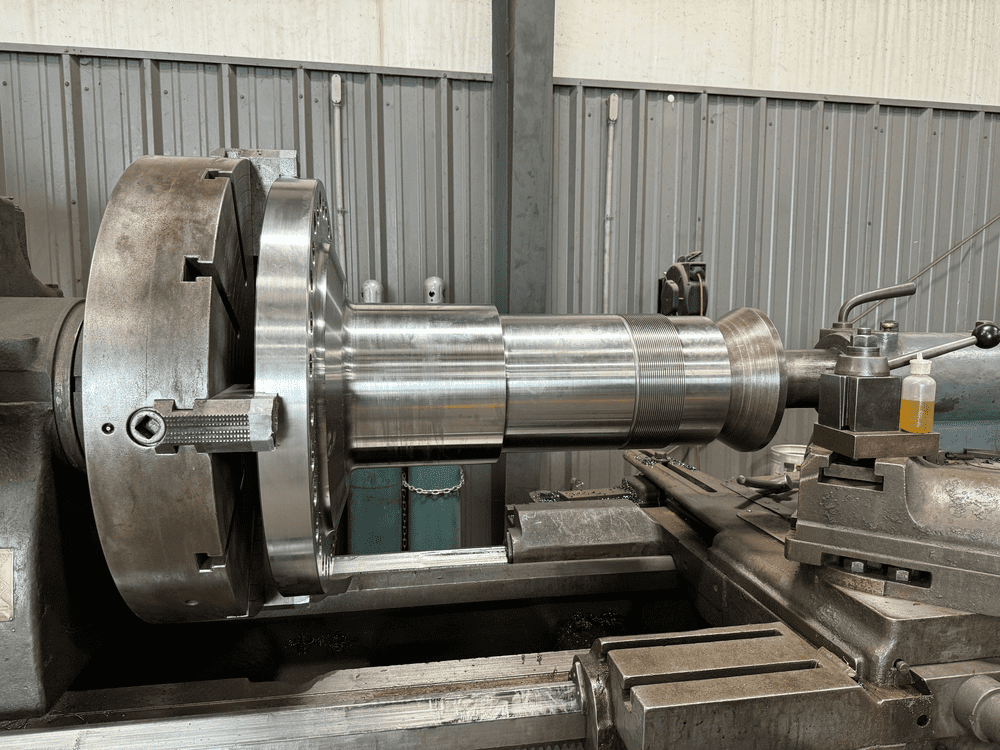
The shop manages all of that on purpose. That means rigid setups, sharp coated tooling, climb milling where it makes sense, and feeds and speeds chosen for the grade in front of the operator. The result is a finished stainless part that comes off the machine in tolerance and is ready for whatever finish or pickle treatment your spec calls for.
Stainless Steel Grades We Machine
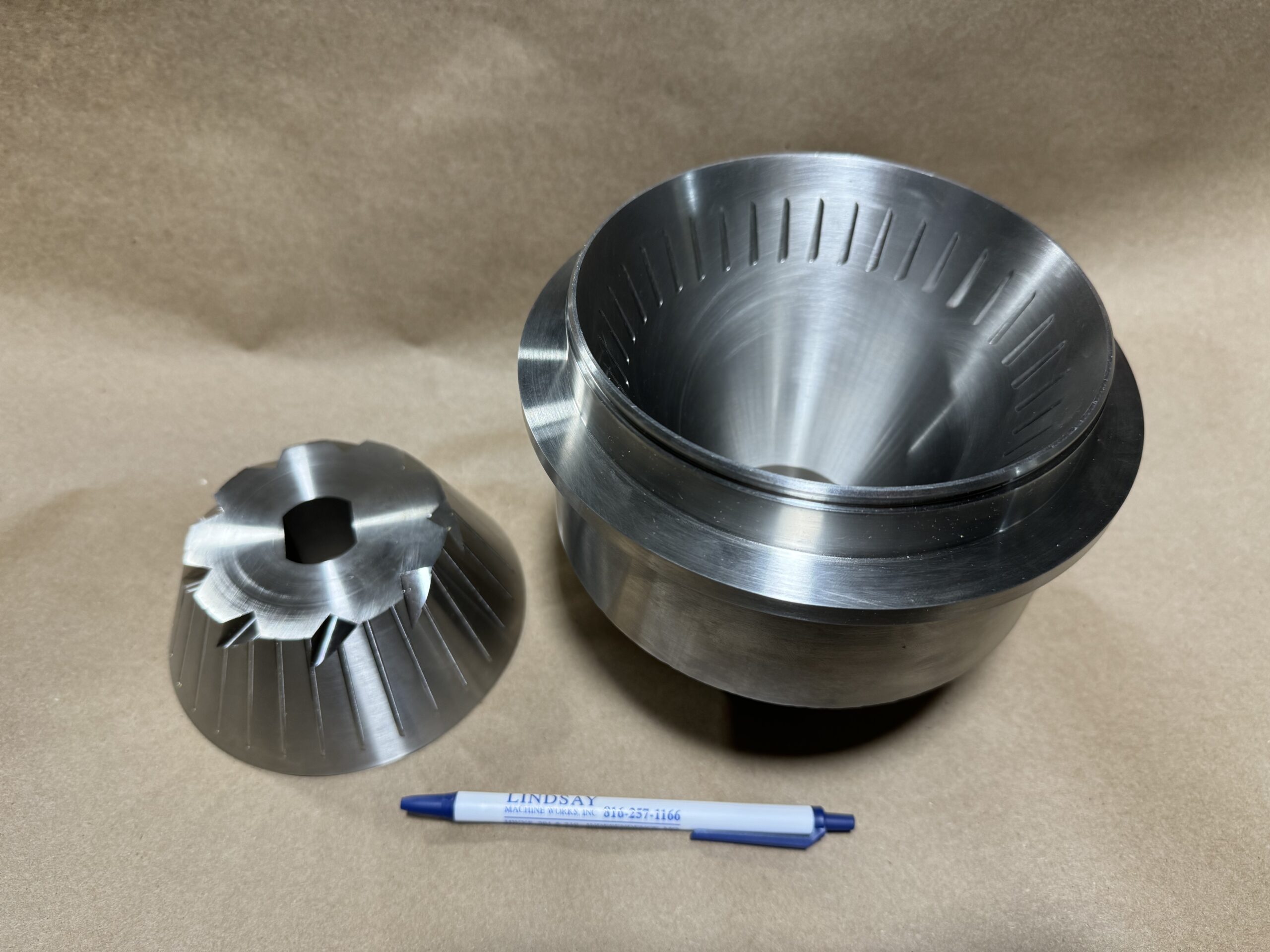
Each stainless grade has a different combination of corrosion resistance, strength, and machinability. The right choice depends on the application. You can specify the grade on the print or ask the team to source the right material for the job.
- 304 / 304L: The most common austenitic stainless. Excellent corrosion resistance and weldability. Used for food, dairy, pharma, sanitary, and general-purpose work where rust is unacceptable.
- 316 / 316L: Adds molybdenum for higher resistance to chlorides and acids. The go-to for marine, chemical processing, and food applications where 304 is not quite enough.
- 17-4 PH: A precipitation-hardening stainless that combines high strength with good corrosion resistance. Used in aerospace, defense, oil and gas, and high-load valve and pump components. Machined in the annealed condition, then heat-treated to spec.
- 303: Free-machining version of 304. Used where machinability matters more than weldability, often in turned shafts and fittings.
- 410 and 416: Martensitic stainless grades for parts that need to be heat-treated to hardness, like shafts, fasteners, and valve components.
Material certifications stay on file with the job, which matters in food, defense, and energy work, where traceability is part of the deliverable.
How the Shop Approaches Stainless
A few practical decisions separate a stainless job that runs clean from one that fights the operator. The team plans for each one on the way in.
- Tool selection: Coated carbide tooling chosen for the grade, with sharp edges to prevent work hardening on 304 and 316
- Speeds and feeds: Reduced surface speed compared to carbon steel, with enough feed to keep the cutter biting and the chip moving
- Climb milling and continuous engagement: Keeps the tool out of the work-hardened zone left by the previous pass
- Coolant strategy: Flood coolant on most operations, with high-pressure delivery where chip evacuation matters
- Set up rigidity: Stainless punishes deflection, so fixturing supports the part close to the cut
The same discipline carries through to 17-4 PH, which gets machined in the annealed condition, sent out for heat treatment, and brought back for final grinding when the print calls for a hardened finish.
Stainless Applications We Build For
Stainless parts show up across most of the customer mix. The shop produces stainless steel work for:
If your application sits in one of these categories or somewhere in between, you can send the drawing for a quote.
Industries We Build Stainless Parts For
The shop most often produces stainless parts for:
- 1
Construction
- 2
Military and defense
- 3
Energy and utilities
- 4
Food processing
- 5
Manufacturing and OEM equipment builders
- 6
Printing and packaging
Read more about how the team supports manufacturers and OEMs on our OEM parts and metal fabrication for manufacturing page.
CNC Capabilities Behind Every Stainless Part
Stainless work runs across the same equipment as the rest of the shop, with a few specific advantages.
- 5-axis CNC milling on vertical machining centers up to 32 inches by 120 inches for complex stainless housings and brackets
- 4-axis CNC milling for multi-sided stainless parts
- 5-axis CNC turning with live tooling and a sub spindle for turned stainless parts up to 26-inch OD by 80 inches long
- Surface, ID, and OD grinding for high-precision finishes on shafts, sleeves, and sealing surfaces
- Gundrilling up to 1 inch OD by 40 inches deep for stainless hydraulic bodies and manifolds
When stainless parts need cutting, forming, or welding, those operations run in-house so the project does not bounce between vendors.
Quality and Inspection
Stainless parts are often used where failure is not an option. Every stainless job moves through a climate-controlled inspection area, with a Starrett AV350 vision and probe system, calibrated micrometers, and digital height gauges measuring each part against the print. First article inspection reports and material certifications are available when you need them.
Why Buyers Choose Lindsay for Stainless Work
You are choosing the process behind the part. Lindsay Machine Works has been producing precision components for OEMs and end users for more than 30 years, with more than 80 machines in a 35,000 square foot facility. The combination of multi-axis CNC equipment, grinding, fabrication, and a dedicated inspection area means most stainless projects move from raw bar or plate to a finished, inspected part under one roof.
You get cleaner handoffs, tighter quality control, and shorter lead times than you would chasing the same work across three or four shops.
Service Area
The shop is located at 4023 N. Cobbler Road in Independence, Missouri, just outside Kansas City. CNC-machined stainless parts ship across the country, and the team supports OEMs, contract buyers, and end users from the greater Kansas City metro to the rest of the United States.
Get Your Stainless Steel Part Quoted Today
If you have a stainless steel part on a print, a 3D model, or a worn sample, send what you have. You will get a quote, a lead time, and clear answers fast.