
CNC Machining for Heavy Equipment Parts Built to Take a Beating
Your machines work in dirt, heat, vibration, and load cycles that punish every component on board. When a part on a combine, a haul truck, or an excavator fails, the clock starts the moment the operator climbs down. CNC machining for heavy equipment parts gives you a way to keep those machines running with components built to the original spec and the conditions they live in.
Lindsay Machine Works produces CNC-machined parts for agricultural, mining, and construction equipment OEMs and the repair facilities that keep their fleets in the field. The shop is sized for the work, with large-envelope machining, heavy-duty materials, and a quality system that ties every part back to its print.
What CNC Machining for Heavy Equipment Parts Means
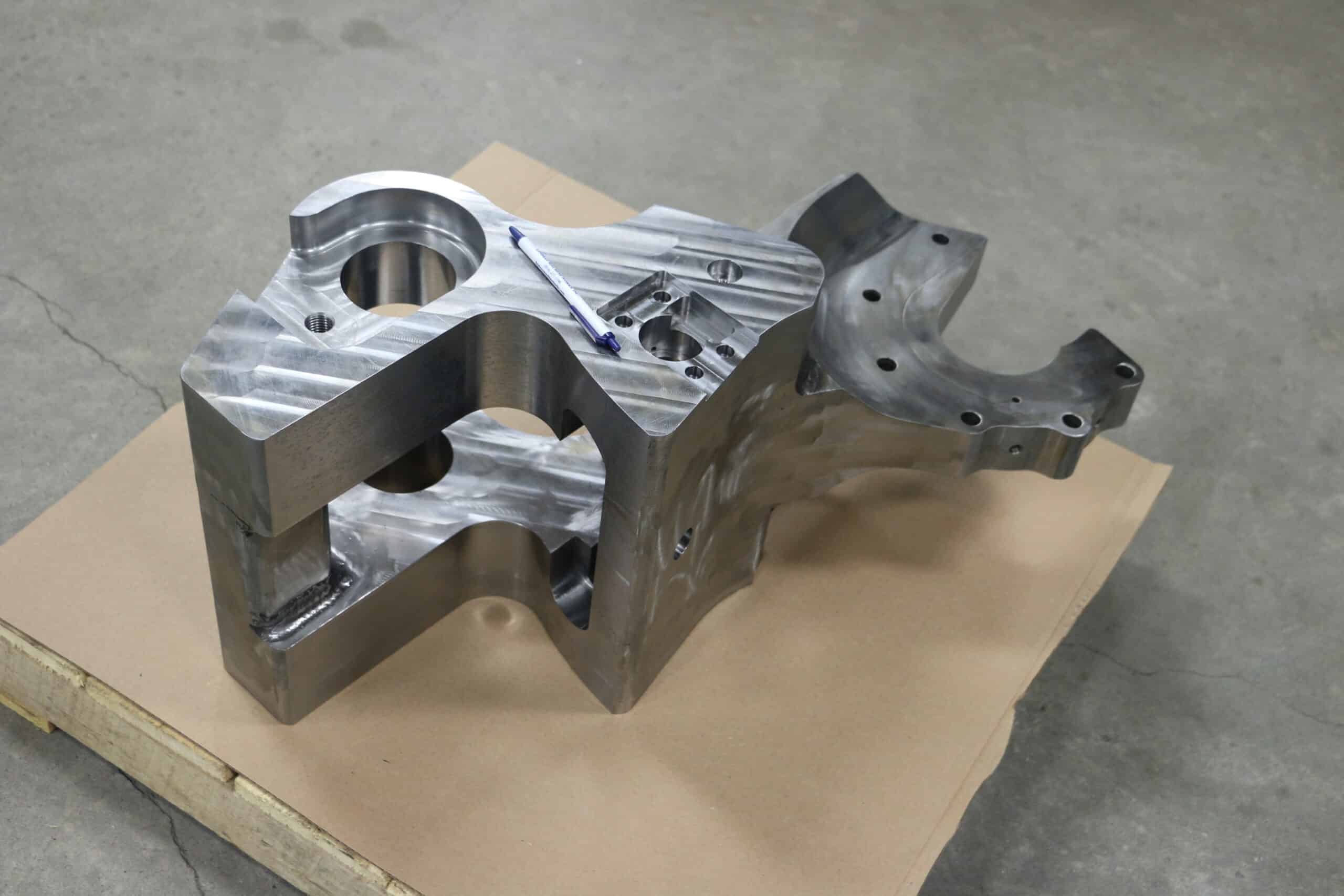
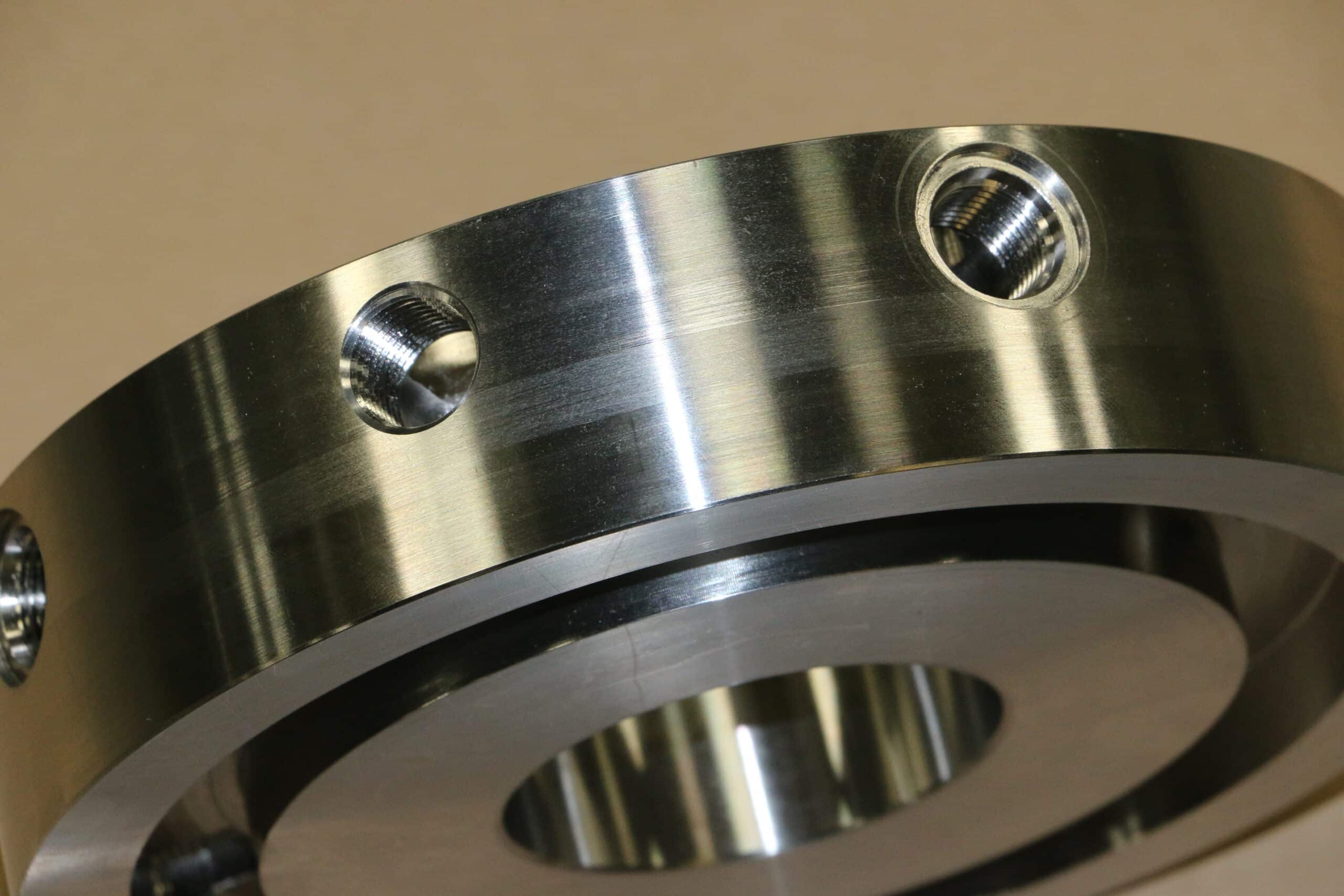
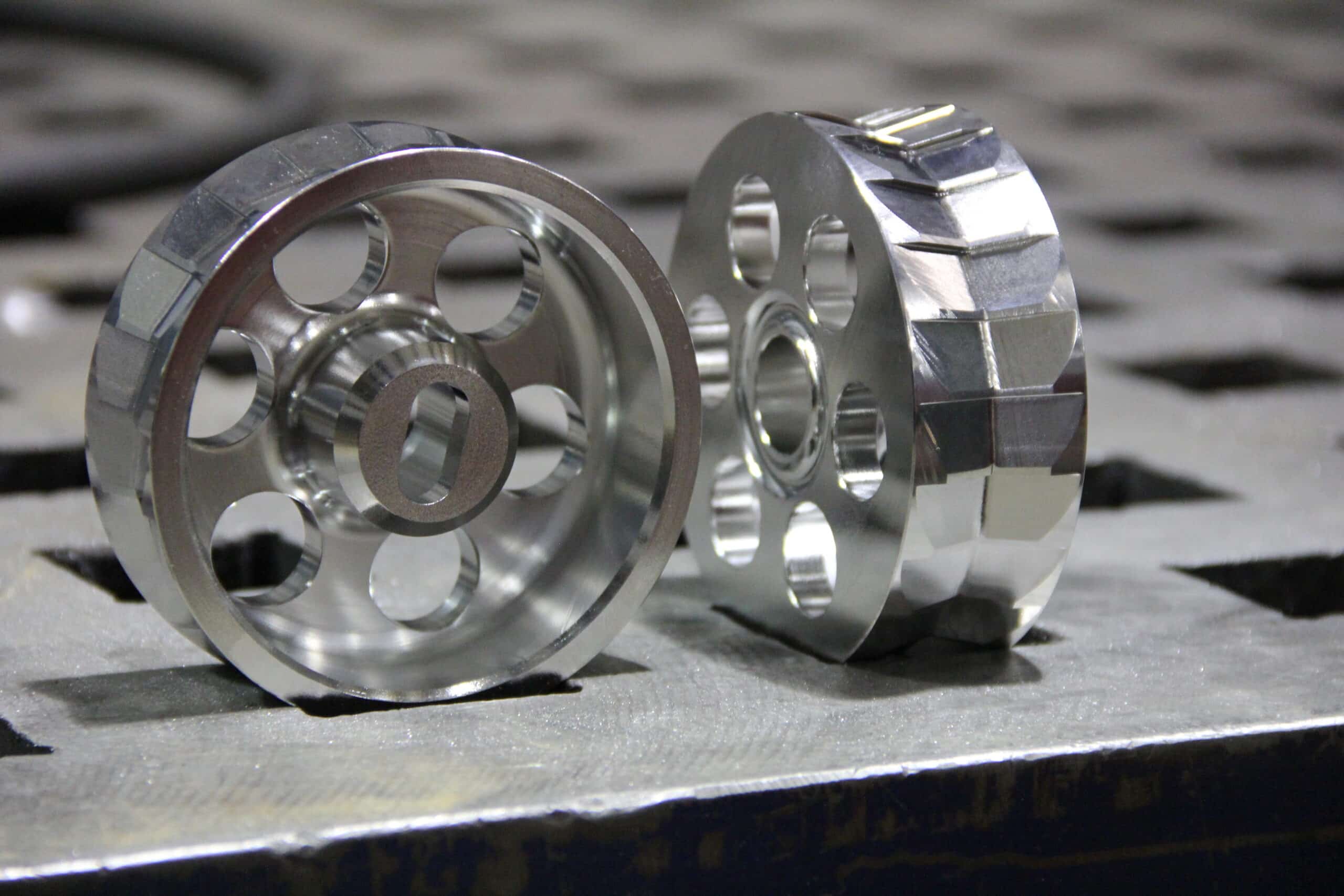
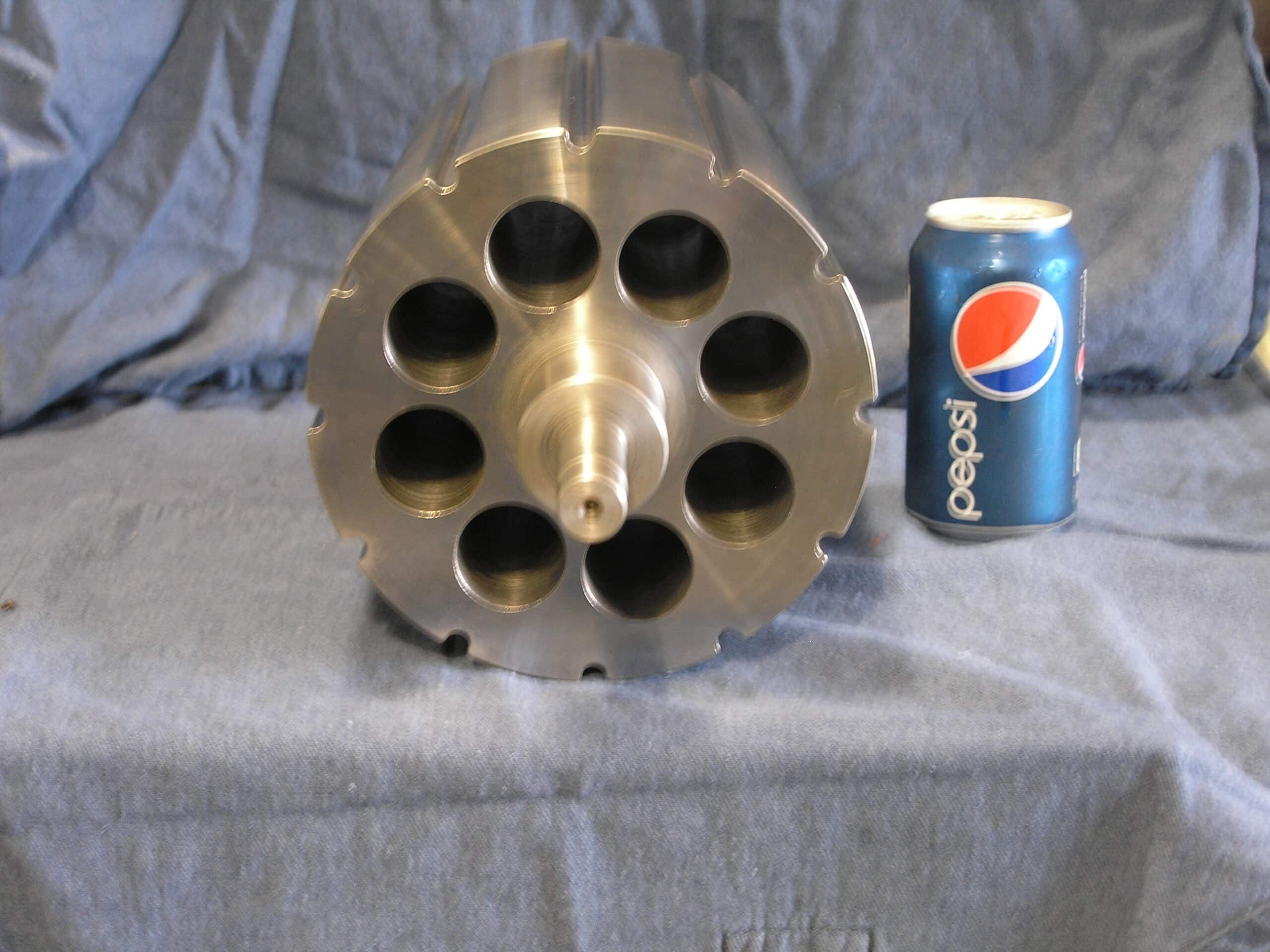
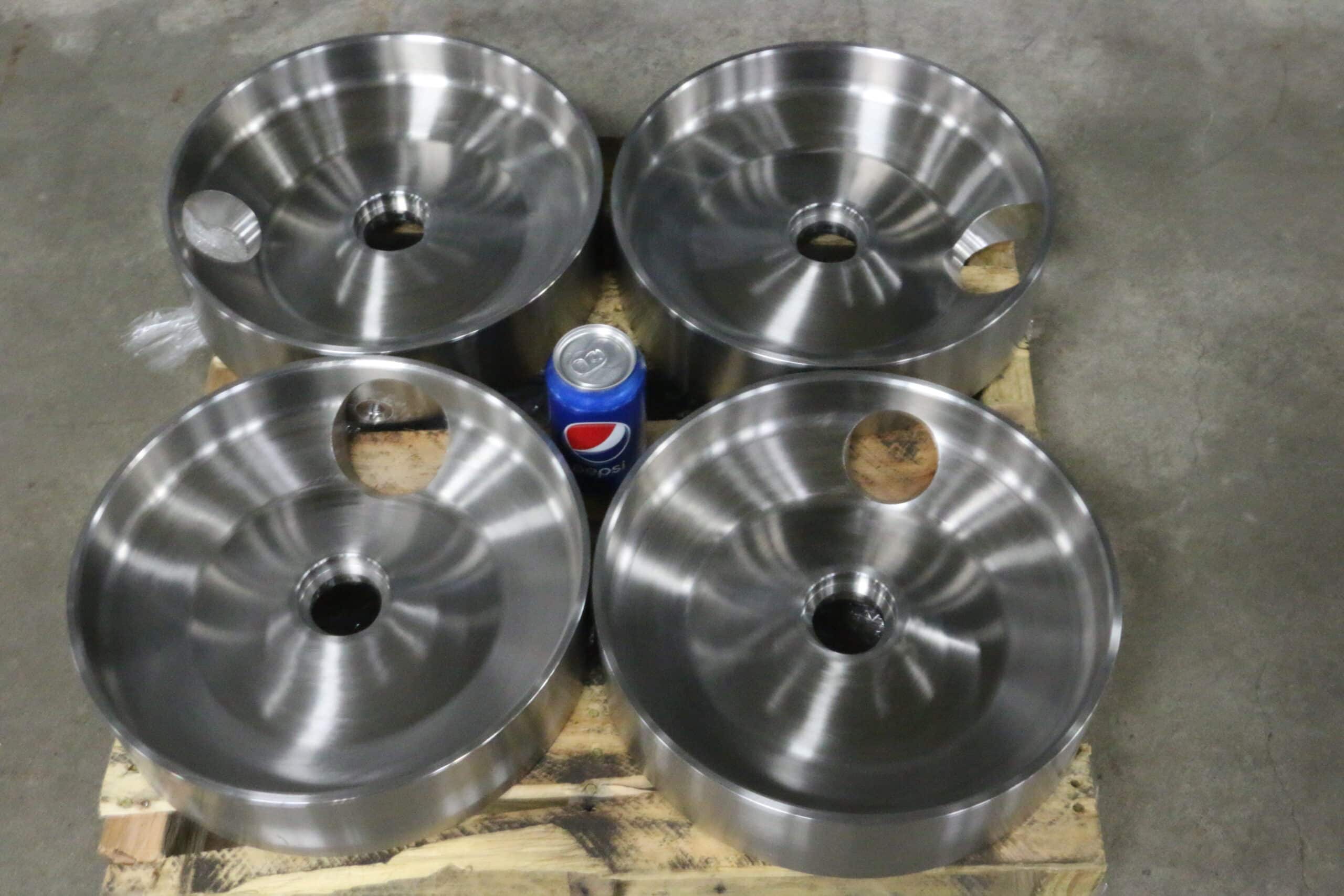
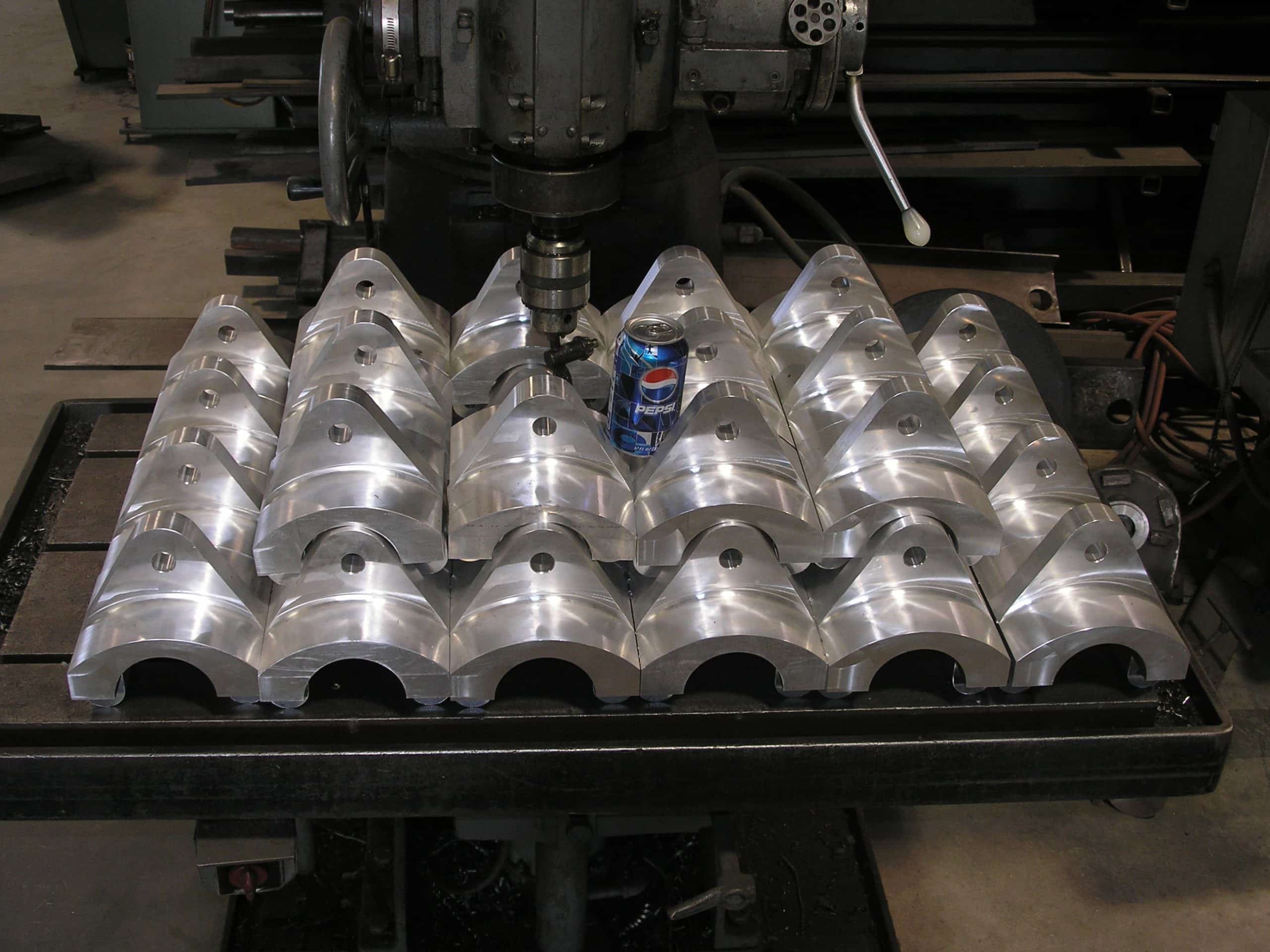
Heavy equipment parts share a few traits. They tend to be big. They tend to be made from tough materials. And they tend to be expensive when they go down. CNC machining for heavy equipment parts is the process of building those components on multi-axis CNC mills, lathes, and turning centers, using equipment sized to handle the work without splitting it across multiple shops.
You will use this kind of CNC work for:
- Production parts on new equipment builds
- Replacement parts for legacy fleet machines
- Hard-to-find components from OEMs that no longer support older models
- Custom modifications to standard parts for specialized field conditions
The right shop handles all four without subbing the work out.

Sized for Heavy Equipment Work
Heavy equipment parts often outgrow the typical job-shop envelope. The Lindsay floor is built around that.
- Vertical milling centers up to 32 inches by 120 inches for large housings, brackets, and weldment machining
- 5-axis CNC turning up to 26-inch OD by 80 inches long with live tooling and a sub spindle
- Engine lathes up to 39-inch OD by 240 inches long for long shafts, rolls, and pins
- Vertical turning lathe up to 57-inch OD for large rotating parts
- Horizontal boring mill with CNC retrofit for line boring and deep features
- Gundrilling up to 1 inch OD by 40 inches deep for hydraulic and pin bores
If you have a part that other shops cannot fit on a table, send the dimensions. There is a good chance it lands on a machine here.
Tough Materials, Matched to the Application
Heavy equipment parts depend on the right material as much as the right geometry. You can supply the metal or have it sourced through the shop with documentation.
- Carbon and alloy steels for shafts, gears, pins, and structural parts
- Tool steels for high-wear surfaces
- Stainless steel for corrosion resistance in ag and mining environments
- Bronze for bearing and bushing surfaces
- Aluminum where weight matters
- Engineering plastics for wear strips and seals
Material certifications stay on file with the job, so you have traceability when you need it.
Common Heavy Equipment Parts We Machine
A short list of parts the team sees most often:
- Hydraulic cylinder rods, glands, and pistons
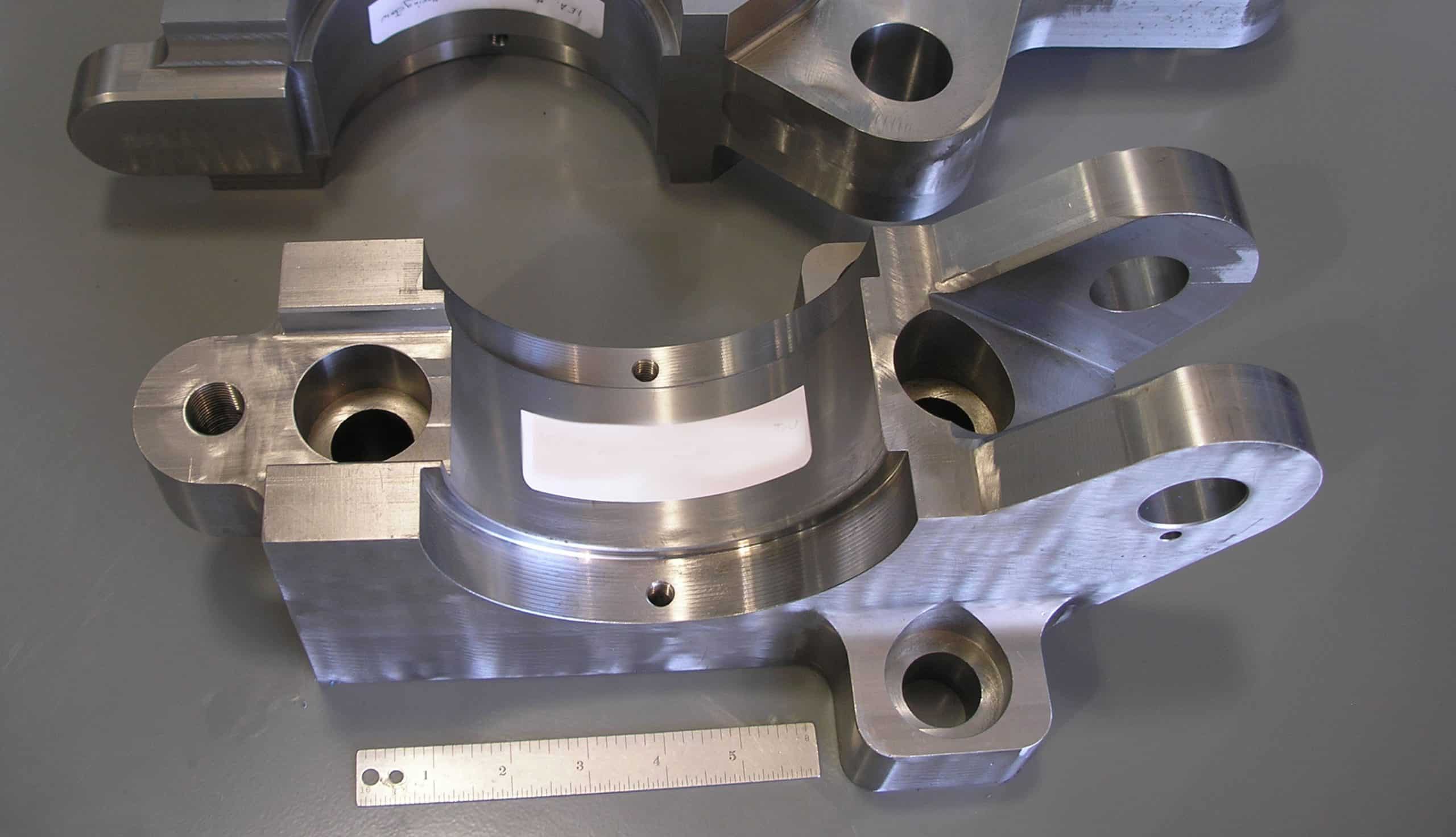
- Pivot pins, bushings, and bearing housings
- Drive shafts, axle components, and couplings
- Gear blanks and sprockets
- Wear plates, bushings, and sleeves
- Rolls, drums, and large machined cylinders
- Custom brackets and weldment-ready machined components
If a part lives on a piece of agricultural, mining, or construction equipment, there is a strong chance it has run through the shop before.
How a Heavy Equipment CNC Project Moves
The process is designed to fit the way your maintenance team or engineering group already works.
Industries We Serve
Heavy equipment parts cross several industries. The shop most often supports:
- 1
Construction
- 2
Military and defense
- 3
Energy and utilities
- 4
Food processing
- 5
Manufacturing and OEM equipment builders
- 6
Printing and packaging
- 7
& More
Read more about how the team supports manufacturers and OEMs on our OEM parts and metal fabrication for manufacturing page.
Why Heavy Equipment Buyers Choose Lindsay
You can trust the work because the shop is set up for it. Lindsay Machine Works has been producing precision parts for more than 30 years, with more than 80 machines in a 35,000 square foot facility. The mix of large-envelope CNC equipment, manual machining for the biggest work, and a dedicated inspection area is what makes heavy equipment parts feasible under one roof.
That setup matters when downtime is measured in thousands of dollars per hour. You get capacity, accountability, and one point of contact instead of a chain of vendors.
Service Area
The shop is located at 4023 N. Cobbler Road in Independence, Missouri, just outside Kansas City. You can find Lindsay parts on equipment running across Missouri, Kansas, the greater Kansas City metro, and across the country. Heavy equipment parts ship nationwide, and the team supports both OEMs and repair facilities.
Get Your Heavy Equipment Part Quoted Today
If you have a heavy equipment component on a print, a drawing on a desk, or a failed part sitting in a service bay, the team is ready to take a look. Send what you have, and you will get a quote, a lead time, and clear answers fast.