
CNC Machining for Aluminum Parts
Built With the Precision Your Design Calls For
You picked aluminum for a reason. It is light, machinable, and corrosion resistant, and it lets you build parts that simply do not work in steel. To get the most out of it, you need a shop that understands how each grade behaves under a cutter, how to keep the work cool, and how to hold tolerances on thin walls without chatter or distortion.
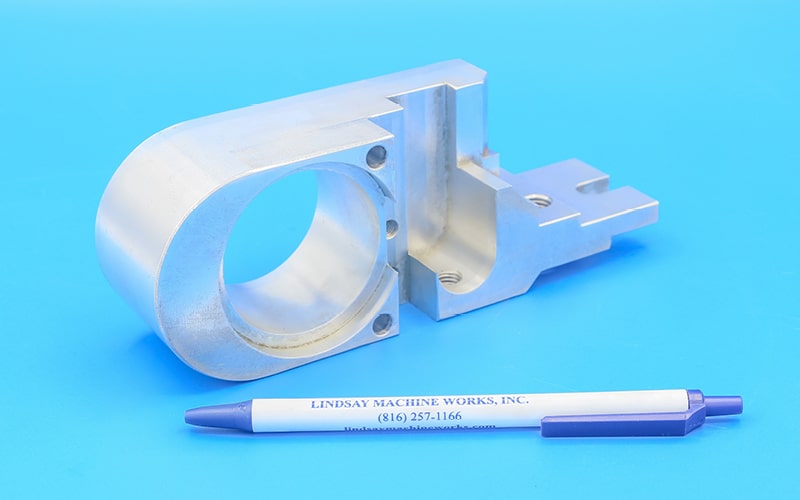
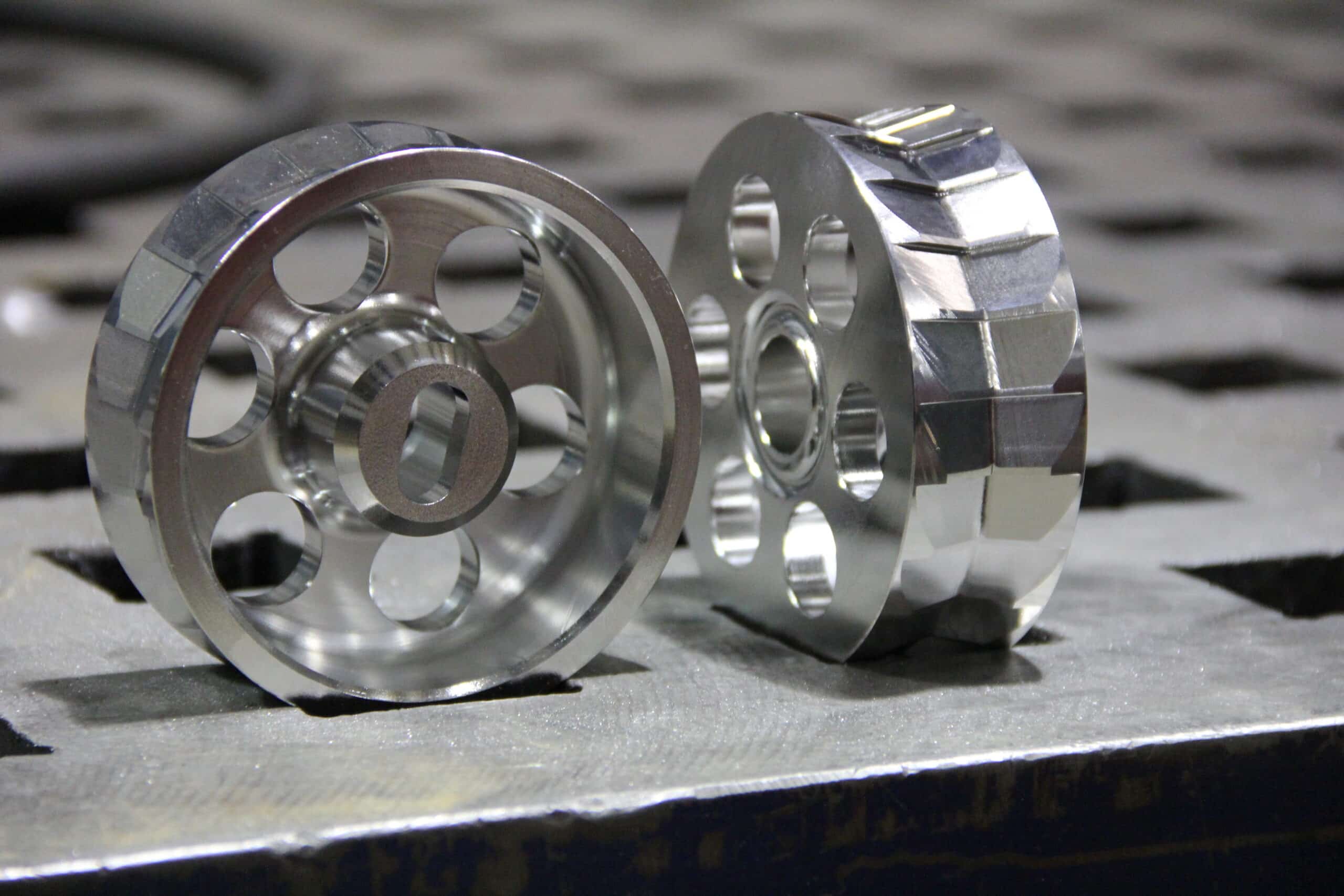
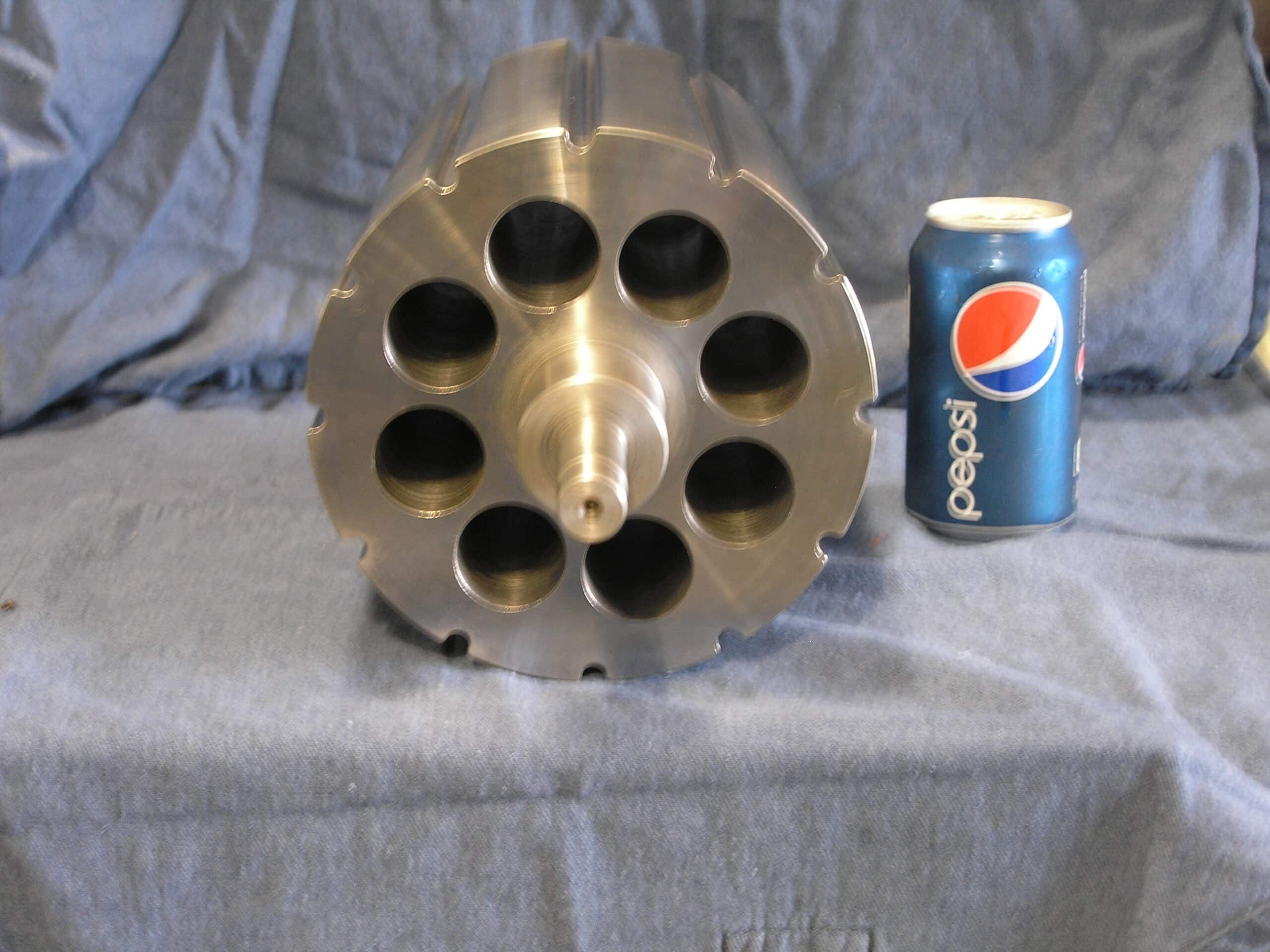
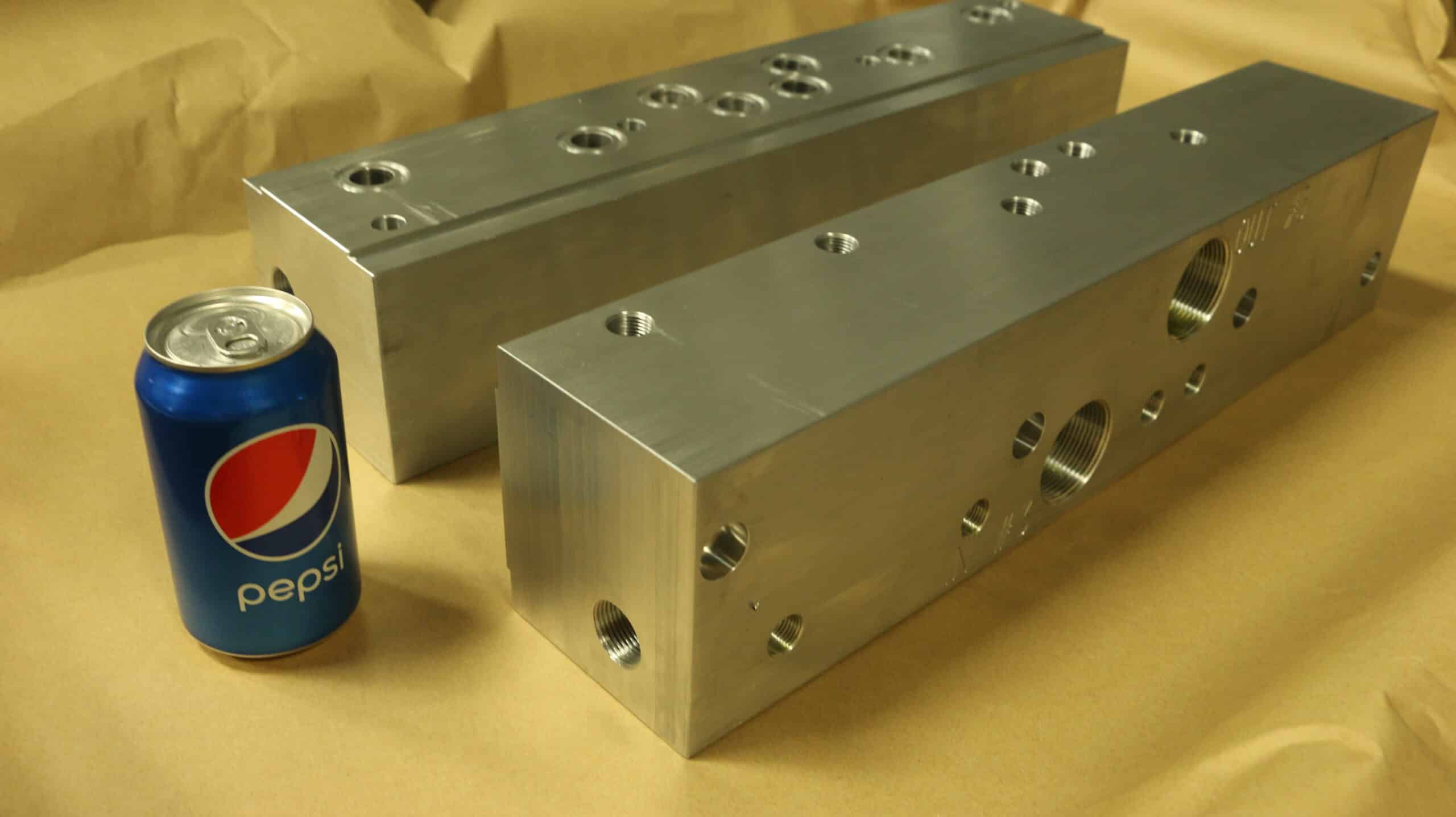
Lindsay Machine Works runs CNC machining aluminum work every week, from one-off prototypes to ongoing production for OEM customers. The shop is set up with the speeds, fixtures, and inspection discipline to deliver aluminum parts that look the way your engineering team drew them.
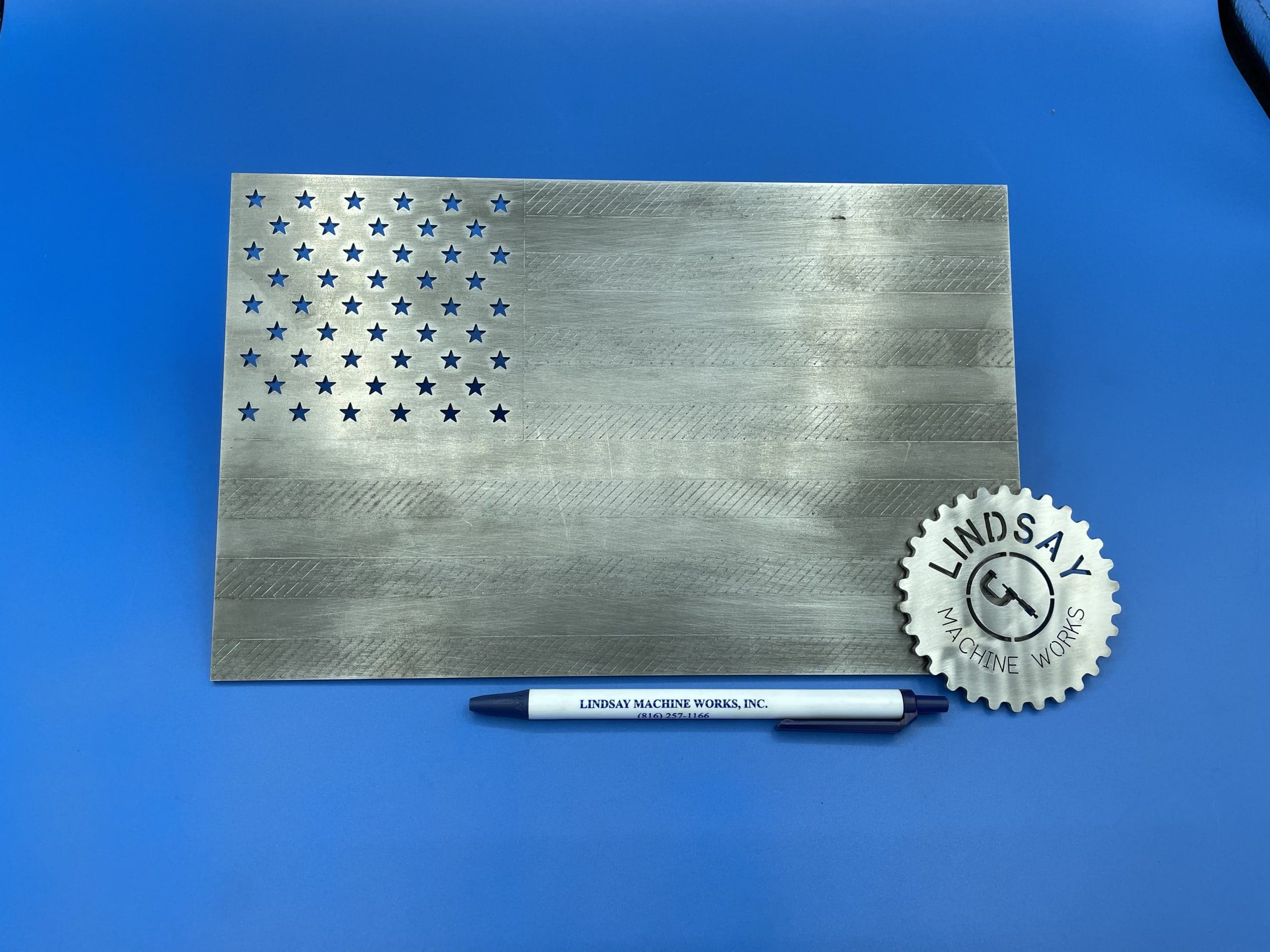
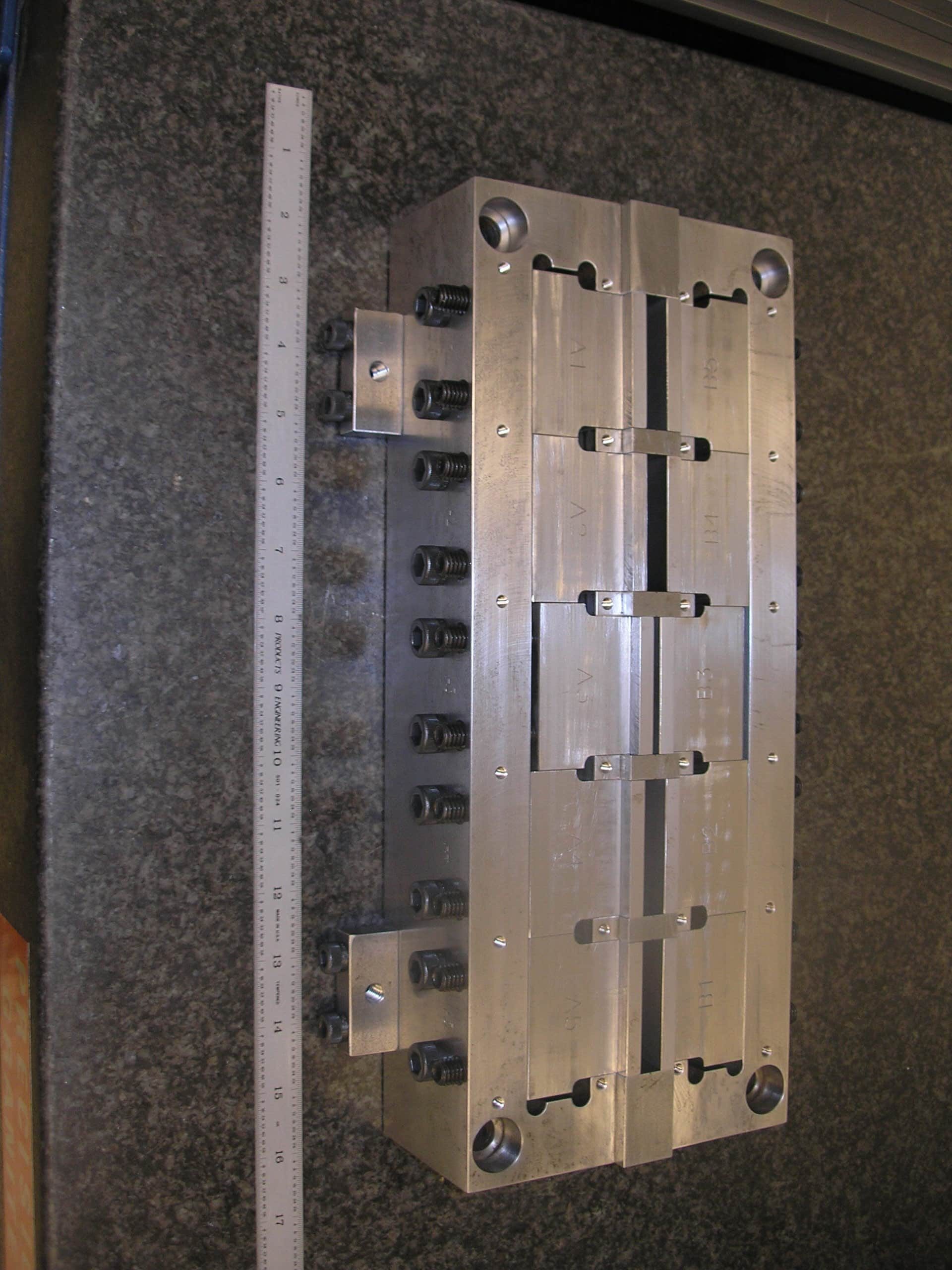
Why Aluminum Belongs in a Precision Machine Shop
CNC machining aluminum looks easy from the outside. The cuts are fast. The chips come off clean. The problem is that aluminum is also unforgiving. Heat builds up quickly, thin walls deflect, and softer grades grab tools if speeds and feeds are not dialed in.
A precision shop manages those variables on purpose. That means high-RPM spindles paired with the right toolpaths, coolant strategies that keep the work stable, and fixturing that supports the part without distorting it. The result is a finished aluminum part that holds tolerance, looks clean, and is ready to anodize, paint, or assemble.
Aluminum Grades We Machine
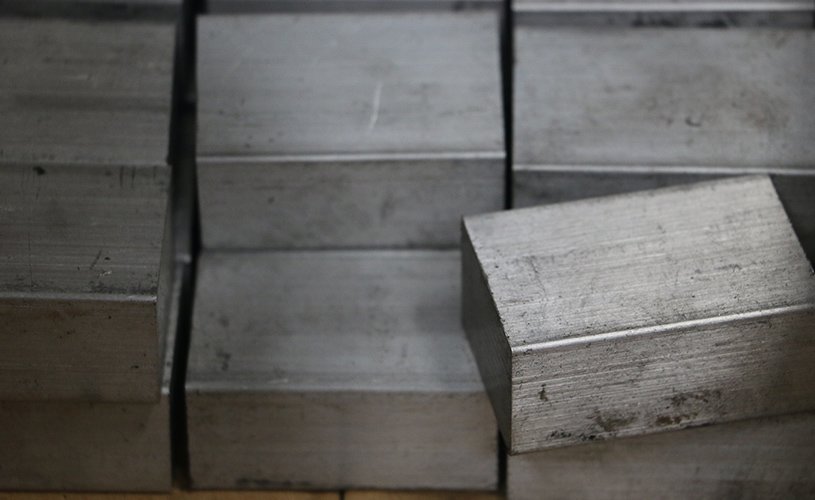 You can specify any of the common machining grades, or send the spec and the team will source it. Each grade has its own personality, and the right choice depends on the application.
- 6061-T6: The workhorse grade. Good strength, excellent machinability, weldable, and easy to anodize. Common in brackets, plates, enclosures, and general structural parts.
- 6063: Softer than 6061, with a cleaner extruded finish. Used for trim, frames, and parts where anodized appearance matters more than strength.
- 7075-T6: High-strength aluminum used in aerospace, defense, and high-load tooling. Machines well but costs more and is less corrosion resistant than 6061.
- 2024-T3 and T351: Strong and fatigue resistant. Common in aerospace structural parts. Machines run cleanly with the right speeds.
- 5052: Excellent corrosion resistance, often used in sheet form for marine and chemical applications.
- MIC-6 cast plate: Pre-stabilized cast aluminum. Used for jig plates, fixture bases, and any part where flatness matters out of the box.
- Cast aluminum: Bridges and reinforcements where porosity and inclusions are common. Programs and feeds are adjusted to handle inconsistent material.
When the grade is critical, material certifications stay on file with the job.
Feeds, Speeds, and How the Shop Approaches Aluminum
Aluminum rewards aggressive parameters when the rest of the setup is right. Spindle speeds, chip load, and coolant all have to line up.
Here is how the shop approaches it on a typical 6061 job:
- High-RPM spindles paired with sharp, polished-flute end mills to keep chips evacuating
- Climb milling on most features to leave a cleaner finish and reduce work hardening
- Trochoidal toolpaths in deeper pockets to control heat and tool load
- Flood coolant or air blast, depending on the geometry
- Workholding designed to support thin walls without clamping marks
For 7075 and 2024, feeds come down slightly, and tool selection shifts to handle the higher strength. For MIC-6 and cast aluminum, the team programs around the material’s tendency to vary.
You do not have to know any of this to send a print. The point is that aluminum has knobs that need to be turned, and the shop knows where they are.
Common Aluminum Applications
CNC-machined aluminum parts show up almost everywhere you find a precision assembly. The shop produces aluminum work for:
If your part fits one of these patterns or sits somewhere in between, you can send the drawing for a quote.
Industries We Build Aluminum Parts For
Aluminum work shows up across most of the customer mix:
- 1
Construction
- 2
Military and defense
- 3
Energy and utilities
- 4
Food processing
- 5
Manufacturing and OEM equipment builders
- 6
Printing and packaging
- 7
& More
Read more about how the team supports manufacturers and OEMs on our OEM parts and metal fabrication for manufacturing page.
CNC Capabilities Behind Every Aluminum Part
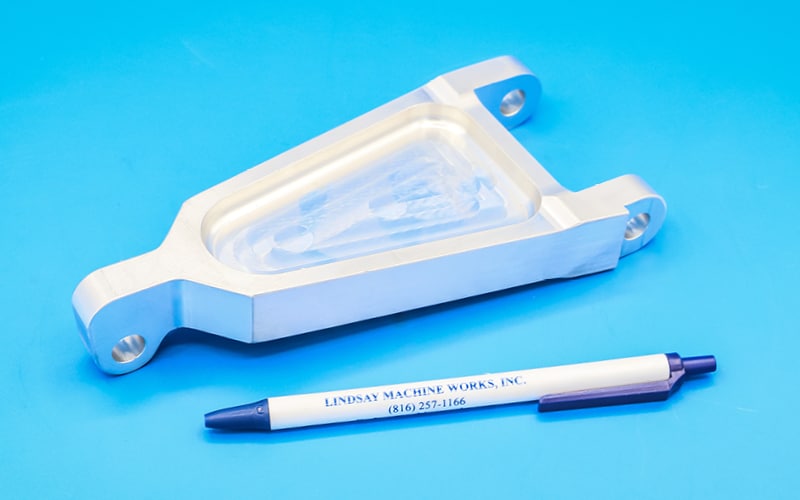
Aluminum work runs across most of the floor. The capability that matters most for your part depends on the geometry.
- 5-axis CNC milling on vertical machining centers up to 32 inches by 120 inches for complex housings and brackets
- 4-axis CNC milling for multi-sided aluminum parts
- 5-axis CNC turning with live tooling and a sub spindle for turned aluminum parts that need milled features in one setup
- Surface grinding up to 17 by 24 inches when flatness on plate parts has to be tight
- In-house cutting on fiber laser and waterjet for sheet and plate prep
Finishing services like anodizing, painting, and powder coating are coordinated through trusted partners when your part needs a final color or surface.
Quality and Inspection
Aluminum parts have to be measured carefully. The metal expands and contracts with temperature, and clamping pressure can throw off thin-wall features. Every aluminum job moves through a climate-controlled inspection area, with a Starrett AV350 vision and probe system, calibrated micrometers, and digital height gauges measuring the parts against the print. First article inspection reports and material certifications are available when you need them.
Why Buyers Choose Lindsay for Aluminum Work
You are choosing a process as much as a part. Lindsay Machine Works has been producing precision components for OEMs and end users for more than 30 years, with more than 80 machines in a 35,000 square foot facility. The mix of multi-axis CNC equipment, grinding, fabrication, and a dedicated inspection area covers most aluminum projects in one building.
That means cleaner handoffs, tighter quality control, and shorter lead times on the parts you would otherwise have to coordinate across vendors.
Service Area
The shop is located at 4023 N. Cobbler Road in Independence, Missouri, just outside Kansas City. CNC machined aluminum parts ship across the country, and the team supports OEMs, contract buyers, and end users from the greater Kansas City metro to the rest of the United States.
Get Your Aluminum Part Quoted Today
If you have an aluminum part on a print, a 3D model, or even a rough sketch, send what you have. You will get a quote, a lead time, and clear answers fast.