The benefits of custom metal fabrication show up on your assembly floor: parts that fit the first time, fewer vendors to manage and reorders that match the last build. For OEMs, those benefits add up to steadier schedules and fewer surprises. This post walks through five benefits that matter most to engineers and purchasing managers, plus when custom fabrication makes sense for your equipment.
If you’re ready to quote a part now, see our custom metal fabrication services for the full list of cutting, forming, welding and machining capabilities.
 Custom Fabrication Use Cases for OEMs
Custom fabrication makes sense when a catalog part won’t do the job. That usually means the part has to match your equipment, your drawing or a component that is no longer available.
Common examples include frames and bases for a new machine, guards and enclosures sized to your layout, brackets that tie two assemblies together and replacement parts for worn or obsolete equipment. If you’re not sure where fabrication fits in, this guide to what metal fabrication is covers the basics.
Five Benefits of Custom Metal Fabrication
Each of these benefits comes from building the part to your print in a shop that controls every step.
1. Parts Built to Your Drawing
A custom fabricated part starts with your drawing, not a catalog. Hole patterns, bend locations, weld callouts and finish notes are built the way your print shows them. That means the part bolts into your equipment instead of forcing a workaround on the line.
2. Fewer Vendor Handoffs
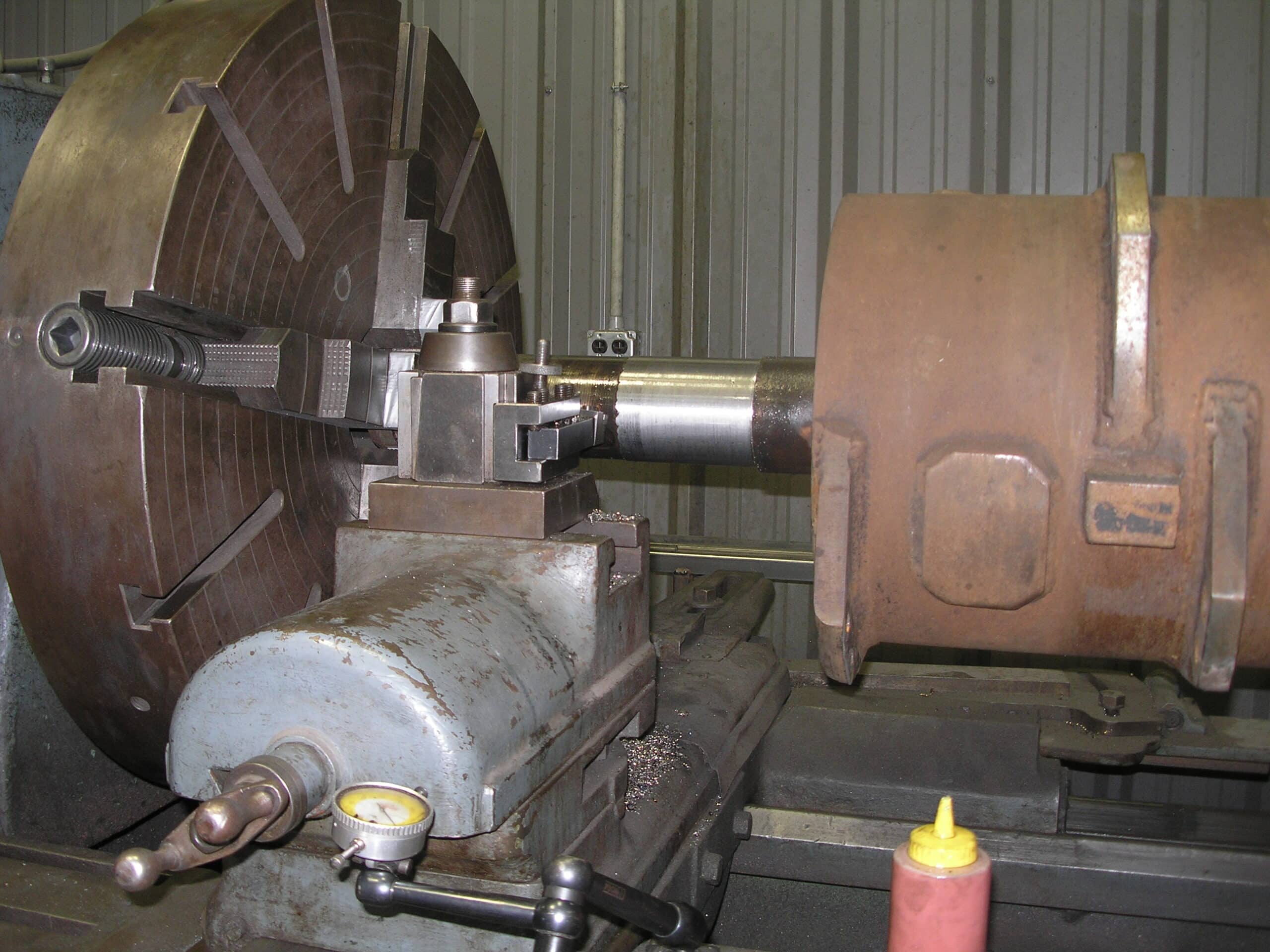
Every handoff between a burn shop, a weld shop and a machine shop adds shipping, scheduling and another chance for a part to drift from the print. When cutting, forming, welding and machining happen in one building, you get one quote, one purchase order and one shipment. Lindsay Machine Works, Inc. runs more than 80 machines in a 35,000 square foot facility for exactly that reason.
3. Repeat Orders That Match the First Run
OEM programs live on repeat releases. Once a first article is approved, programs, setups and build notes stay on file. Your next order is built the same way as the last, which keeps fit-up consistent on your assembly floor.
That consistency also makes planning easier. When you know each release will match the approved part, you can schedule assembly around it instead of padding for rework.
4. The Right Process for Each Part
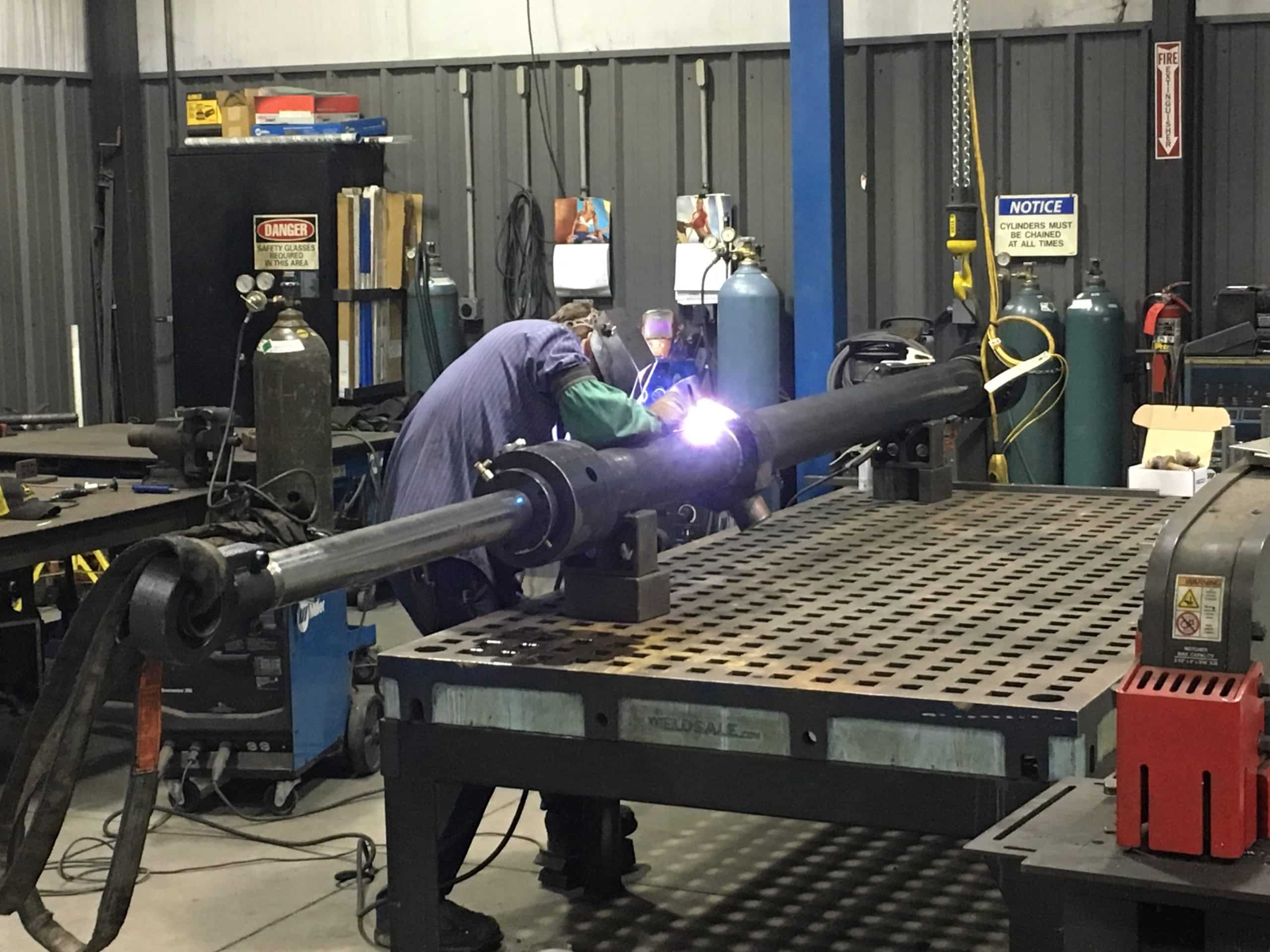
A shop with several cutting and forming options can choose the process that fits each part. Lindsay Machine Works cuts on fiber laser, abrasive waterjet and high-definition plasma equipment, forms parts on press brakes and rollers, and welds with MIG, TIG and stick. Thin brackets, heavy base plates and rolled rings can all come from the same floor.
That flexibility also helps when a design changes. If a part moves from thin sheet to heavier plate, the job does not have to move to a new vendor.
5. Inspection Against Your Print
Custom parts are only useful if they match the drawing. Inspection happens throughout the job in a temperature-controlled area, using a CNC vision and probe system, a coordinate measuring machine (CMM) and calibrated hand gauges. First articles are checked before the rest of the run moves forward.
Common Custom Fabricated Parts for OEMs
Most custom fabrication work for OEMs falls into a few familiar groups. Each one is built to the buyer’s drawing and checked against it before shipping:
- Brackets, fixtures and mounts
- Frames, machine bases and structural supports
- Enclosures, housings and covers
- Guards, plates and panels
- Platforms, hoppers, chutes and racks
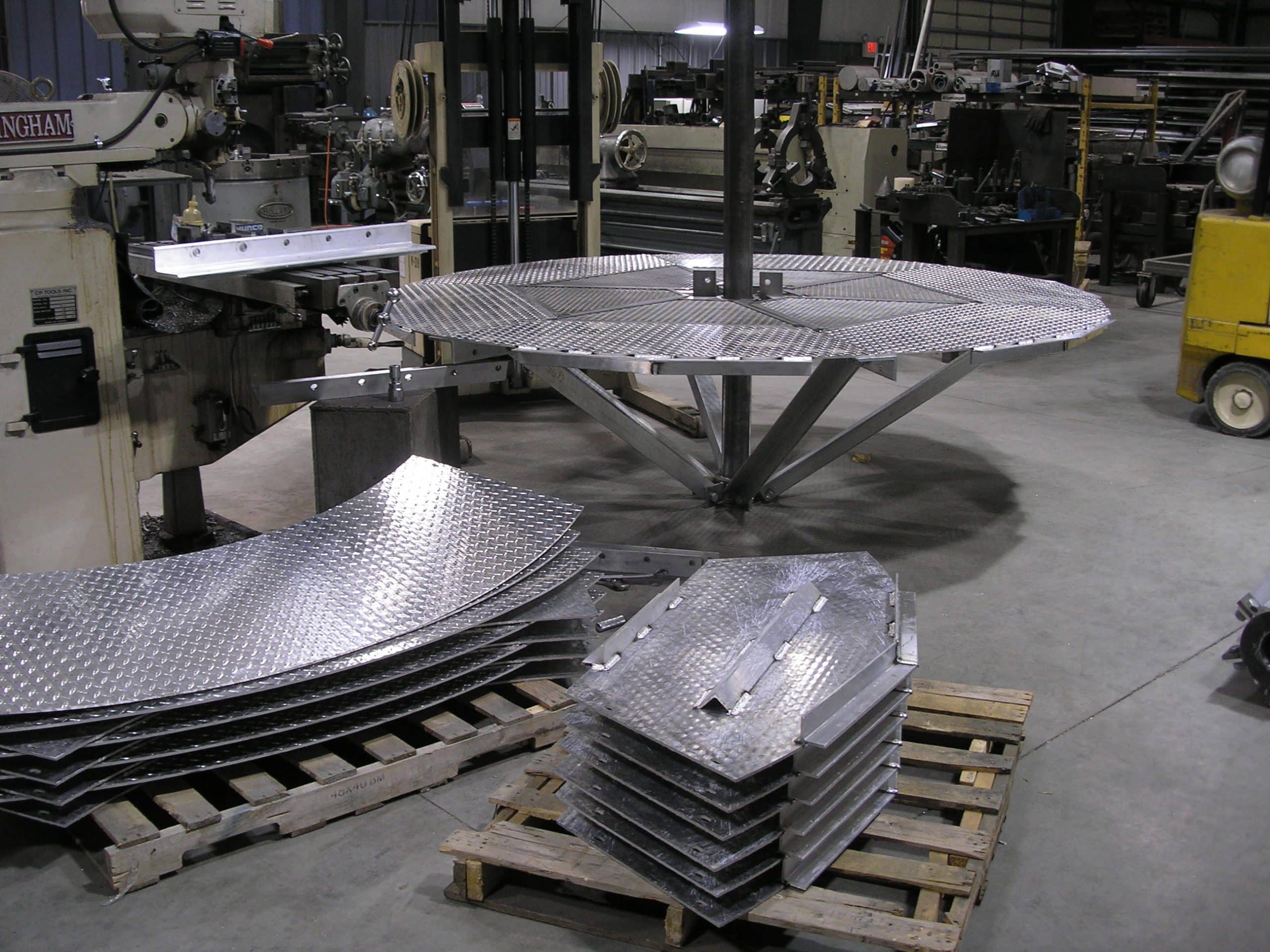
- Rolled rings, barrels and curved sections
Many of these parts combine several processes. A machine base, for example, may be plasma cut, formed on a press brake, welded and then machined flat on its mounting faces. When every step happens in one shop, the part stays referenced to the same drawing from start to finish.
Prototypes, Pilot Builds and Production
Custom fabrication supports the whole life of an OEM product. A prototype can be built from a first drawing, a pilot build can follow once the design is tested, and production releases can run on the same setups.
Keeping those stages in one shop means lessons from the prototype carry into production. Fit-up notes, weld sequence and fixture choices stay with the job instead of starting over at a new vendor. For assemblies, weldments and frames built to OEM drawings, see OEM custom fabrication.
 Replacement Parts for Worn or Obsolete Equipment
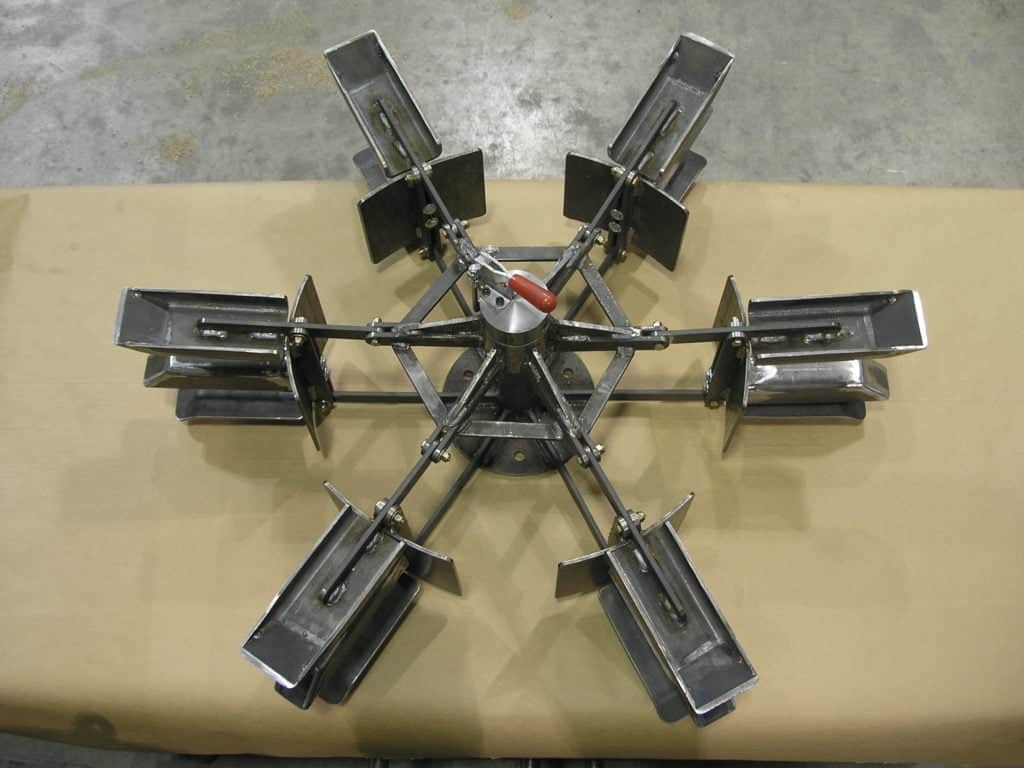
Custom fabrication also keeps older equipment running. When an original part is worn out or no longer made, a fabricated replacement can be built from a drawing, a sample or the worn part itself.
That can keep a line in service without waiting on a long lead time from the original builder. It also gives you a drawing and a setup on file, so the next replacement is easier to order. Lindsay Machine Works builds replacement parts for many industries, and its OEM parts fabrication and manufacturing work covers short runs, replacement parts and factory equipment repair.
Quote Checklist for Custom Fabrication
A complete request gets you a faster, more accurate quote. It also cuts down on back-and-forth questions before the job can start. Try to include:
- A PDF drawing or CAD file, or a clear photo of the part
- Material type, grade and thickness
- Quantity, plus whether you expect repeat orders
- Your due date
- Tolerance, weld, finish and inspection notes
If you only have a worn part or a paper sketch, send that too. Sample parts and paper drawings are accepted, which helps on replacement and legacy parts.
Talk to Lindsay Machine Works About Your Next Part
Lindsay Machine Works, Inc. builds custom fabricated parts and assemblies in Independence, Missouri, and ships to customers across the United States. Request a quote with your drawing, or call (816) 257-1166 to talk through your project.
Custom Metal Fabrication FAQs
What Are the Benefits of Custom Metal Fabrication for OEMs?
The main benefits are parts built to your drawing, fewer vendor handoffs and repeat orders that match the first run. A shop that cuts, forms, welds, machines and inspects in one building also keeps your parts on one schedule.
How Is Custom Fabrication Different from Buying Off-the-Shelf Parts?
Off-the-shelf parts come in fixed sizes and shapes. Custom fabricated parts are built to your print, so hole patterns, bends and weld details match your equipment. That matters when a standard part would need modifying before it fits.
Can Custom Fabrication Replace Parts for Obsolete Equipment?
Yes. A replacement can be built from a drawing, a sample or the worn part itself. That can keep older equipment in service when the original part is no longer available.
What Processes Go Into a Custom Fabricated Part?
Most custom parts combine cutting, forming and welding, and many also need machining. At Lindsay Machine Works, that includes fiber laser, waterjet and plasma cutting, press brake forming, rolling, MIG, TIG and stick welding, and CNC machining.
Does Lindsay Machine Works Build Prototypes as Well as Production Parts?
Yes. Prototypes, pilot builds, short runs and repeat production orders all run on the same floor. Programs and setups stay on file, so repeat orders match the approved first article.