When a piece of industrial equipment goes down, the first instinct is usually to find a replacement part as quickly as possible. That makes sense. Downtime is expensive, and getting the line moving again is the priority. What is easier to overlook is how much the quality of that replacement part shapes what happens over the next six months, the next year, or the next ten years of equipment life.
 A part that is close enough to fit will get you running today. A part that is precision-machined to the original spec will keep you running. The difference between those two outcomes almost always comes down to how the replacement was made, not just where it came from.
Let’s take a closer look at what precision machining actually means in the context of custom-fabricated OEM replacement parts and why it matters so much for reliability. If you are ready to put a specific replacement in motion, our OEM Replacement Parts service page details capabilities, materials, and lead times.
What “Custom Fabricated” Really Means
The phrase custom-fabricated OEM replacement part gets used loosely. In a serious machine shop, it has a specific meaning. It describes a part that is built one at a time, or in small batches, to match the form, fit, and function of an original equipment manufacturer’s component, even when the OEM no longer makes it.
- That can apply to:
- Legacy machinery where the original supplier has discontinued the part
- Equipment that has been modified over the years and no longer matches stock components
- Specialty machines built in small volumes that never had a wide aftermarket
- Critical parts where a stock replacement would meet most of the specs, but not all of it
In each of these cases, an off-the-shelf part is either unavailable or risky. A custom-fabricated replacement, machined to the actual measurements of the part you are replacing, is the dependable path forward.
Why Precision Machining Is the Foundation
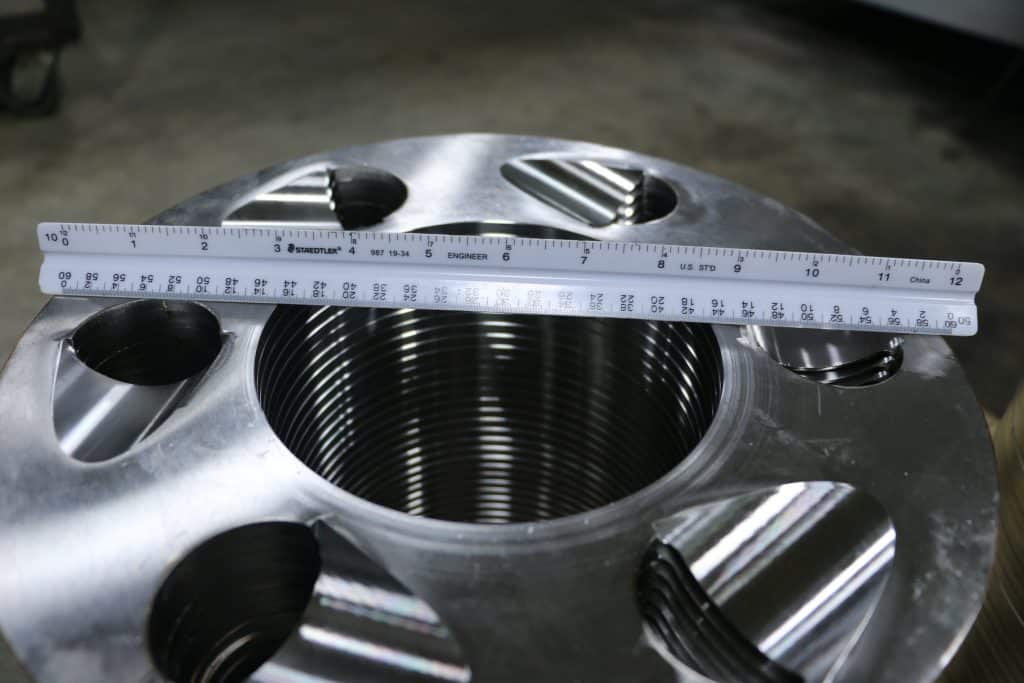
Precision machining is the process of removing material from a workpiece in carefully controlled amounts to hit specific dimensions, tolerances, and surface finishes. On modern equipment, those dimensions are held to a few thousandths of an inch, sometimes tighter. That level of control is what separates a true replacement from a part that simply looks the same.
Three things make precision machining the foundation of a reliable OEM replacement.
Tolerances control how parts interact
Industrial equipment is a system of moving parts that depend on each other. A shaft has to spin freely inside a bearing, but not so freely that it wobbles. A mating surface has to seal under pressure, but not bind under heat. A fastener has to thread in cleanly without stripping or loosening.
Each of those interactions is governed by tolerance — how much variation from the nominal dimension is acceptable before the part stops working as intended. Precision machining is what allows a shop to hit those tolerances consistently. A part machined a few thousandths off the original spec might still drop in, but it can throw off vibration, alignment, sealing, or wear in ways that show up later as another failure.
Surface finish drives wear and fatigue
Two parts can share the same dimensions on a print and still behave very differently in service if their surface finishes do not match. A shaft running in a bushing, a piston sealing in a bore, or a roller pressing against a substrate all rely on the texture of their working surfaces. Too rough, and parts wear faster than expected. Too smooth in the wrong place, and lubrication breaks down.
Precision grinding, honing, and turning operations let a shop dial in the right finish for the application, not just the right size. That detail is invisible at a glance, but it is one of the biggest reasons OEM replacements either last as long as the original or fail early.
Repeatability protects future runs
A one-off replacement is useful when something breaks. A repeatable replacement is useful for the next ten years. CNC programming, fixturing, and inspection records mean the same part can be produced again later with the same dimensions, the same materials, and the same finish. That consistency is what turns a single fix into a reliable spare-parts plan.
 What Goes Wrong Without Precision
It is worth being specific about the failure modes that show up when a replacement part is made without enough precision. These are the patterns maintenance teams see most often when a “close enough” part is installed:
- Premature bearing failure caused by a shaft that is slightly out of round or oversized at a journal
- Leaks at flanges or seals because mating surfaces were not machined flat enough
- Galling and seizing on threaded components produced from the wrong material grade
- Vibration and noise in rotating assemblies due to imbalanced or off-center features
- Misalignment of downstream components when a single part is dimensionally off
None of these problems show up on day one. They show up two months later, often after the original failure has been forgotten, and they tend to be blamed on something other than the replacement part itself. That is part of why investing in precision up front quietly pays back over the life of the equipment.
How to Tell a Precision Shop From a “Job Shop”
Not every shop that machines metal is set up to deliver true OEM-grade replacements. A few things separate a precision shop from a more general operation:
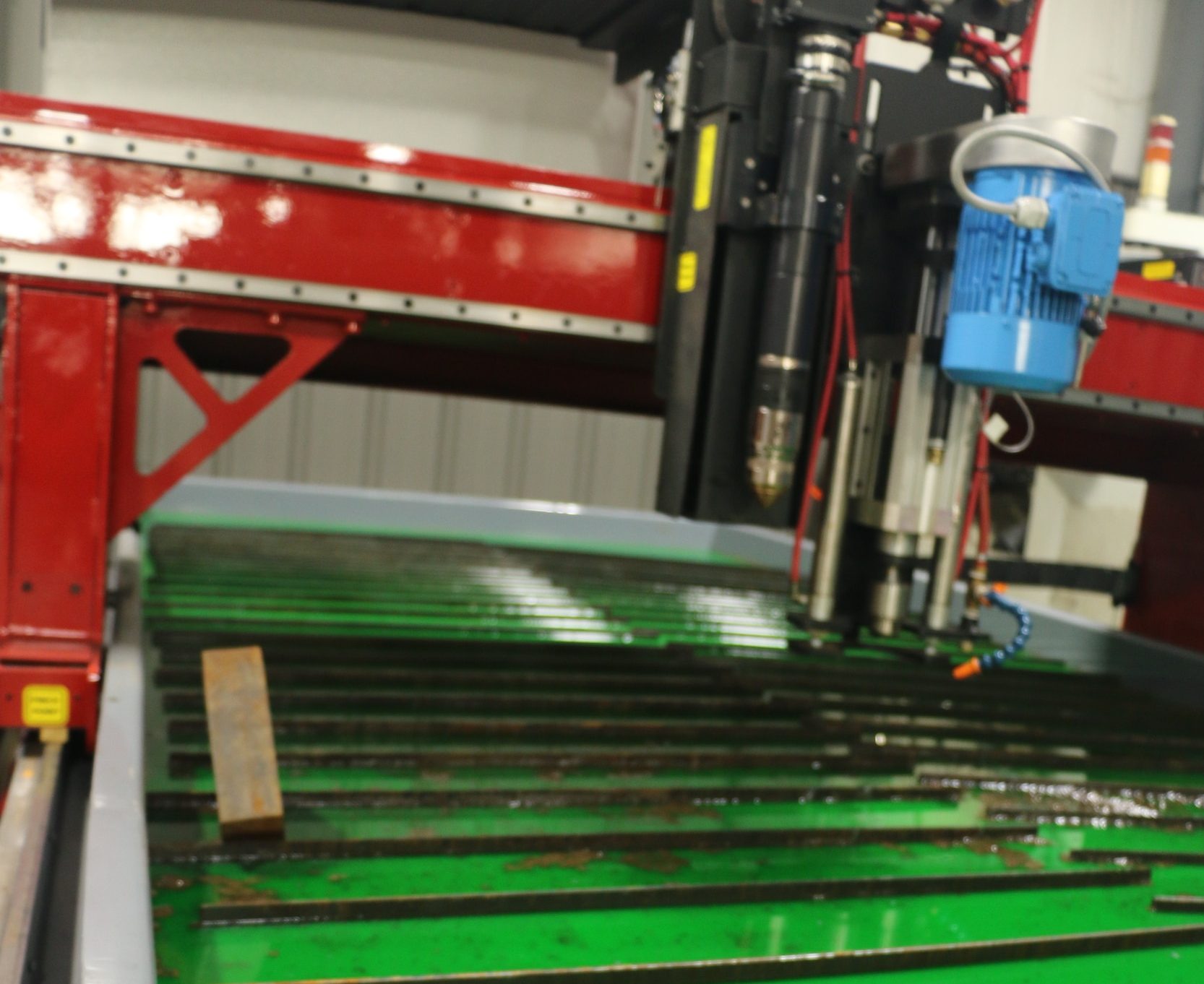
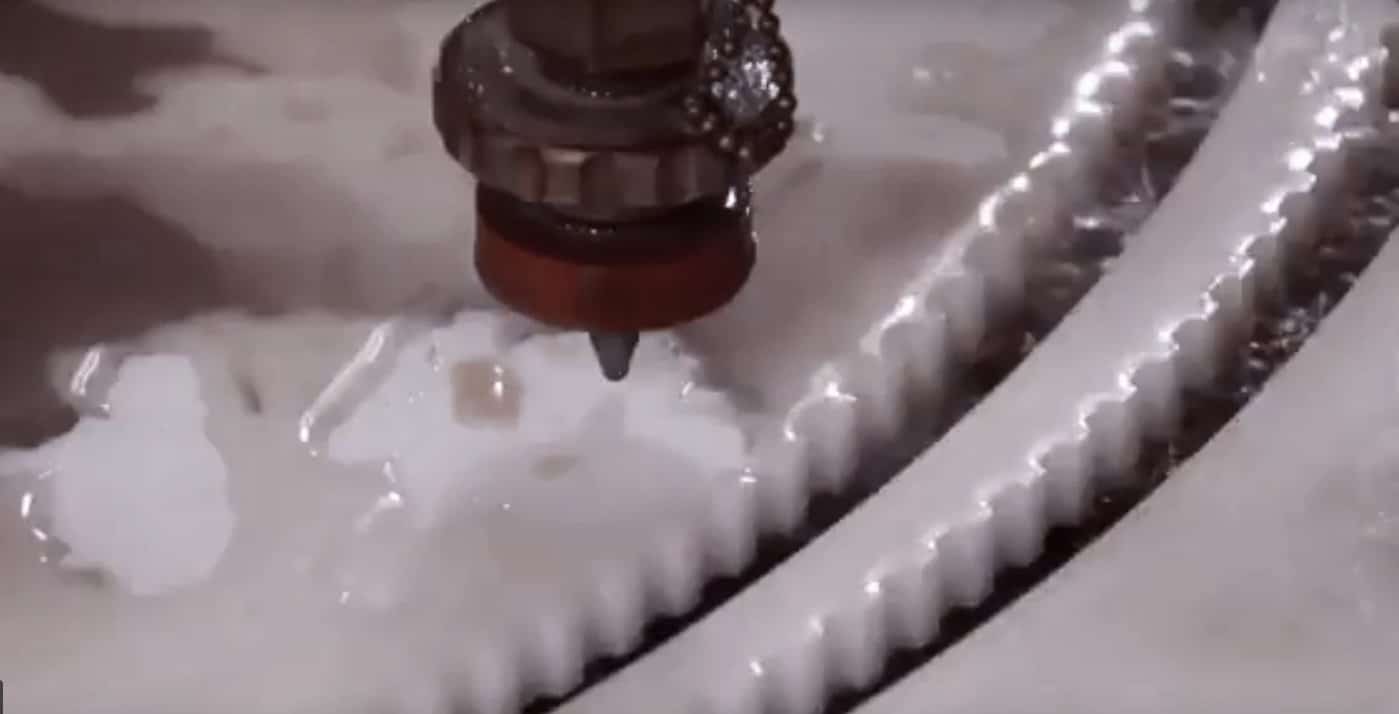
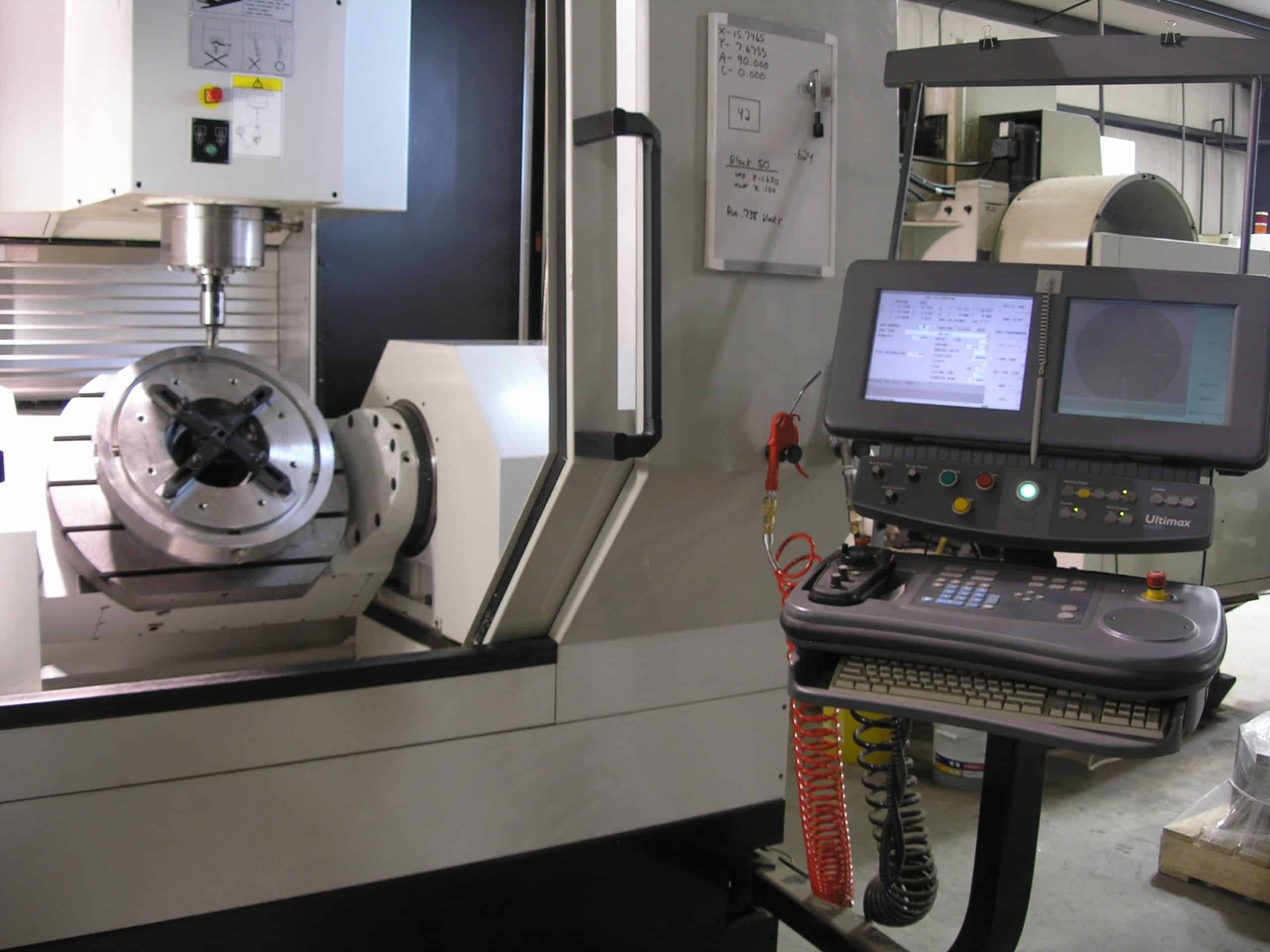
- A range of machines sized to the work, including 5-axis milling, CNC turning, grinding, and large-format equipment
- A dedicated, climate-controlled inspection area with calibrated metrology equipment
- Documented quality processes, including first-article inspection and material traceability
- In-house engineering and reverse engineering capability for parts without prints
- A history of supporting OEMs and end users with both one-off replacements and ongoing supply
If a shop checks those boxes, the replacement parts coming off its floor are far more likely to behave like the originals than parts produced by a generalist with limited inspection.
Bringing It Back to Reliability
Reliability is not a single feature. It is the result of many small decisions stacking up: matching the original print, holding tight tolerances, selecting the right material, finishing surfaces correctly, and documenting the work. Precision machining is what makes those decisions enforceable. Without it, even good intentions produce parts that wear out faster than they should.
Custom-fabricated OEM replacement parts, made with that level of care, are not just a way to get equipment running again. They are part of how a maintenance team protects uptime, controls costs, and extends the useful life of the machines they depend on.
If you have a part that needs to be replaced and you want it built with that kind of precision, our team can take it from a print, a sample, or even a photo and produce a true drop-in match. Learn more on our OEM Replacement Parts page, or call (816) 257-1166 to talk through a specific job.