
OEM Part Reverse Engineering
For Equipment That Refuses to Quit
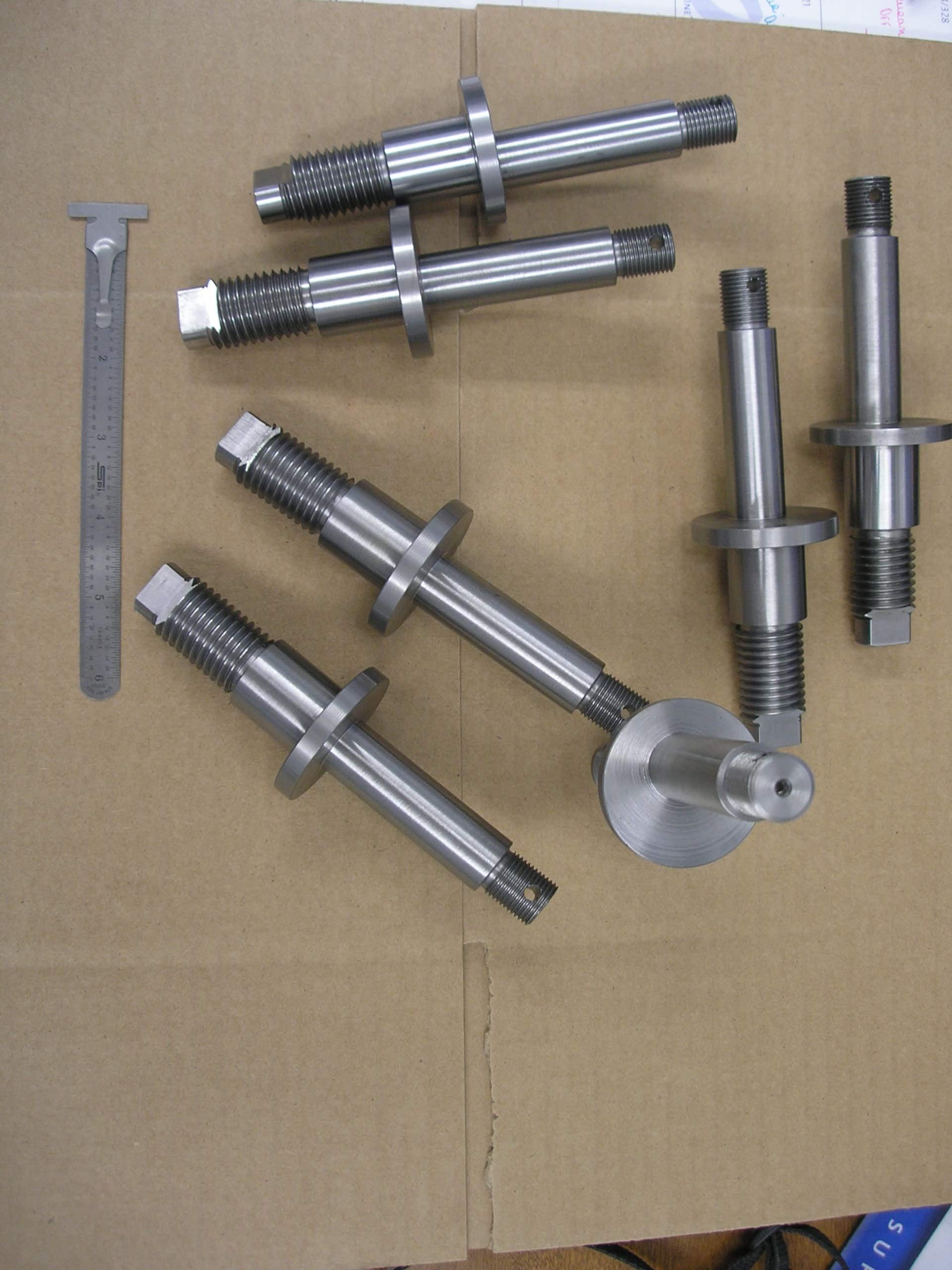
Some of the most important parts in a plant are also the hardest to replace. The original drawing is missing, the OEM is out of business, or the only reference is a worn component sitting on a maintenance bench. When that happens, reverse engineering is the path back to a reliable replacement.
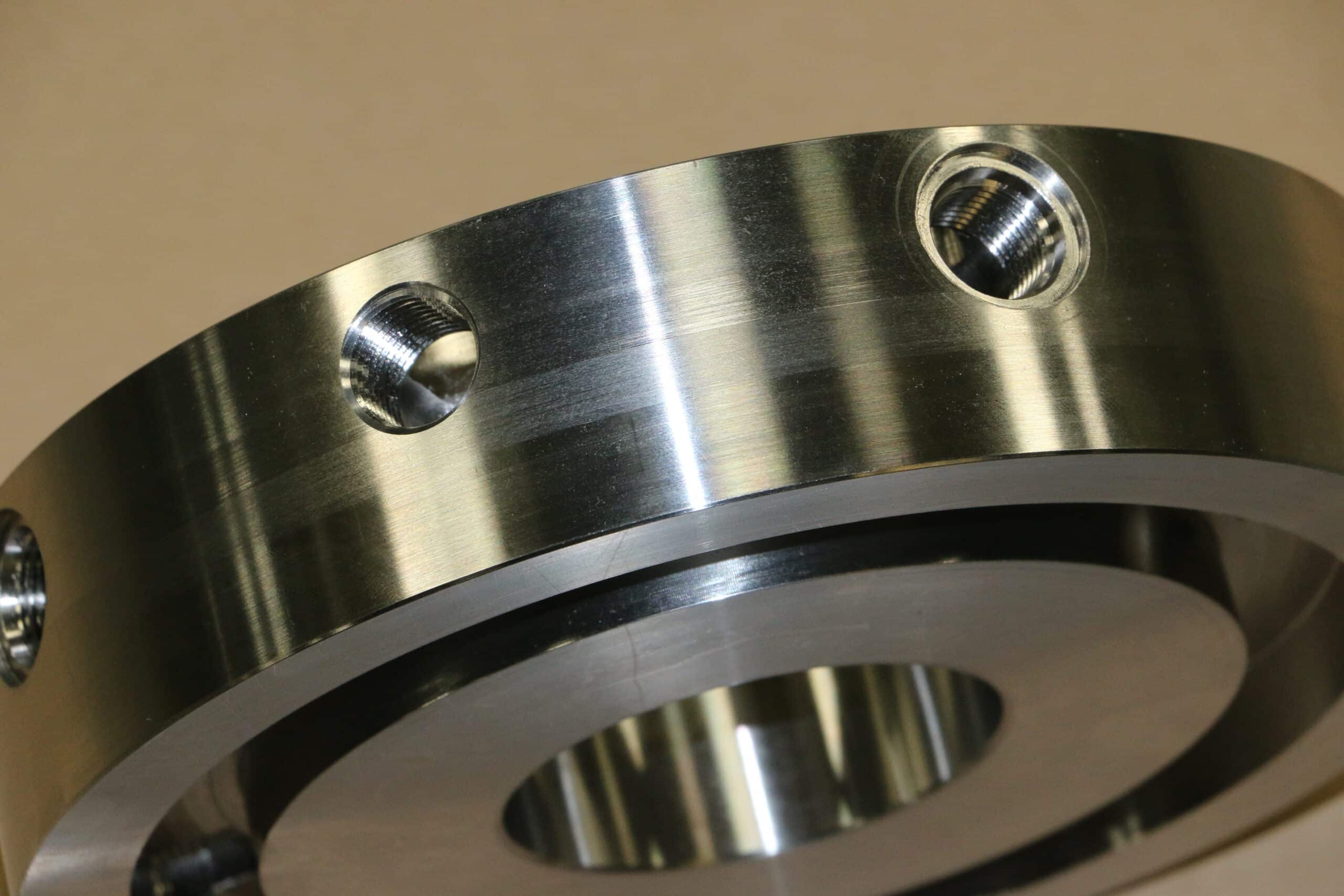
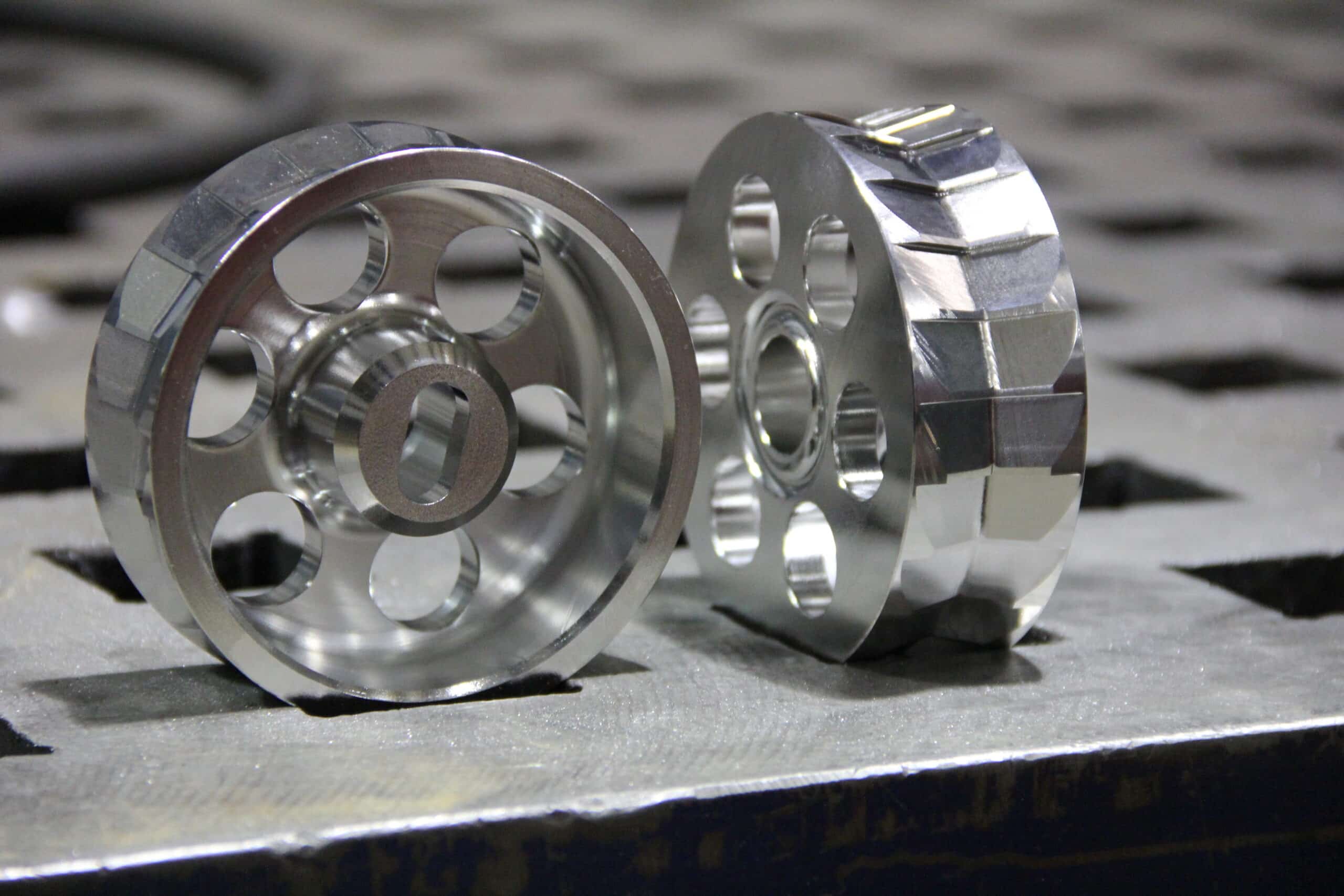
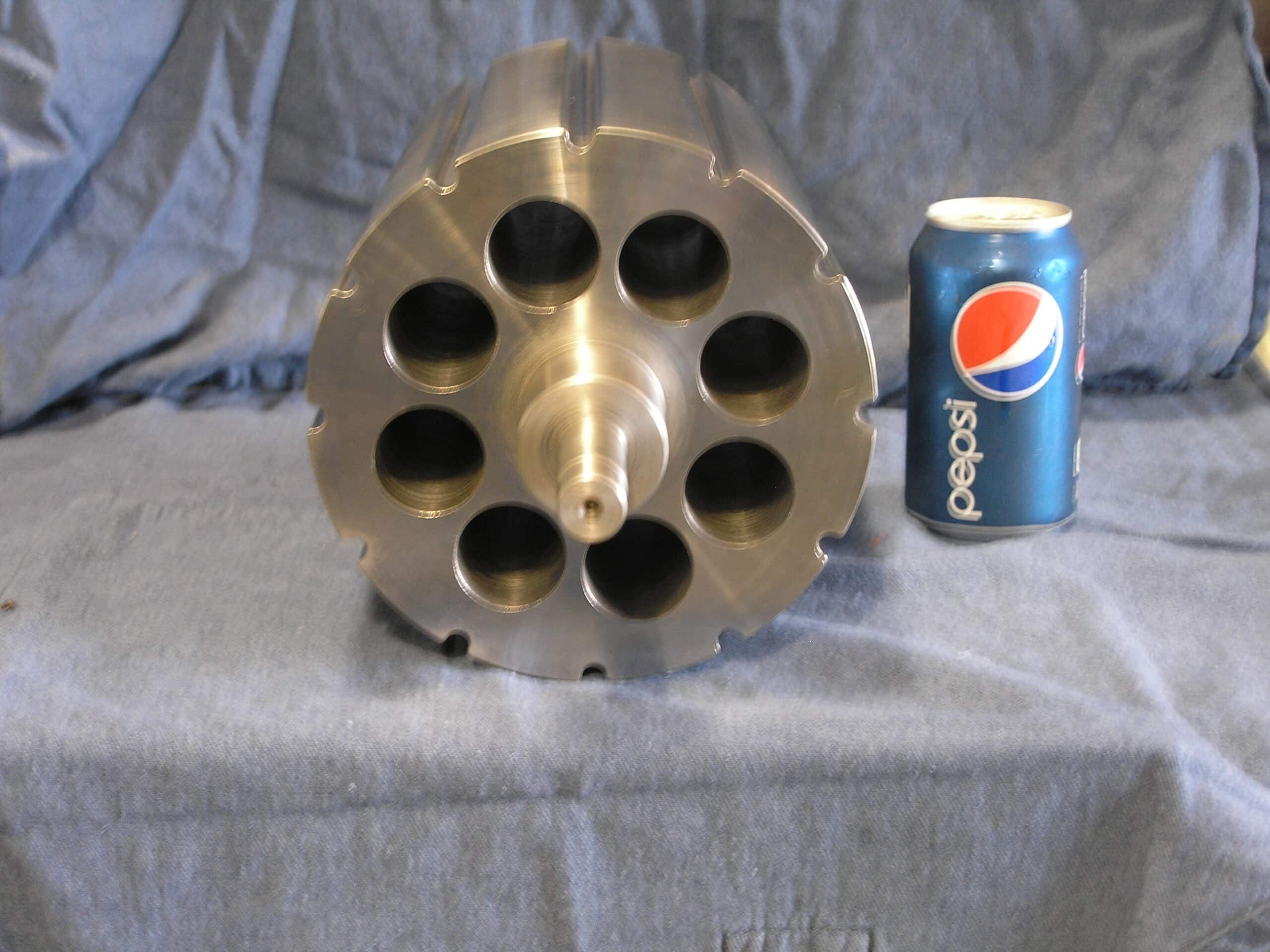
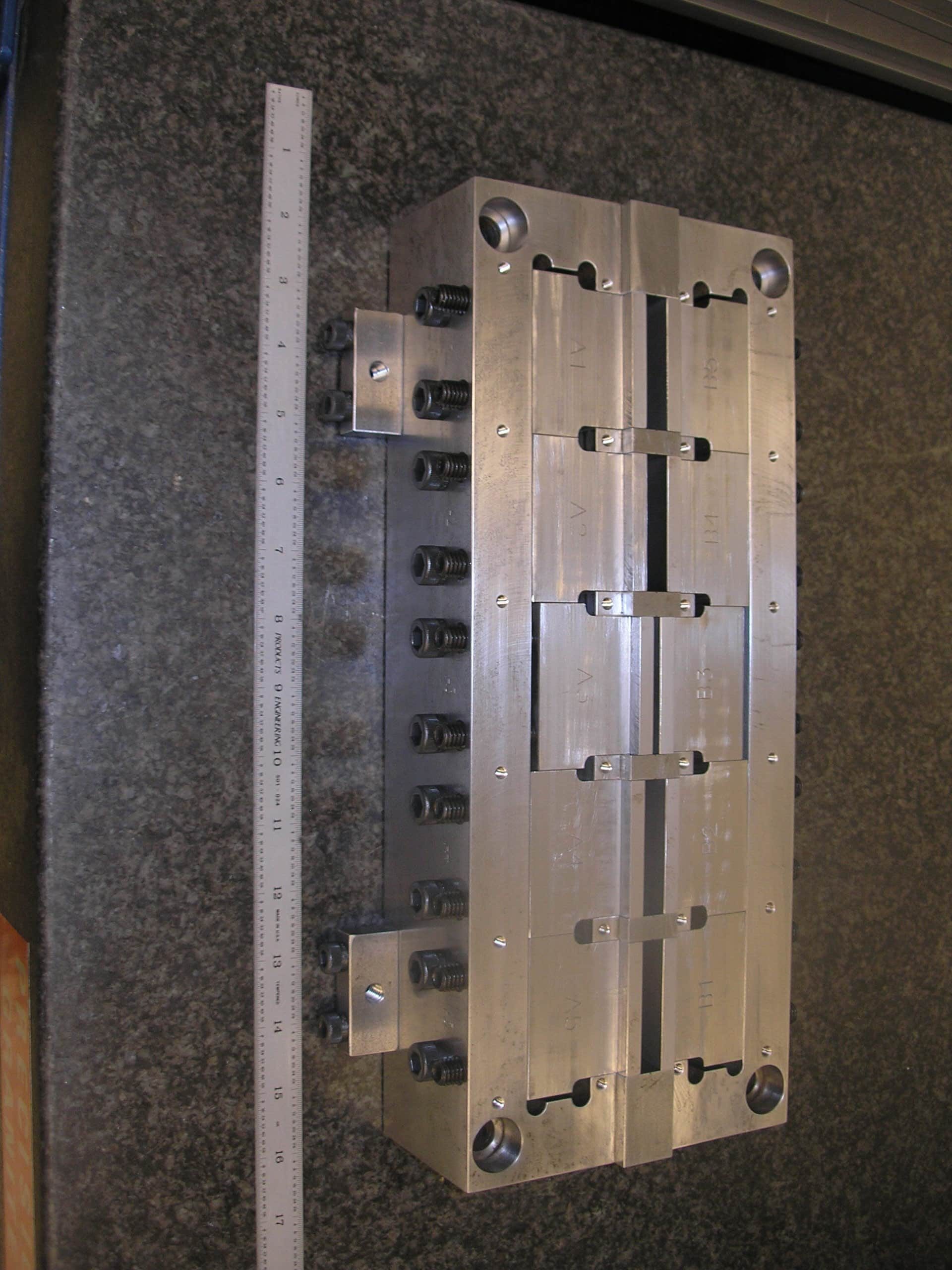
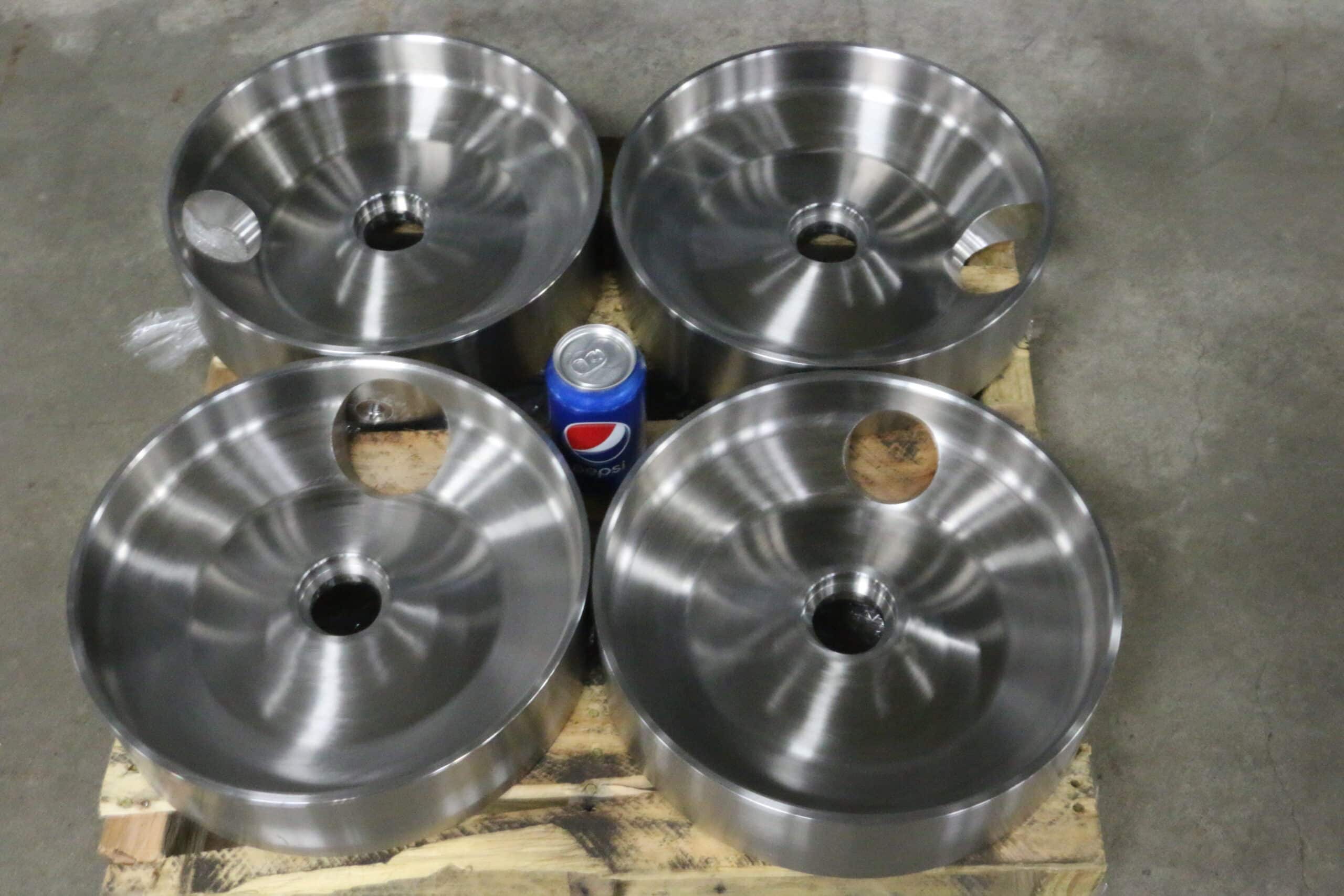
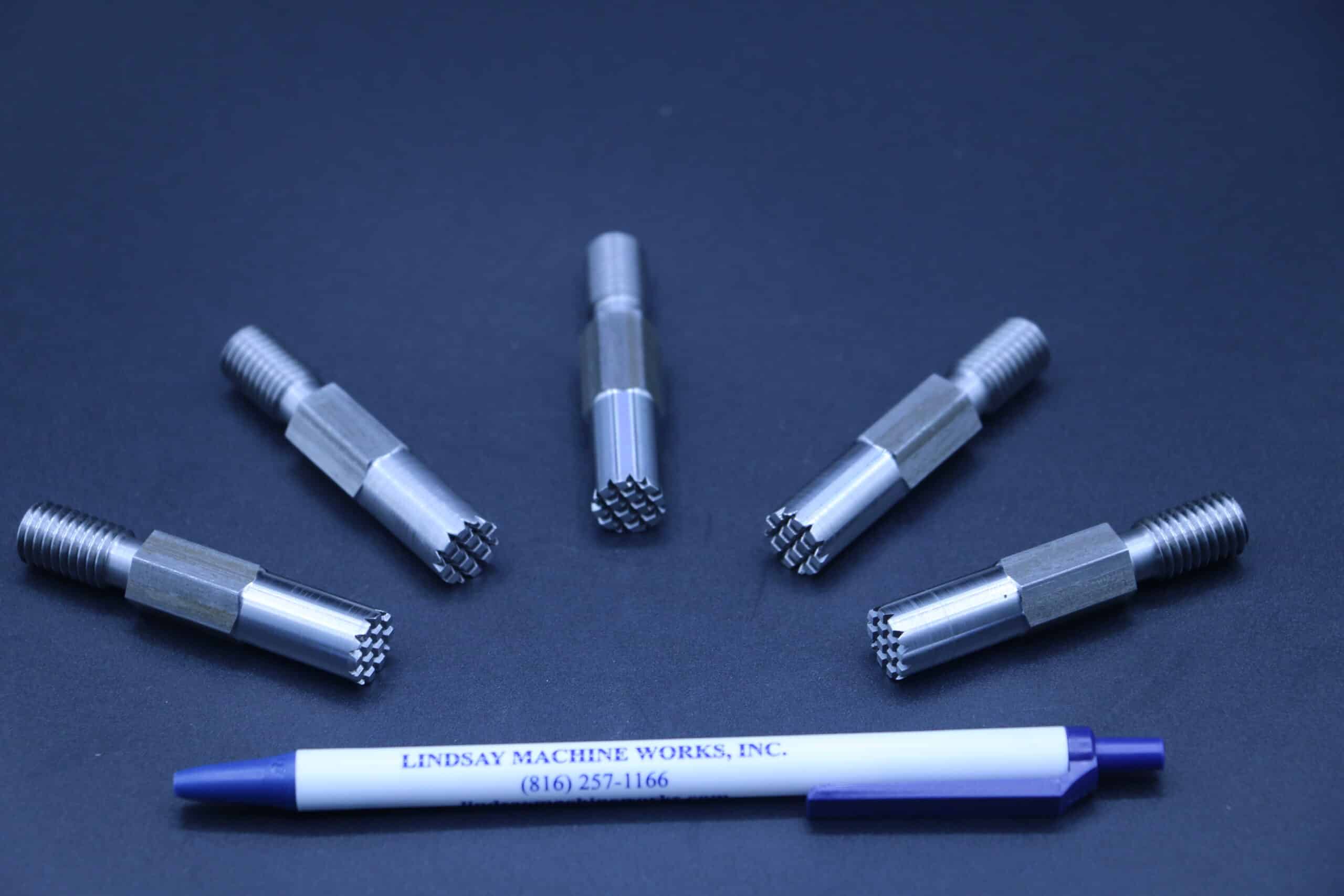
Lindsay Machine Works offers OEM part reverse engineering as a complete service, not just a measurement step. Our team takes worn, broken, or undocumented parts and turns them into clean drawings, accurate 3D models, and finished components built to do the job the original was designed for. After 30-plus years in our Kansas City precision machine shop, we have done this for everything from one-off legacy components to ongoing spares programs.
What OEM Part Reverse Engineering Means
Reverse engineering is the process of working backward from an existing physical part to recreate the design data needed to manufacture it again. For OEM parts, that usually means:
- Inspecting and measuring the existing component, including features that may be worn
- Identifying the original material and surface finish
- Building a clean 2D drawing or 3D CAD model that captures the intended dimensions
- Documenting tolerances and finishes so the part can be reproduced consistently
- Machining the replacement and verifying it against the captured spec
The end product is not just one finished part. It is a documented record that lets you produce the same part again, with the same dimensions and the same materials, the next time it is needed.
When Reverse Engineering Is the Right Call
Reverse engineering is the right move when any of the following is true:
- The original equipment manufacturer has discontinued the part or gone out of business
- Drawings have been lost, damaged, or never existed in the first place
- The part has been modified over the years and no longer matches stock components
- A close-but-not-exact aftermarket part has caused recurring failures
- You need to lock in a long-term supply for a critical legacy spare
In each of these cases, the alternatives are usually worse. Trying to “make do” with an approximate part can cost more in unplanned downtime than the reverse engineering service itself.
How We Reverse Engineer an OEM Part
Reverse engineering done well is methodical, not improvised. Here is how a typical project moves through our shop.
Step 1: Start with what you have
You send us the worn or broken part, plus any reference material that might exist, even if partial. That can be old prints, a photograph, an inspection report, or just notes from the maintenance team about how the part fits and how it failed. The more context, the better.
Step 2: Inspect and measure
We move the part into our climate-controlled inspection area. Using a Starrett AV350 vision and probe system, calibrated micrometers, height gauges, and traditional metrology, we capture each feature carefully. Critical features get more measurement passes than reference features, and we note where the part has worn.
Step 3: Interpret wear vs. design intent
This is where reverse engineering becomes more art than science. A worn shaft is not the same diameter it was when it left the original factory. A scored sealing surface no longer matches the print. Our engineers separate the worn dimensions from the intended dimensions, using context, tolerance norms, and matching components to land on the right spec.
Step 4: Build a clean drawing or model
The captured data becomes a 2D drawing, a 3D CAD model in SolidWorks, or both. Tolerances are documented, surface finishes are called out, and material is specified. If you want input, we will walk through the model with you before we machine anything.
Step 5: Machine and inspect the replacement
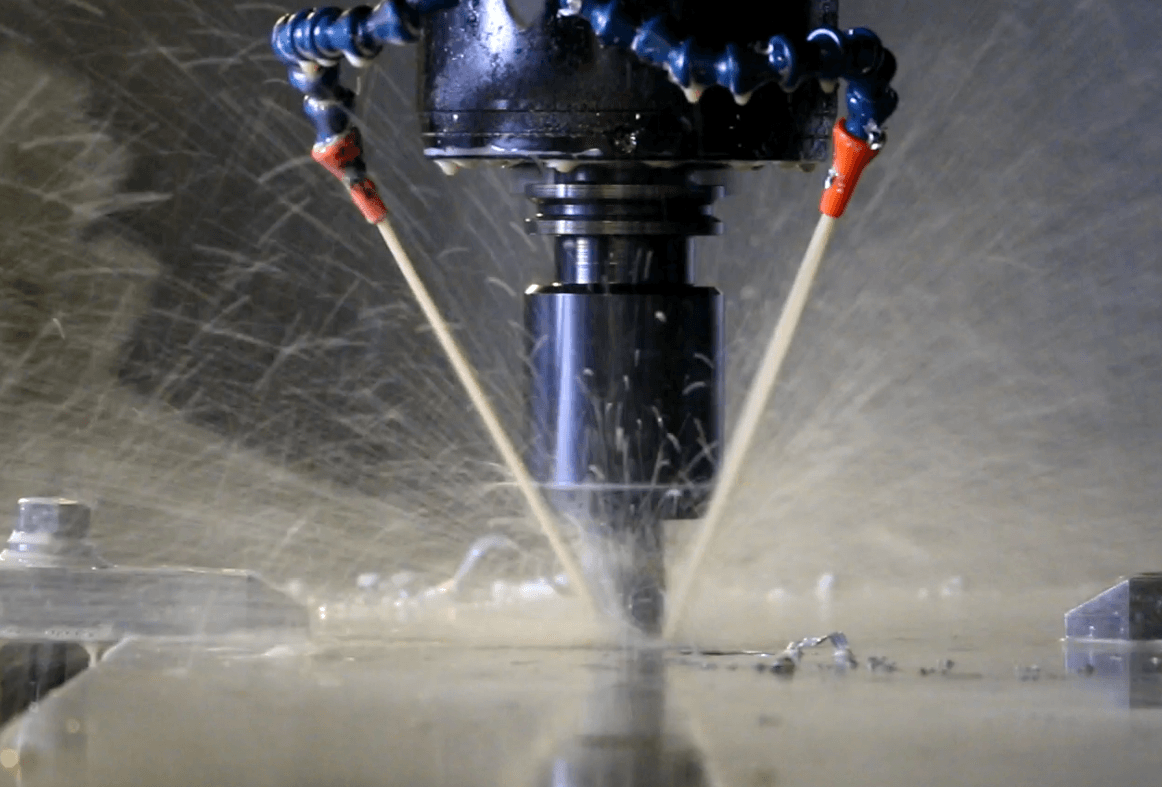
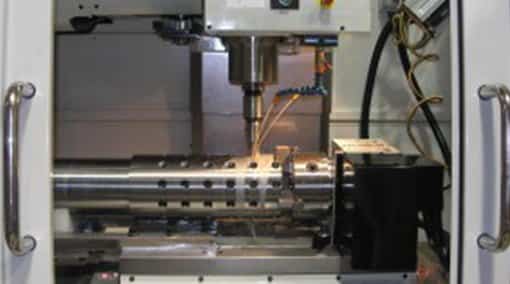
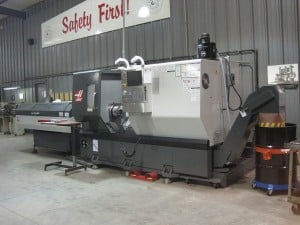
The new drawing drives manufacturing. The part runs through CNC milling, turning, grinding, or fabrication, depending on its geometry. Before it ships, it goes through a final inspection against the captured spec.
Step 6: Hand over the documentation
You get the finished part and the documentation. That means the next time the part wears out, we already have the program, the fixtures, and the inspection plan.
Materials We Work With
Matching the original material is half of getting a reverse-engineered part right. We work in:
If the original material is unknown, we can work with you to identify likely candidates based on hardness, magnetic properties, color, density, and the application itself. Material certifications are available when traceability matters.
Industries We Reverse Engineer For
Legacy equipment shows up in nearly every heavy industry. Our reverse engineering work most often supports:
- 1
Construction
- 2
Military and defense
- 3
Energy and utilities
- 4
Food processing
- 5
Manufacturing and OEM equipment builders
- 6
Printing and packaging
If your operation falls into one of these sectors, you can read more about how we support OEM and metal fabrication customers on our OEM parts and metal fabrication for manufacturing page.
Frequently Asked Questions (FAQ) for OEM Part Reverse Engineering
Request a Quote or Contact Us About OEM Part Reverse Engineering
(816) 257-1166
If you have a part with no drawing, a legacy component the OEM no longer supports, or a recurring failure that points to an aftermarket fit issue, we want to take a look. Send us the part, and we will turn it into a documented, repeatable replacement.