When a shaft snaps on a Friday afternoon, nobody wants to wait for a CNC program. That’s where manual machining still earns its place on the shop floor. In this post, you’ll learn what manual machining is, where it beats CNC on prototypes, repairs and one-off parts, why the machinist’s skill still matters, and how to tell which process your part needs.
 Manual Machining vs. CNC: How They Differ
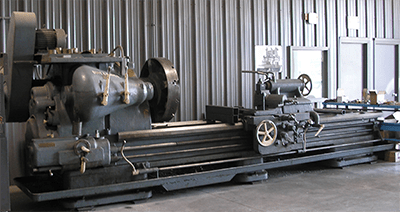
Manual machining means a skilled machinist runs the lathe, mill, boring mill or grinder by hand. The machinist reads the print, sets up the part, picks the tooling and controls each cut with hand wheels and feeds.
CNC machining runs from a program. Once that program is written and proven, a CNC machine can repeat the same part over and over with very little variation. The catch is the time it takes to program, set up and prove out the first piece.
Both methods remove metal to hit the dimensions on a drawing. The difference is where the time goes. On a CNC job, much of the effort happens before the first chip. On a manual job, the machinist can start cutting almost as soon as the part is clamped down.
Jobs Where Manual Machining Still Wins
Manual machining is often the faster and more economical choice when quantities are small, the deadline is tight or the part is unusual. Here are the jobs where it shines.
One-Off Parts and Small Quantities
If you need one bushing, a single shaft or a handful of spacers, programming time can cost more than the cutting itself. A conventional setup gets the part on the machine fast. At Lindsay Machine Works, manual machining is often the better fit for quantities under five pieces.
Prototypes That Change Mid-Job
Prototypes rarely stay the same from start to finish. A fit gets tightened, a hole moves or a shoulder needs another pass. On a manual machine, the machinist can make those changes on the spot without rewriting and re-proving a program.
Repairs and Rework
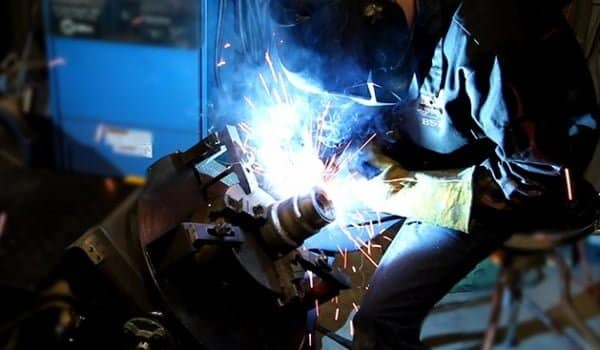
Worn, damaged and out-of-spec parts can often be repaired instead of replaced. A manual machinist can restore bores, faces, threads and fits so your equipment gets back in service sooner. When a repair also needs build-up or a new weld, in-house welding services keep the whole job in one building.
Urgent Breakdowns and Downtime
When a machine is down, every hour counts. A manual machinist can often start on a repair part the same day it arrives, because there is no program to write first. Local customers can use pickup and delivery to cut downtime even further.
That speed matters most on simple parts that stop a whole line, such as a worn shaft, a cracked bushing or a damaged spacer. Getting one good part back fast is often worth more than a perfect production setup that takes days to build.
Oversized and Irregular Parts
Big or oddly shaped parts don’t always fit a CNC machine or a standard fixture. Lindsay Machine Works runs manual turning up to 39 inches OD by 120 inches long and a vertical turning lathe that takes parts up to 57 inches OD. Large horizontal boring handles drums, flanges, rings and heavy weldments that many shops turn away.
The Value of a Skilled Machinist
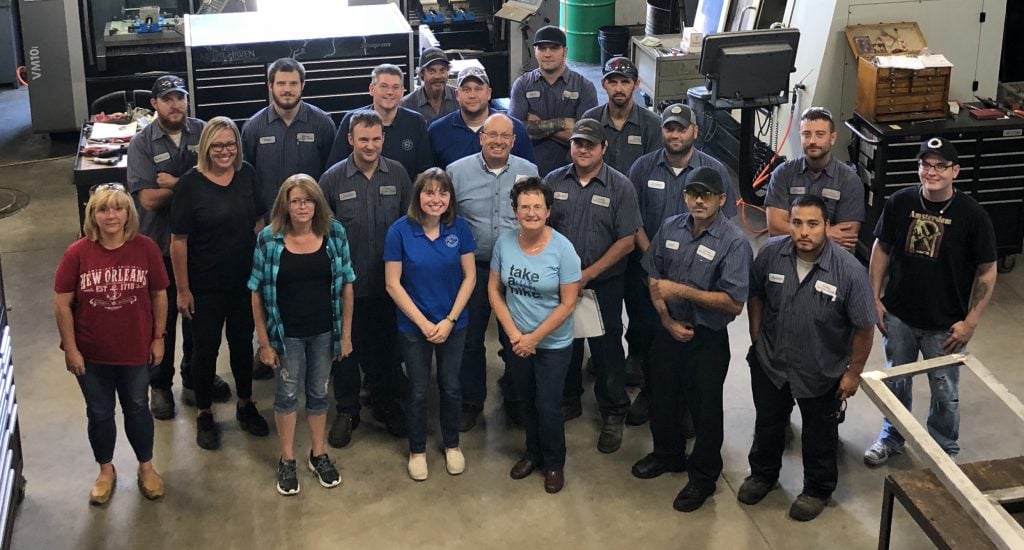
The machine is only half of manual machining. The other half is the person running it. An experienced machinist can look at a worn part, figure out how it was used and decide which surfaces matter most.
That judgment helps when there’s no drawing at all. You can send a sample or broken part, and a machinist can make a replacement from it. Include notes on how the part is used and which fits matter, and the team can take it from there.
Skill also shows up in fit-up. Matching a part to its mating component, chasing a press fit or hitting a bearing seat on a part that has already been welded all call for feel and careful measuring. Finished parts still go through the same inspection as CNC work, with a Mitutoyo CMM, a Starrett vision and probe system and calibrated hand gauges.
Grinding is part of that skill set too. Surface grinding and ID/OD grinding finish faces, bores and diameters when a fit has to be just right, and that work happens in the same shop as the manual lathes and mills.
Jobs That Belong on CNC Machines
Manual machining isn’t the answer for every part. CNC machining usually wins on repeat production, complex contours and parts with many features that must match from piece to piece.
Once a program is proven, every part after the first runs faster and more consistently. That’s why many jobs start on manual equipment as a prototype or repair and move to CNC once the design is settled. Lindsay Machine Works runs CNC milling and turning next to its manual department, so a job can move down the aisle instead of to another shop.
A Quick Way to Decide
These questions help you sort out which process your part leans toward:
- How many pieces do you need now, and will you reorder?
- How soon do you need the part back in service?
- Is the part large, heavy or oddly shaped?
- Do you have a drawing, or only a sample or worn part?
- Will the design change after the first piece?
If the answers point to one part, a short deadline or a design still in motion, manual machining is a strong place to start. If they point to steady repeat orders, CNC is usually the better long-term choice.
Get Your Next Manual Machining Job Quoted
Lindsay Machine Works, Inc. offers manual machining services for one-off parts, repairs and oversized work from its shop in Independence, Missouri. Local customers can use pickup and delivery, and the team coordinates shipping across the United States. Request a quote with your drawing, sample part or repair details, or call (816) 257-1166 to talk through your part.
Manual Machining FAQs
Is Manual Machining Still Used Today?
Yes. Manual machining is still common for prototypes, repairs, one-off parts and oversized work. Many shops, including Lindsay Machine Works, run manual and CNC equipment side by side and send each part to the process that fits it best.
Is Manual Machining Cheaper Than CNC for One Part?
It often is. A single part or a very small batch doesn’t have to cover programming and long setup time, so the machinist can start cutting sooner. For larger quantities and repeat orders, CNC usually becomes the more economical choice.
What Kinds of Parts Are Best for Manual Machining?
Good candidates include single shafts, bushings, spacers, repair parts and prototypes that may change mid-job. Large or irregular parts such as drums, flanges and rings are also a strong fit for manual lathes, vertical turning lathes and horizontal boring.
Can a Machinist Make a Part from a Broken Sample?
Yes. You can send a sample or worn part, and a machinist can make a replacement from it. Include notes on how the part is used and which fits matter so the new part works in your equipment.
How Accurate Is Manual Machining?
Accuracy depends on the machine, the setup and the skill of the machinist. At Lindsay Machine Works, manual parts are inspected the same way as CNC parts, with critical fits and diameters checked during the job. Put your tolerances on the drawing, and the team will confirm them during quoting.