Aluminum is one of the most widely used metals in modern manufacturing. It’s lightweight, strong, corrosion-resistant, and versatile across industries ranging from automotive and aerospace to construction and custom fabrication. Because of these properties, laser cutting aluminum has become a preferred method for creating precise, high-quality parts.
However, aluminum behaves differently from steel or other common metals when exposed to laser energy. Understanding these differences is essential for achieving clean cuts, tight tolerances, and consistent results. In this guide, Lindsay Machine Works explains what you need to know before laser cutting aluminum.
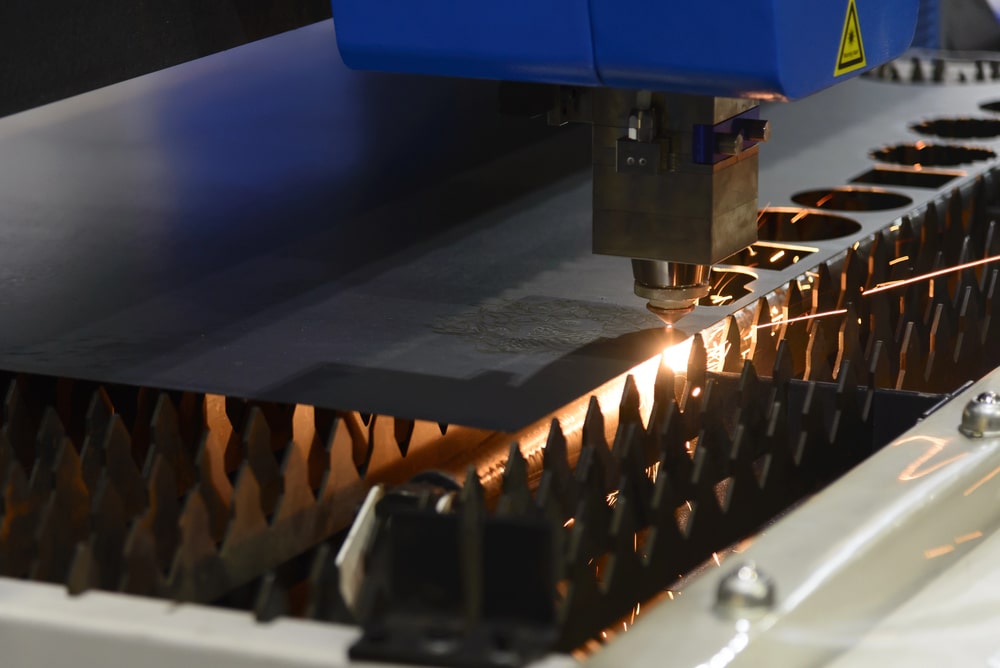
Why Aluminum Is Commonly Laser Cut
Aluminum is popular because it offers an excellent balance of strength and weight while remaining relatively easy to machine when the right equipment is used. Laser cutting allows manufacturers to create complex shapes, fine details, and smooth edges without the mechanical stress caused by traditional cutting tools.
Laser cutting also reduces material waste and improves repeatability, making it ideal for both custom projects and production runs.
How Aluminum Reacts During Laser Cutting
Aluminum’s high reflectivity and thermal conductivity make it unique compared to other metals. Because it reflects a portion of the laser beam, older or lower-powered laser systems may struggle to initiate clean cuts. Once cutting begins, aluminum also dissipates heat quickly, which can affect cut consistency if the laser is not properly configured.
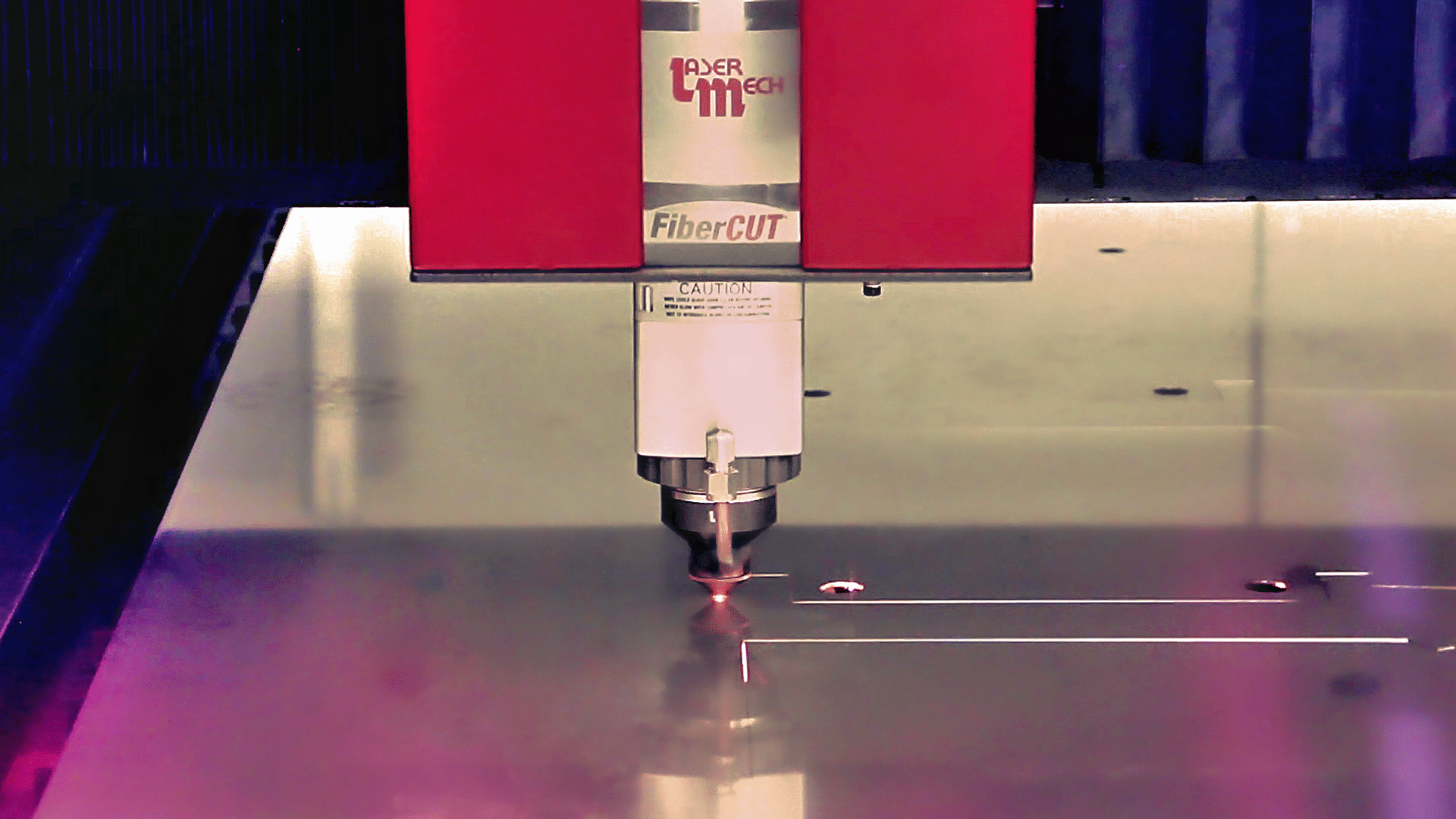
Modern fiber laser cutting machines are well-suited for aluminum because their wavelength is more easily absorbed by the material. This allows for faster cutting speeds, improved edge quality, and better control over heat input.
Choosing the Right Laser for Aluminum Cutting
Fiber lasers are the industry standard for aluminum cutting. They provide higher efficiency, better beam quality, and improved safety when cutting reflective metals. The right laser power depends on the thickness and grade of aluminum being cut.
Thinner aluminum sheets can be cut efficiently with moderate power, while thicker plates require higher wattage and optimized cutting parameters. Using the correct power level ensures clean edges and minimizes the risk of burrs or excessive heat buildup.
The Role of Assist Gas in Aluminum Laser Cutting
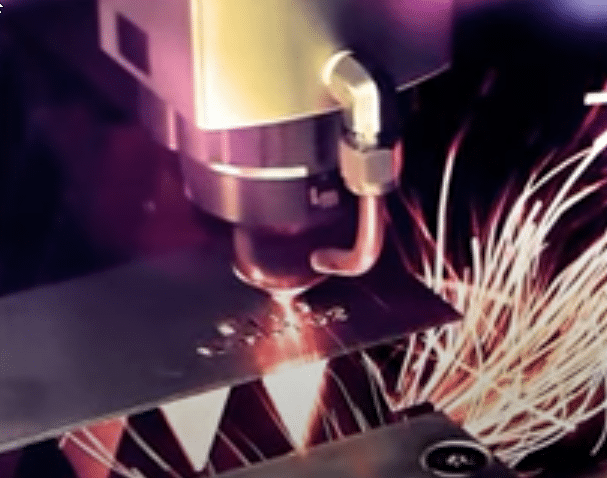
Assist gas plays a critical role in producing clean aluminum cuts. Nitrogen is commonly used because it prevents oxidation and helps achieve a bright, smooth edge finish. Oxygen may increase cutting speed, but it can also cause discoloration or oxidation on aluminum surfaces.
Selecting the right assist gas and pressure helps remove molten material from the cut path and improves overall edge quality.
Edge Quality and Heat-Affected Zones
One of the main advantages of laser cutting aluminum is the minimal heat-affected zone. Because the laser beam is highly focused, the surrounding material experiences less thermal distortion compared to plasma or mechanical cutting methods.
Proper machine calibration and cutting speed help prevent warping, especially on thin aluminum sheets. When done correctly, laser cutting produces parts that require little to no post-processing.
Common Aluminum Applications for Laser Cutting
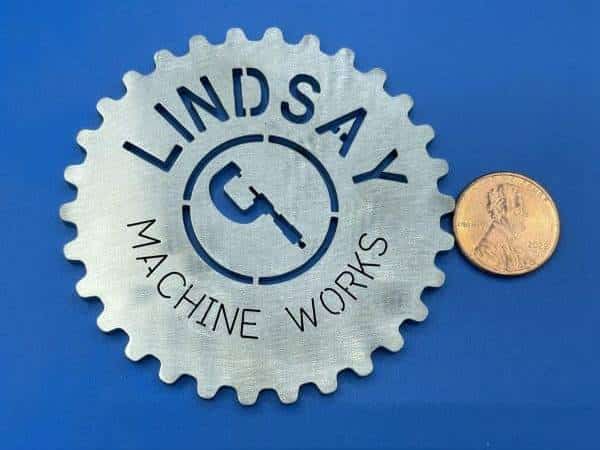
Laser-cut aluminum is used in a wide range of applications, including brackets, enclosures, panels, frames, and decorative components. Industries such as aerospace, automotive manufacturing, electronics, and architectural fabrication rely on laser cutting for accuracy and repeatability.
The ability to quickly switch between designs also makes laser cutting ideal for prototyping and short production runs.
Challenges to Be Aware Of
While laser cutting aluminum offers many benefits, it does come with challenges. Reflectivity requires the use of modern laser systems designed for metal cutting. Improper settings can lead to rough edges, incomplete cuts, or excessive dross.
Working with an experienced fabrication shop ensures cutting parameters are optimized for the aluminum grade and thickness, reducing material waste and production delays.
Why Laser Cutting Aluminum Is a Smart Choice
When performed with the right equipment and expertise, laser cutting aluminum delivers exceptional precision, speed, and flexibility. It allows manufacturers to create complex designs while maintaining tight tolerances and high-quality finishes.
For businesses that demand accuracy and efficiency, laser cutting aluminum remains one of the most reliable fabrication methods available today.
Conclusion
Laser cutting aluminum requires more than just a powerful machine—it requires the right technology, proper setup, and experienced operators. Fiber laser systems combined with the correct assist gas and cutting parameters make aluminum cutting efficient, precise, and repeatable.
At Lindsay Machine Works, we use advanced laser cutting technology to deliver clean, accurate aluminum parts for a wide range of industries. Whether you need custom fabrication or production-level cutting, our team is ready to help.