In modern manufacturing and fabrication, precision and speed are everything. That’s where fiber laser cutting machines come in — they can slice through metal sheets with incredible accuracy and efficiency. But how does a fiber laser cutting machine actually work? In this post, we’ll break down the science and mechanics behind the technology in simple, reader-friendly terms.
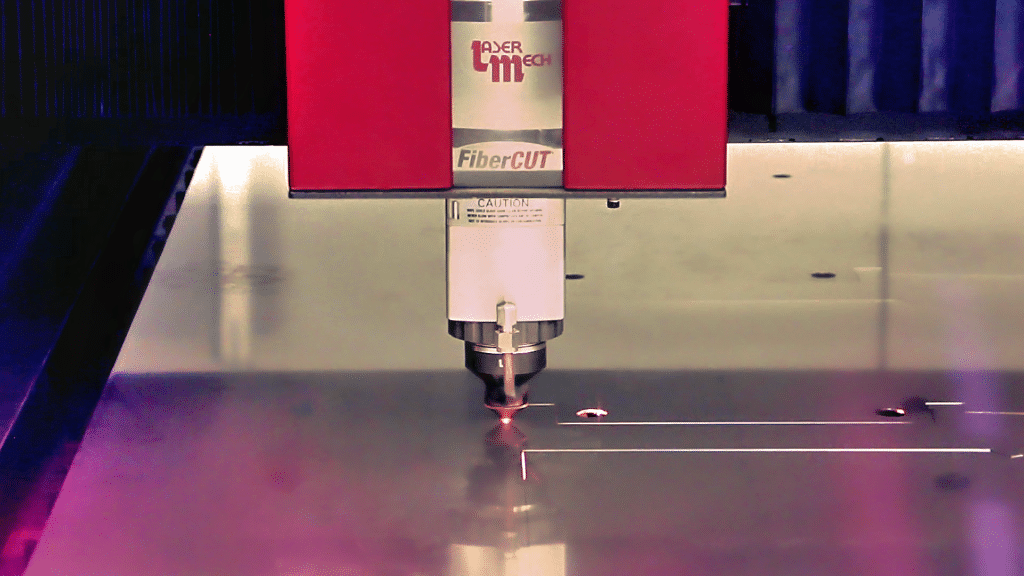
What Is Fiber Laser Cutting?
A fiber laser cutter uses a concentrated laser beam to cut through metal and other materials. What sets it apart is its “fiber” — the machine uses an optical fiber, doped with special materials, to generate and guide the laser beam.
Compared to older techniques (like CO₂-based lasers), fiber-laser machines are more efficient, precise, and often easier to maintain.
The Key Components: What’s Inside the Machine
Here are the main components that make a fiber laser cutting machine tick:
-
Fiber Laser Source – This is the “engine.” The machine uses an optical fiber doped with rare-earth elements (such as ytterbium and erbium) as its gain medium, where light is amplified.
-
Beam Delivery System / Optical Fiber – The laser light travels through an optical fiber cable (made of silica glass). The fiber serves both as the light generator and the path to deliver that light precisely.
-
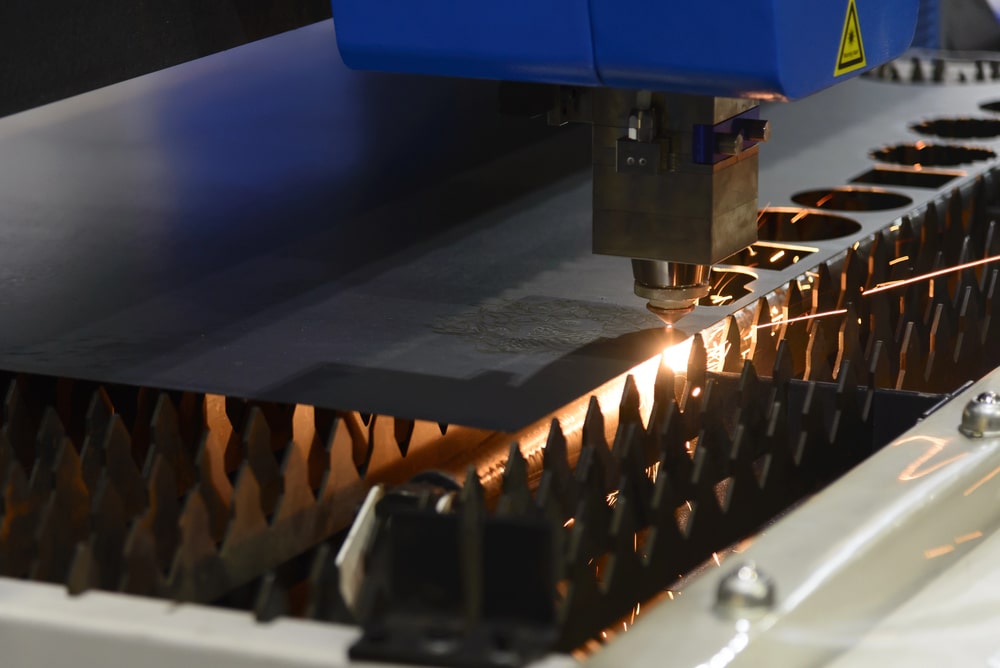
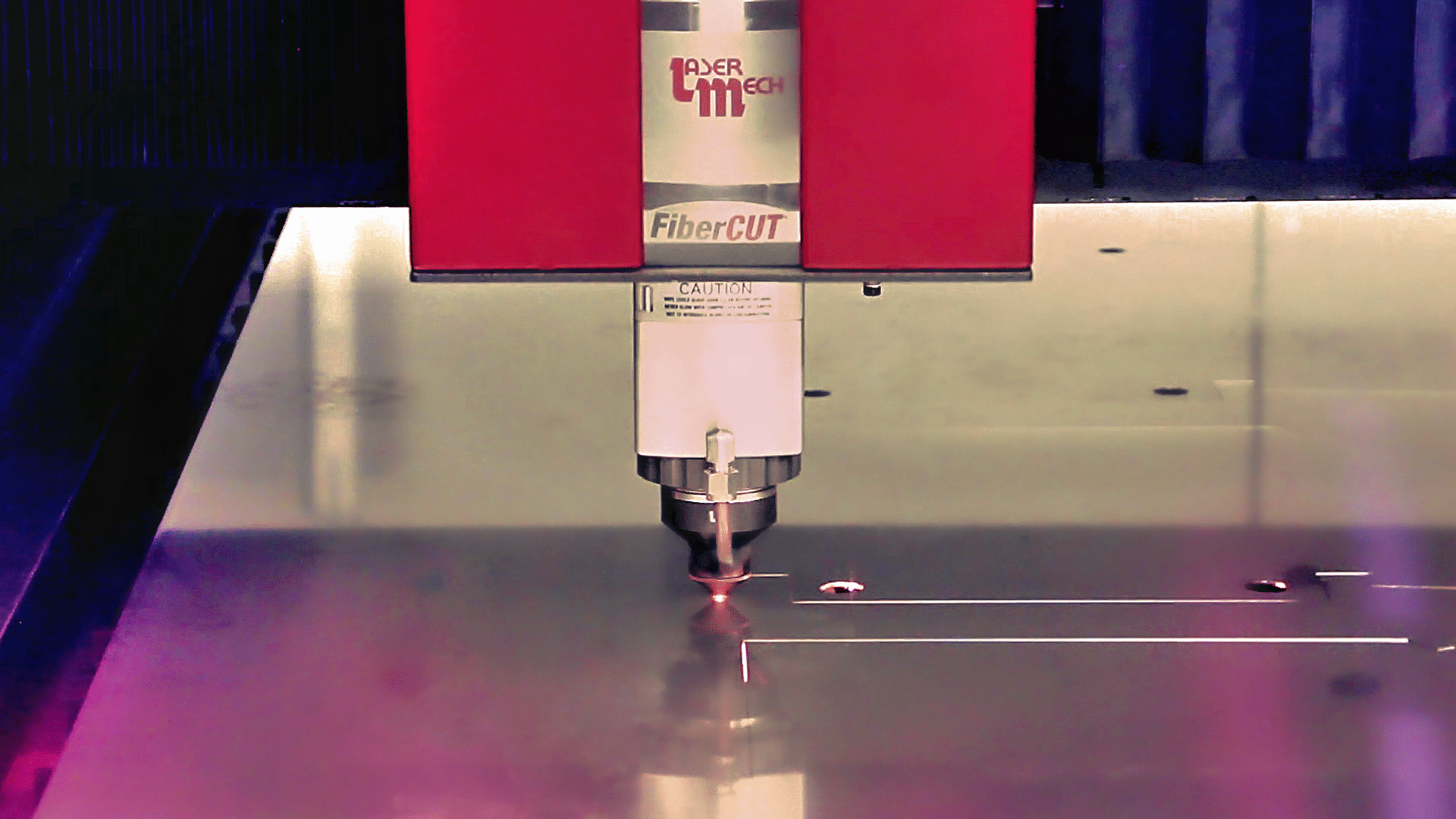
Cutting Head (Optics + Focus Lens + Nozzle) – At the end of the fiber, the beam is focused through lenses and optics, condensing the light into a very tiny, high-energy spot on the material surface.
-
CNC / Motion Control System – The machine is often controlled by a computerized (CNC) system that moves the cutting head (or table) along programmed paths to create the desired shape or cut.
-
Assist Gas System – While the laser melts or vaporizes the material, a jet of assist gas (often oxygen or nitrogen) blows away the molten material or slag — leaving behind a clean, precise cut.
-
Cooling System & Worktable – Because laser cutting generates intense heat, a cooling system (chiller) helps dissipate residual heat. The worktable holds the material steady during cutting.
How It Works — Step by Step
Here’s a simplified flow of how a fiber laser cutting machine gets from “raw metal sheet” to “perfectly-cut part”:
-
Laser Generation: Electrical power activates laser diodes (pump lasers). These diodes generate initial light at a specific wavelength, which is then fed into the doped optical fiber.
-
Light Amplification: The light travels through the doped fiber, where it gets amplified. The fiber acts as the gain medium, making the beam powerful enough for cutting.
-
Beam Delivery: The amplified laser beam travels through the fiber optic cable to the cutting head. Because it’s guided through the fiber, the beam remains stable, high-quality, and well-directed.
-
Focusing the Beam: Inside the cutting head, optical lenses focus the beam on a very small spot on the material’s surface — creating a high-energy, high-temperature point. This concentration allows the beam to melt or vaporize the metal.
-
Cutting the Material: The intense heat causes the material to melt or vaporize. Meanwhile, the assist gas blows away the molten material or vapor, clearing a clean cut.
-
Controlled Movement: The CNC control system moves the cutting head (or the work table) along the programmed path — in the X, Y (and sometimes Z) axes — to cut the shape or pattern required.
-
Cooling & Finishing: The cooling system prevents internal components from overheating. Because there’s no physical blade or friction, there’s minimal tool wear and little to no mechanical stress on the material.
Why Fiber Laser Cutting Is So Popular
Using a fiber laser cutter has several advantages that make it a top choice in manufacturing and fabrication:
-
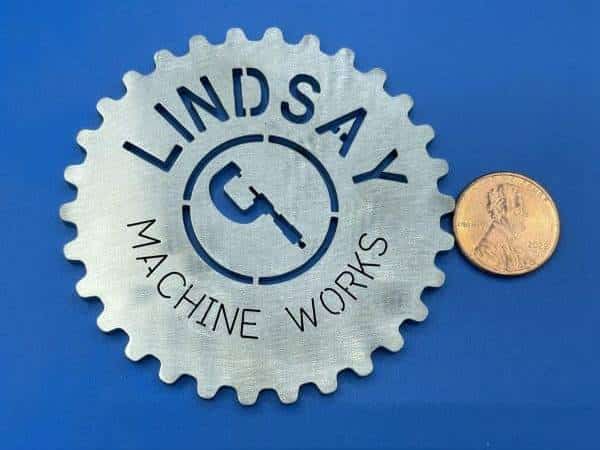
High precision and clean cuts — The focused laser beam delivers extremely narrow kerf widths and tight tolerances.
-
Speed and efficiency — Fiber laser cutting machines often cut faster than older methods (like CO₂ lasers or mechanical saws), which improves productivity.
-
Lower maintenance and operating cost — Because there’s no physical cutting tool (blade), there’s minimal wear and tear. Maintenance is mostly around optics, cooling, and the assist gas system.
-
Versatility — Able to cut metals like stainless steel, aluminum, copper, brass, and more. Some fiber lasers can even cut tubes and shaped profiles.
-
Automation-friendly — Because the cutting process is controlled via CNC and can be programmed, it’s suitable for high-volume production, complex shapes, and repeatable precision.
What Types of Materials Can It Cut — And Its Limitations
Materials that work well: metals like stainless steel, aluminum, copper, brass — especially sheet metal or pipes — are ideal.
Limitations:
-
Cutting very thick materials (e.g., thick steel plates or heavy blocks) can be challenging or inefficient compared to other heavy-duty cutting methods.
-
Some non-metal materials may not respond well, or may release fumes that require proper ventilation.
-
The initial cost of a fiber laser cutting machine tends to be higher than simpler cutting tools — but operational savings and efficiency often justify it over time.
Where Fiber Laser Cutting Is Commonly Used
Industries and applications that benefit from fiber laser cutting include:
-
Metal fabrication and sheet metal working
-
Construction components and structural steel work
-
Automotive and aerospace parts manufacturing
-
Tube and pipe cutting (round, square, rectangular, or custom profiles)
-
Decorative metalwork, signage, and custom design products
-
Industrial machinery manufacturing, molds, and spare parts production
Conclusion
Fiber laser cutting is a remarkable example of how advanced technology can transform metal fabrication. By using a laser generated and guided through a doped optical fiber, these machines deliver rapid, precise, and efficient cutting — all without the wear and tear of traditional mechanical tools.
For businesses looking to scale fabrication work, improve precision, or reduce operating costs over time, fiber laser cutting represents a powerful and versatile solution.