 When it comes to manufacturing metal parts, two terms often come up: fabrication and machining. While they’re sometimes used interchangeably, they are very different processes—and choosing the right one can make a big difference in cost, precision, and overall project success.
In this guide, Lindsay Machine Works breaks down the key distinctions between these two methods, how each works, and when to use one over the other.
Understanding the Fabrication Process
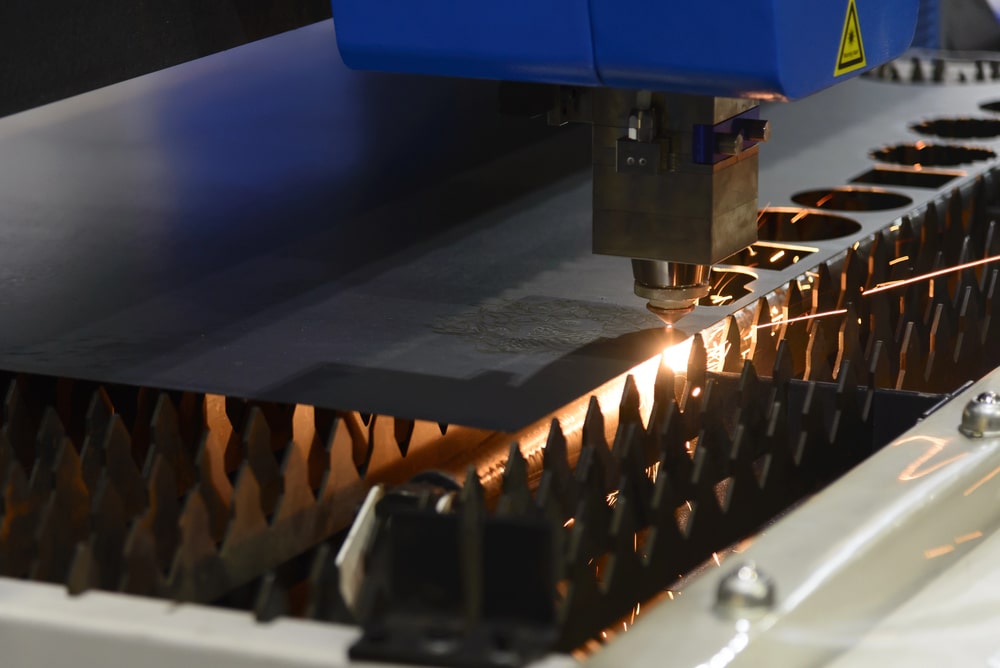
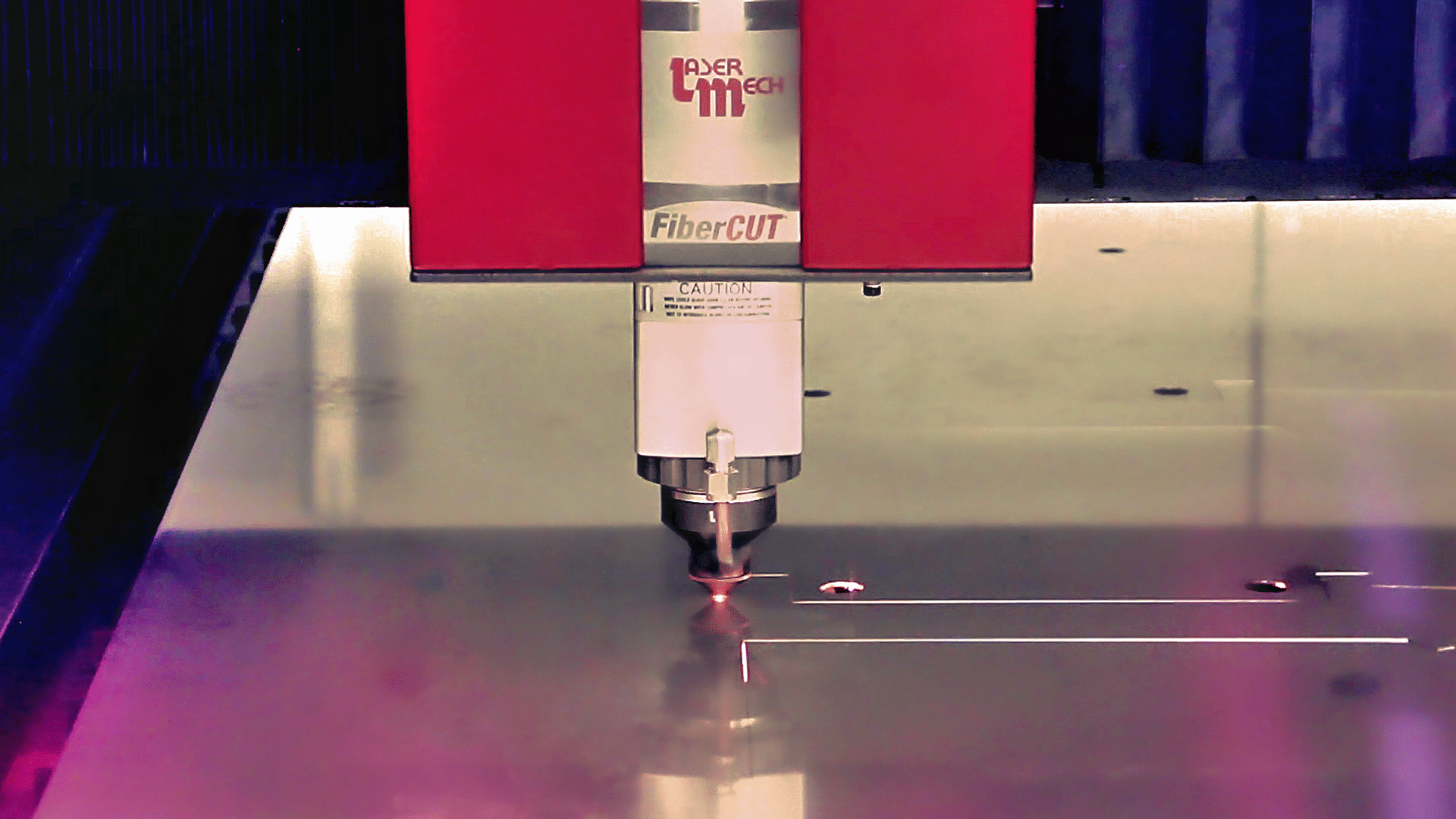
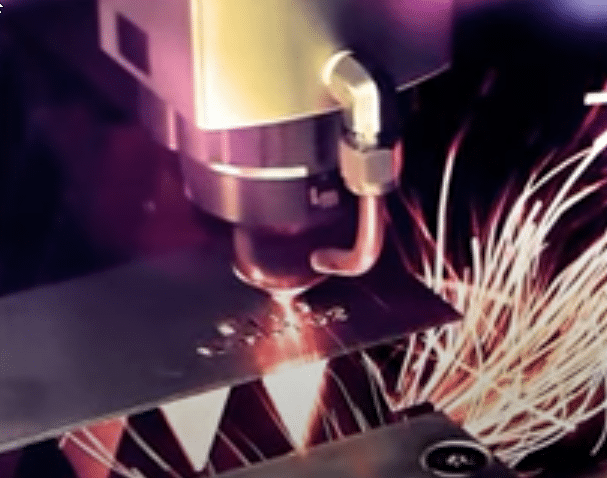
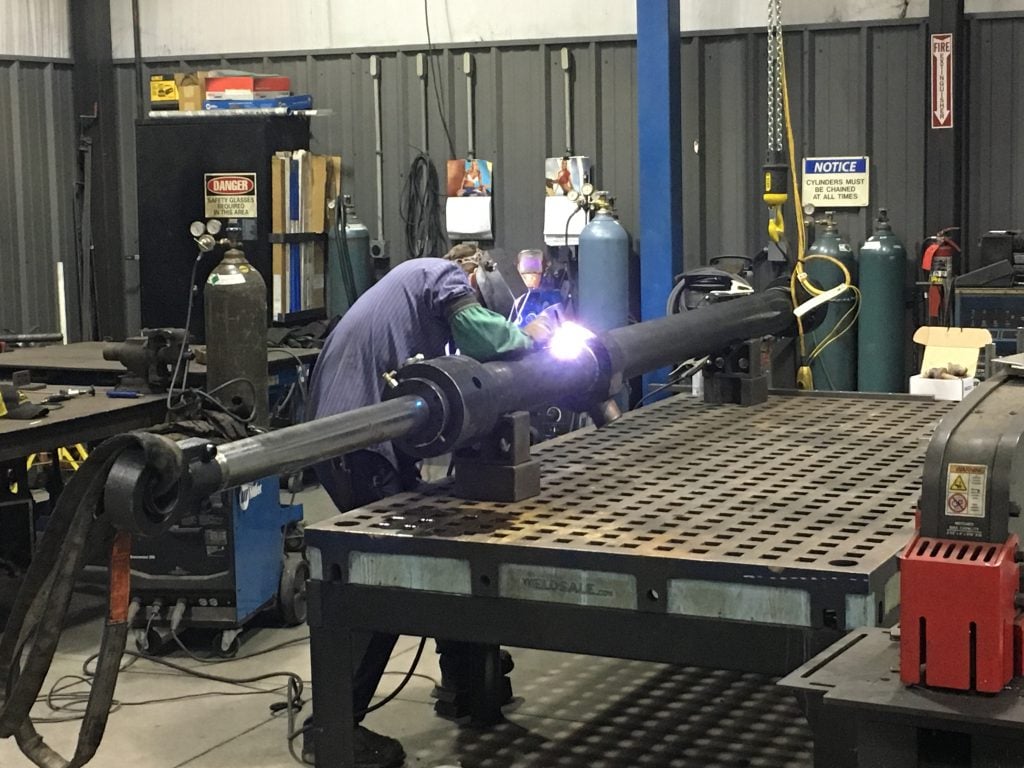
Metal fabrication is the process of building metal components by shaping, forming, and joining raw materials. Rather than removing material, this method focuses on transforming sheets, plates, or structural metals into finished or semi-finished parts.
Common methods include cutting, bending, welding, forming, and assembly. These techniques are often used to create larger structures, frames, enclosures, and welded assemblies. This approach is ideal when strength, structural integrity, and overall form matter more than extremely tight tolerances.
Defining Machine Shop Operations
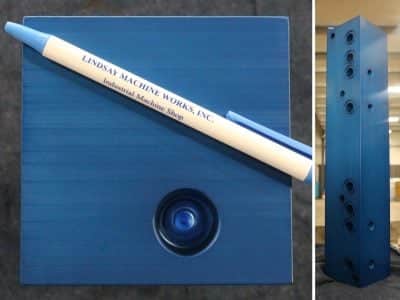
Machining is a subtractive manufacturing process, meaning material is removed from a solid block of metal to achieve a precise final shape. This is commonly performed using CNC (computer numerical control) equipment for high levels of accuracy and repeatability.
Common operations include milling, turning, drilling, boring, tapping, and gundrilling. These techniques allow manufacturers to produce parts with tight tolerances, smooth surface finishes, and complex geometries. This path is often chosen when precision, accuracy, and detailed features are the top priority.
Identifying the Core Technical Differences
The main difference comes down to how the part is created.
One method shapes and joins material to form a part, while the other removes material to refine it. Shaping is generally better suited for large or structural components, while subtractive methods excel at producing precision parts with tight specifications.
Both are essential in modern manufacturing, and many projects benefit from using both together.
When Metal Fabrication Is the Right Choice
Forming and welding are commonly used for projects involving larger components or structural parts. If your part needs to be bent or joined into shape, this is typically the most efficient solution.
This is also well-suited for projects where slight dimensional variation is acceptable and where durability is the primary concern.
Situations Requiring High Precision
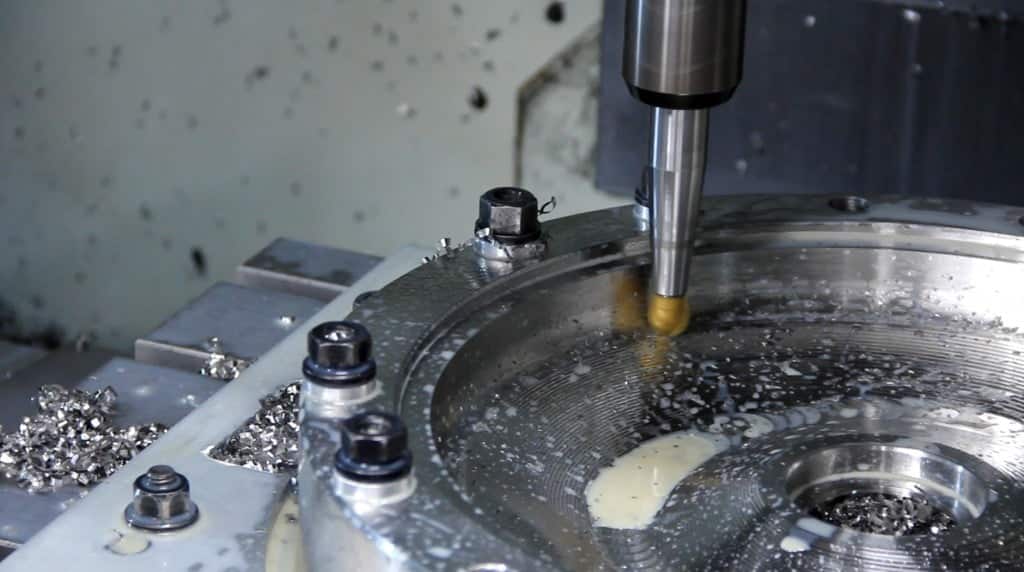
MasterCAM 3 Axis Machining
Machining methods are the best choice when precision is critical. Parts that require exact dimensions, fine surface finishes, or complex internal features are typically machined rather than formed.
Common examples include shafts, housings, brackets, tooling, and mechanical components. Modern CNC technology also allows for high repeatability, making it ideal for both prototyping and long production runs.
Balancing Cost and Efficiency
Financial considerations are key when deciding between these two methods. Forming material can be more cost-effective for large parts or simple geometries, especially when material removal would be excessive and wasteful.
While precision cutting may have higher upfront costs due to machine time and specialized tooling, it can save money in the long run by reducing rework and eliminating the need for secondary operations. The best solution often depends on part complexity, material type, and production volume.
Integrating Both Approaches
In many manufacturing projects, these techniques are not an either-or decision. Instead, they complement each other.
A part may be fabricated first—cut, bent, and welded—and then refined through machining to achieve precise features, tight tolerances, or critical mating surfaces. Combining both allows manufacturers to balance efficiency, strength, and accuracy.
Selecting the Ideal Path for Your Project
Choosing the right process depends on part size, tolerance requirements, and end-use application. Working with an experienced shop ensures the right method is chosen from the start, saving time and reducing costly revisions.
Complete Manufacturing at Lindsay Machine Works
At Lindsay Machine Works, we offer both sets of services, allowing us to deliver complete, end-to-end manufacturing solutions. Our team evaluates each project to determine the most efficient approach—whether that’s forming, cutting, or a hybrid of both.
From custom metalwork to high-precision CNC services, we help ensure every part meets your exact specifications.