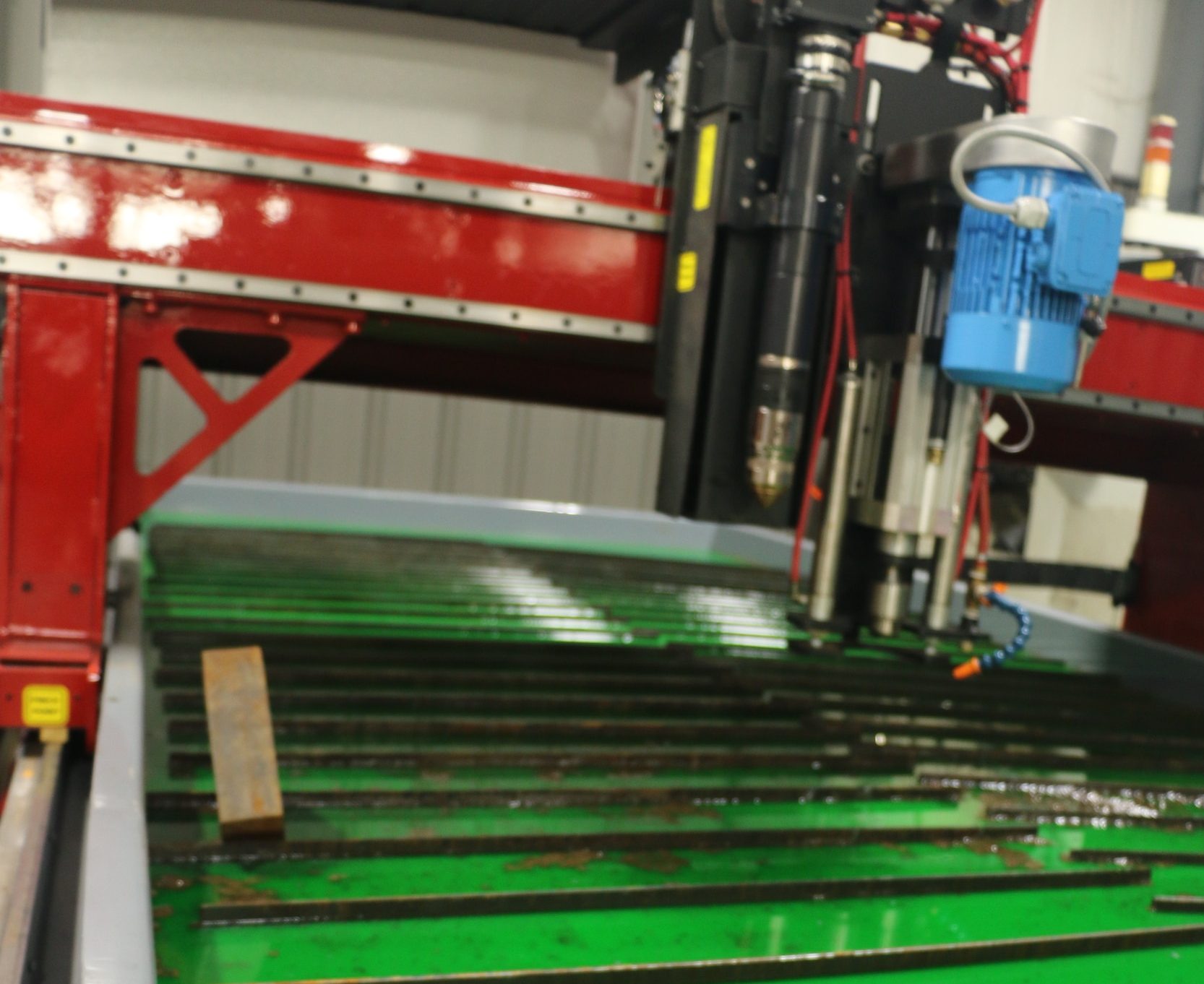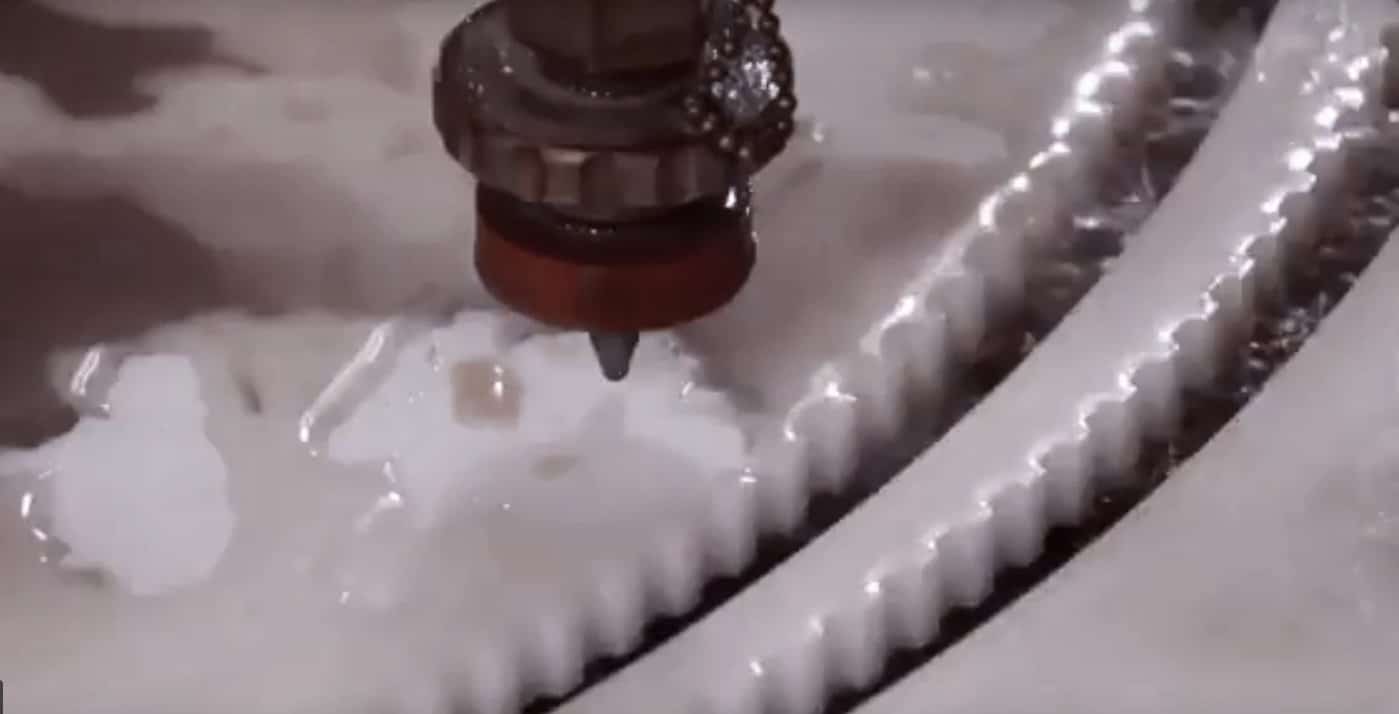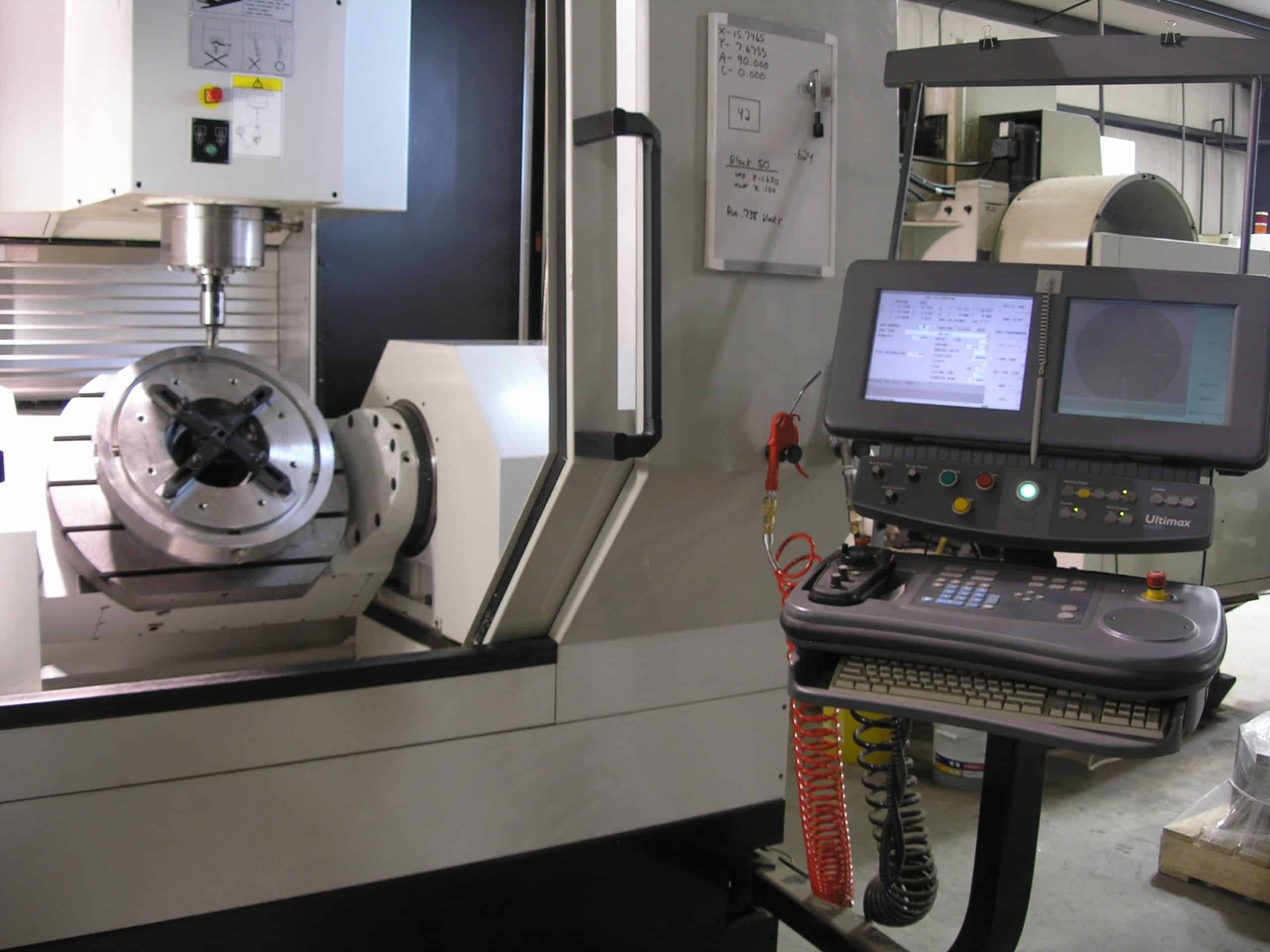
Fiber laser cutting machines have transformed modern manufacturing, offering an unmatched combination of precision, speed, and efficiency. Whether you’re cutting thin sheet metal or complex industrial components, fiber lasers deliver clean edges, tight tolerances, and consistent quality. But what exactly can a fiber laser cutting machine cut?
In this guide, Lindsay Machine Works breaks down the most common materials fiber lasers handle — and where this technology performs best.
Why Fiber Lasers Are So Versatile
Unlike CO₂ laser cutters, fiber lasers generate a highly concentrated beam that travels through a flexible optical fiber. This makes them extremely efficient at cutting metals, especially reflective ones. Their precision and energy density allow them to handle a wide range of industrial materials with minimal heat distortion and excellent edge quality.
Materials Suitable for Fiber Laser Cutting
Stainless Steel
Fiber lasers excel at cutting stainless steel, producing smooth, burr-free edges ideal for food equipment, medical components, and industrial fabrication.
Benefits:
-
High precision
-
Clean edges
-
Minimal finishing required
Carbon Steel / Mild Steel
One of the most common materials used with fiber lasers, carbon steel cuts quickly and efficiently.
Why it’s ideal:
-
Works well with oxygen or nitrogen assist gas
-
Suitable for both thin and thick plate applications
Aluminum
Aluminum’s reflectivity once posed challenges, but fiber lasers handle it extremely well.
Advantages:
-
High cutting speed
-
Excellent for automotive, aerospace, and custom fabrication
-
Produces smooth, accurate cuts
Copper
Copper reflects traditional lasers, but fiber lasers can cut it effectively thanks to their shorter wavelength and higher absorption rates.
Common uses: electrical components, HVAC parts, and precision hardware.
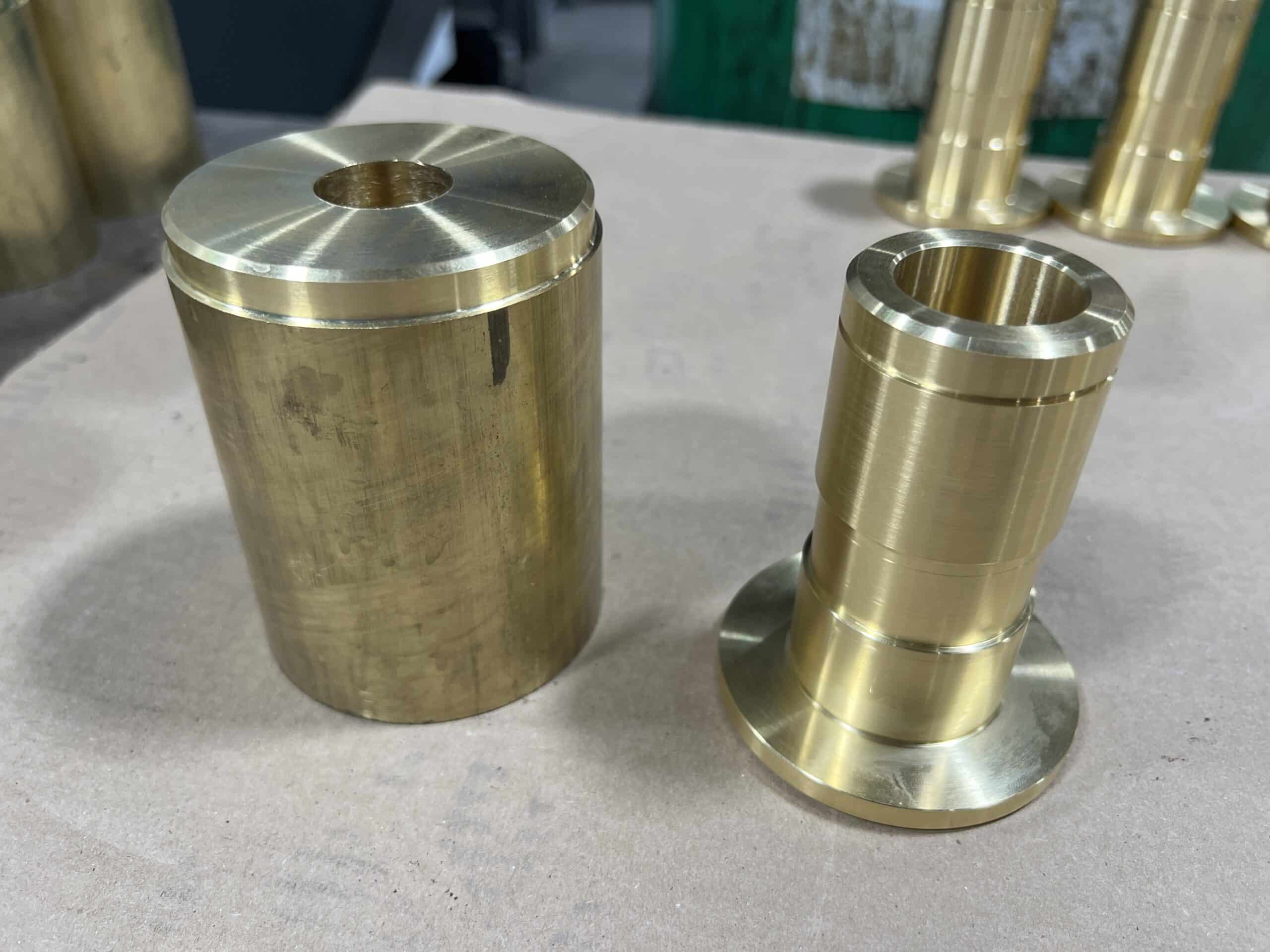
Brass
Brass is another reflective metal suited for fiber laser processing.
Benefits include:
-
Clean edges
-
Accurate geometry
-
Ideal for decorative pieces, machinery parts, and signage
Titanium
Strong, lightweight, and heat-resistant, titanium is widely used in aerospace and medical manufacturing.
Fiber lasers provide:
-
Narrow kerf width
-
High-quality edges
-
Minimal heat-affected zone
Galvanized Steel
Fiber lasers can cut galvanized steel cleanly without burning through the zinc coating when parameters are set correctly.
Perfect for: HVAC ducting, structural components, and sheet-metal fabrication.
Alloy Steels & High-Strength Metals
Fiber lasers handle complex alloys used in automotive, oil & gas, and industrial machinery.
Advantages:
-
Consistent, repeatable precision
-
Suitable for production-level workflows
Materials Not Ideal for Fiber Laser Cutting
While fiber lasers are powerful, they are not suitable for every material:
-
Wood – May burn or char
-
PVC & certain plastics – Produce toxic fumes
-
Glass or acrylic – Better suited for CO₂ laser machines
-
Highly heat-sensitive composites – Risk of delamination
Fiber lasers are designed primarily for metals, and that’s where they deliver industry-leading performance.
Why Industries Choose Fiber Laser Cutting
Businesses across multiple industries prefer fiber laser cutting because it offers:
-
High accuracy and repeatability
-
Fast cutting speeds
-
Low maintenance compared to CO₂ lasers
-
Ability to cut reflective materials
-
Superior energy efficiency
From prototyping to full-scale production, fiber laser cutting supports a wide variety of parts and applications.
Conclusion
A fiber laser cutting machine can handle an impressive range of metals, from stainless steel and aluminum to titanium and brass. This versatility — combined with speed, precision, and reliability — is why fiber laser technology has become the standard for modern metal fabrication.
At Lindsay Machine Works, our advanced laser cutting capabilities ensure clean, accurate results no matter the project. Whether you need custom parts, precision cuts, or short to medium-run production, our team is here to help.